
Are you a cabbage enthusiast residing in Washington state? Well, look no further, as we are here to guide you through the best time to plant this beloved leafy green in the Evergreen State. Known for its lush landscapes and temperate climate, Washington presents a unique set of conditions for gardening. Whether you are a seasoned gardener or just starting out, understanding the optimal time to sow cabbage in Wisconsin can make all the difference in ensuring a bountiful harvest.
In this article, we will delve into the factors that influence the ideal planting window, taking into account the region’s climate, soil conditions, and the specific cabbage varieties that thrive in Washington. Get ready to dive into the world of cabbage gardening and prepare to cultivate a thriving crop that will have your neighbors green with envy!
Best cabbage varieties to grow in Washington
Some good varieties of cabbage that grow well in Washington state include:
- Copenhagen Market: This variety produces medium-sized, round heads with a smooth texture. It is known for its excellent flavor and good storage qualities.
- Early Jersey Wakefield: This early maturing variety has pointed, conical heads. It is a popular choice for cool climates like Washington and is known for its sweet, tender leaves.
- Red Express: This red cabbage variety is a favorite among gardeners in Washington. It produces vibrant, deep purple heads that are packed with antioxidants. It has a sweet flavor and is great for salads and coleslaw.
- Golden Acre: This variety is known for its compact, round heads and tender leaves. It has a mild flavor and is a good choice for gardeners who prefer smaller-sized cabbages.
- Savoy Cabbage: Savoy cabbage is known for its crinkled leaves and milder flavor compared to other cabbage varieties. It is a versatile variety that can be used in various dishes and is well-suited to the Washington climate.
It’s important to note that cabbage is a cool-season crop, so it is best to plant it in early spring or late summer for a fall harvest. Additionally, proper soil preparation and regular watering are key to successful cabbage cultivation in Washington.
When to plant Cabbage in Washington
In the United States, hardiness zones are used to determine the best time to plant various plants and crops. These zones are based on the average annual minimum temperature and help gardeners understand which plants are likely to thrive in their specific region.
Washington State is divided into different hardiness zones, ranging from Zone 5b to Zone 9a. The western part of the state, including cities like Seattle, falls into Zones 7b and 8a, while the eastern part, including Spokane, is primarily in Zones 5b and 6a.
When it comes to planting cabbage in Washington, it’s important to consider the specific hardiness zone you are in. Cabbage is a cool-season crop that prefers cooler temperatures and can tolerate light frosts. It is best to plant cabbage in early spring for a summer harvest or in late summer for a fall harvest.
In Zones 7b and 8a (western Washington), the ideal time to plant cabbage is in early spring, around March or April. This allows the cabbage plants to establish themselves before the warmer summer temperatures arrive. For a fall harvest, you can also consider planting cabbage in late summer, around August or early September.
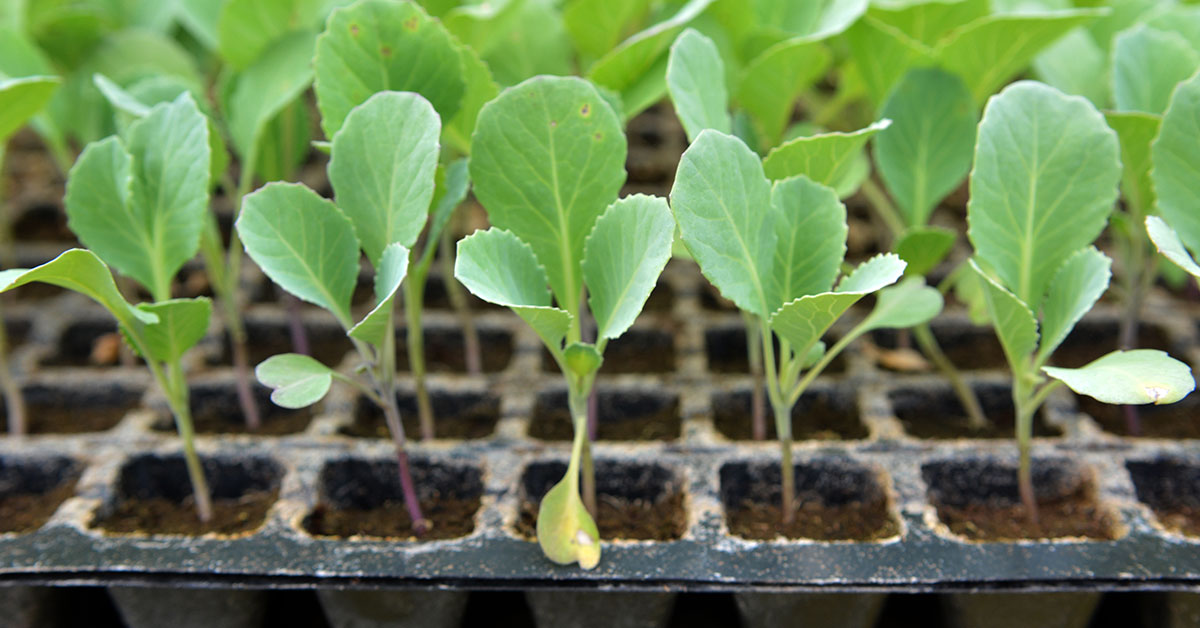
In Zones 5b and 6a (eastern Washington), where temperatures can be colder, it is advisable to start cabbage plants indoors 4-6 weeks before the last expected frost date. This allows the young plants to grow and become sturdier before transplanting them outdoors. The last expected frost date for these zones is typically around mid-April to early May, so you can transplant the cabbage seedlings outside around that time.
Regardless of your hardiness zone, cabbage requires well-drained soil, full sun, and regular watering to thrive. It is also beneficial to provide some shade during hot summer days to prevent the cabbage heads from bolting or becoming bitter.
Always keep in mind that these planting times are general guidelines, and local weather conditions can vary from year to year. It’s a good practice to observe your local weather patterns and consult with experienced gardeners or local agricultural extension services for more specific planting recommendations in your area.
When to harvest Cabbage in Washington
The optimal time to harvest cabbage in Washington depends on the variety and the desired size of the cabbage head. Generally, cabbage takes around 70 to 90 days to mature from the time of planting. In Washington, where the climate is generally cool and mild, cabbage is typically planted in early spring or late summer for a fall harvest.
For spring-planted cabbage, you can start harvesting when the heads are firm and have reached the desired size. This is usually around 60 to 90 days after planting, depending on the variety. Pay attention to the size and shape of the heads, as well as the color of the outer leaves. The heads should be solid, dense, and have a good weight to them.
For fall-planted cabbage, you can start harvesting when the heads are fully formed and firm. This is typically around 70 to 90 days after planting. Fall cabbage can tolerate colder temperatures and even some light frost, which can enhance the flavor. However, make sure to harvest before hard freezes occur to avoid damage to the heads.
In general, it’s best to monitor your cabbage plants closely and harvest when the heads are mature but still crisp and tight. Overly mature cabbage may become tough or develop a bitter taste. Harvesting in the morning, when the temperatures are cooler, can help preserve the quality of the cabbage.
Other considerations
When growing cabbage in Washington, there are several important considerations to keep in mind:
- Climate: Washington has a diverse climate, with different regions experiencing variations in temperature, rainfall, and sunlight. It is crucial to choose cabbage varieties that are suitable for your specific microclimate.
- Planting time: Cabbage is a cool-season crop and can tolerate mild frost. It is recommended to start cabbage seeds indoors around 6-8 weeks before the last expected frost date. Transplant the seedlings outside once the soil temperature reaches around 45°F (7°C).
- Soil: Cabbage prefers well-draining soil that is rich in organic matter. Amend the soil with compost or well-rotted manure before planting to improve fertility and drainage. Aim for a pH level between 6.0 and 7.5.
- Watering: Cabbage requires consistent moisture but does not tolerate excessive waterlogging. Water the plants deeply, ensuring that the soil stays consistently moist but not waterlogged. Avoid overhead watering, as it can increase the risk of fungal diseases.
- Fertilization: Cabbage is a heavy feeder and requires regular fertilization. Prior to planting, incorporate a balanced organic fertilizer into the soil. Additionally, side-dress the plants with a nitrogen-rich fertilizer every few weeks during the growing season.
- Pest and disease management: Cabbage is prone to various pests and diseases, such as cabbage worms, aphids, slugs, and clubroot. Monitor the plants regularly and take appropriate action if any issues arise. Consider using organic pest control methods, such as handpicking insects or applying neem oil.
- Crop rotation: Avoid planting cabbage in the same spot for consecutive years to minimize the risk of soil-borne diseases. Rotate cabbage with other crops from the brassica family or unrelated plant families.
- Harvesting: Harvest cabbage when the heads are firm and compact, typically when they reach their full size. Cut the heads off at the base, leaving a few outer leaves intact to help preserve the quality of the cabbage.
By considering these factors, you can increase your chances of successfully growing cabbage in Washington.