
Welcome to the world of gardening in Vermont! If you’re considering planting cabbage in your garden, you’ve come to the right place. Cabbage is a hardy and versatile vegetable that thrives in the cool climates of Vermont. However, timing is crucial when it comes to planting cabbage to ensure a successful harvest. In this article, we will delve into the best time to plant cabbage in Vermont, considering factors such as the region’s climate, frost dates, and ideal growing conditions.
Whether you’re a seasoned gardener or just starting your green thumb journey, this guide will provide you with all the information you need to grow healthy and hearty cabbage plants in the beautiful state of Vermont. So let’s dig in and discover the perfect timing for planting cabbage!
Best cabbage varieties to grow in Vermont
There are several good varieties of cabbage that grow well in Vermont’s climate. Here are a few popular options:
- ‘Early Jersey Wakefield’: This is a classic early-season cabbage variety known for its cone-shaped, pointed heads. It matures quickly and is resistant to cold temperatures.
- ‘Stonehead’: This variety produces medium-sized, dense heads that are resistant to splitting. It is suitable for both early and late season planting.
- ‘Red Express’: If you prefer red cabbage, ‘Red Express’ is a great choice. It has a compact growth habit, matures early, and produces vibrant, deep red heads.
- ‘January King’: This is a versatile cabbage variety that can be harvested in both the fall and winter seasons. It has beautiful blue-green leaves and produces large, firm heads.
- ‘Golden Acre’: If you prefer a smaller cabbage variety, ‘Golden Acre’ is a good option. It forms tight, round heads that are perfect for small gardens or container growing.
Remember to consider your specific gardening conditions, such as sunlight, soil type, and available space, when choosing cabbage varieties. It’s also a good idea to consult with your local garden center or agricultural extension office for recommendations tailored to your area.
When to plant Cabbage in Vermont
In Vermont, the state’s hardiness zones generally range from zone 3b in the northern regions to zone 5b in the southern areas. These hardiness zones are determined based on the average minimum winter temperatures experienced in each region. It is crucial to consider these zones when planning your gardening activities, as they provide valuable information about the suitability of different plant species in different areas.
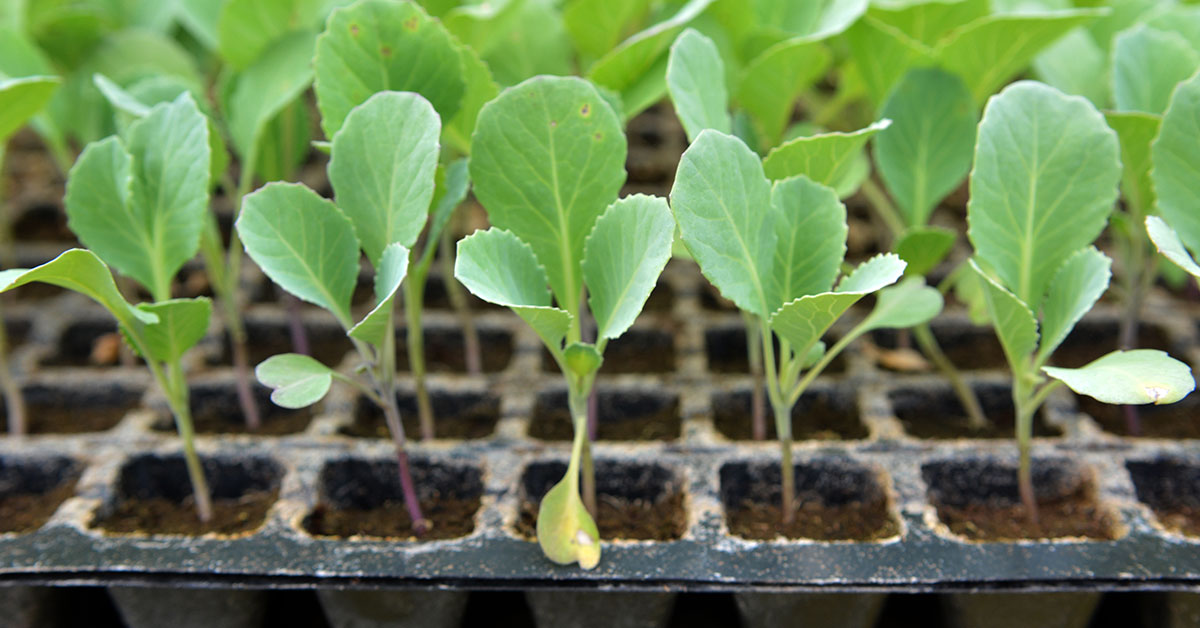
As for planting cabbage in Vermont, it is considered a cool-season crop that thrives in cooler temperatures. The best time to plant cabbage in Vermont is during the spring or fall seasons. For spring planting, it is recommended to start cabbage seeds indoors 6 to 8 weeks before the last expected frost date. This allows the seedlings to develop and be ready for transplanting when the weather conditions are suitable.
In Vermont, the last expected frost date can vary depending on your specific location within the state and the microclimate of your garden. On average, the last frost date falls between late April and early to mid-May. It is always advisable to consult with your local agricultural extension office or use online resources to determine the specific frost dates for your area.
When transplanting cabbage seedlings, it is important to ensure that the soil has warmed up sufficiently and is workable. Cabbage plants prefer well-drained soil enriched with organic matter and a pH level between 6.0 and 7.5. The seedlings should be spaced about 12-18 inches apart in rows, with rows spaced approximately 2 feet apart.
For fall planting, cabbage can be sown directly in the garden around mid-July to early August, depending on the desired harvest time. This allows the plants to mature in cooler temperatures and potentially avoid the higher temperatures of late summer.
To extend the cabbage growing season, you can also consider using row covers or cold frames to protect the plants from frost or cold temperatures in both spring and fall. These protective measures can provide a longer harvest period and help ensure successful cabbage cultivation.
Remember to monitor your cabbage plants for pests and diseases, as these can affect their growth and overall health. Regular watering, proper spacing, and adequate nutrition are also essential for healthy cabbage growth.
By following these guidelines and considering the specific hardiness zone and frost dates in Vermont, you can optimize your cabbage planting schedule and increase the chances of a successful harvest.
When to harvest Cabbage in Vermont
The optimal time to harvest cabbage in Vermont typically falls in the late summer or early fall, usually around August to October. The exact timing may vary depending on the specific variety of cabbage you are growing, as well as the weather conditions during the growing season. It is best to monitor the cabbage plants closely and look for signs of maturity such as firm heads and vibrant coloration. Additionally, if you notice the outer leaves starting to yellow or if the heads begin to crack, it is a good indication that the cabbage is ready for harvest.
Other considerations
When growing cabbage in Vermont, there are several additional considerations to keep in mind:
- Temperature: Cabbage is a cool-season crop, so it prefers temperatures between 60-65°F (15-18°C). Vermont’s climate can be challenging due to its short growing season and fluctuating temperatures. It is important to choose cabbage varieties that are suitable for cooler climates and consider using row covers or cold frames to extend the growing season.
- Soil: Cabbage prefers well-draining soil with a pH level between 6.0-7.5. Vermont soils tend to be acidic, so it may be necessary to amend the soil with lime to raise the pH. Adding organic matter, such as compost or well-rotted manure, can also help improve soil fertility and drainage.
- Watering: Cabbage requires consistent moisture to develop properly, but it is important not to overwater, as it can lead to diseases such as damping off or root rot. Aim for about 1 inch of water per week, either through rainfall or irrigation. Mulching around the plants can help retain moisture and prevent weed growth.
- Pest and disease management: Cabbage is susceptible to various pests and diseases, including cabbage worms, aphids, flea beetles, and clubroot. Regular monitoring and early intervention are crucial. Consider using organic insecticides or natural pest control methods such as row covers, companion planting (e.g., planting marigolds to deter pests), or handpicking insects. Crop rotation is also important to prevent the buildup of diseases in the soil.
- Timing: Start cabbage seeds indoors 4-6 weeks before the last frost date in Vermont, which is typically around mid to late May. Transplant the seedlings outdoors once the soil has warmed up and the danger of frost has passed. Additionally, consider planting a fall crop of cabbage in late summer to take advantage of the cooler temperatures.
- Spacing and fertilization: Cabbage plants require adequate spacing for proper airflow and to prevent diseases. Space transplants about 18-24 inches apart in rows that are 2-3 feet apart. Fertilize the plants with a balanced organic fertilizer or compost before planting, and side-dress with additional fertilizer during the growing season to ensure healthy growth.
By considering these factors and providing the necessary care, you can successfully grow cabbage in Vermont’s challenging climate.