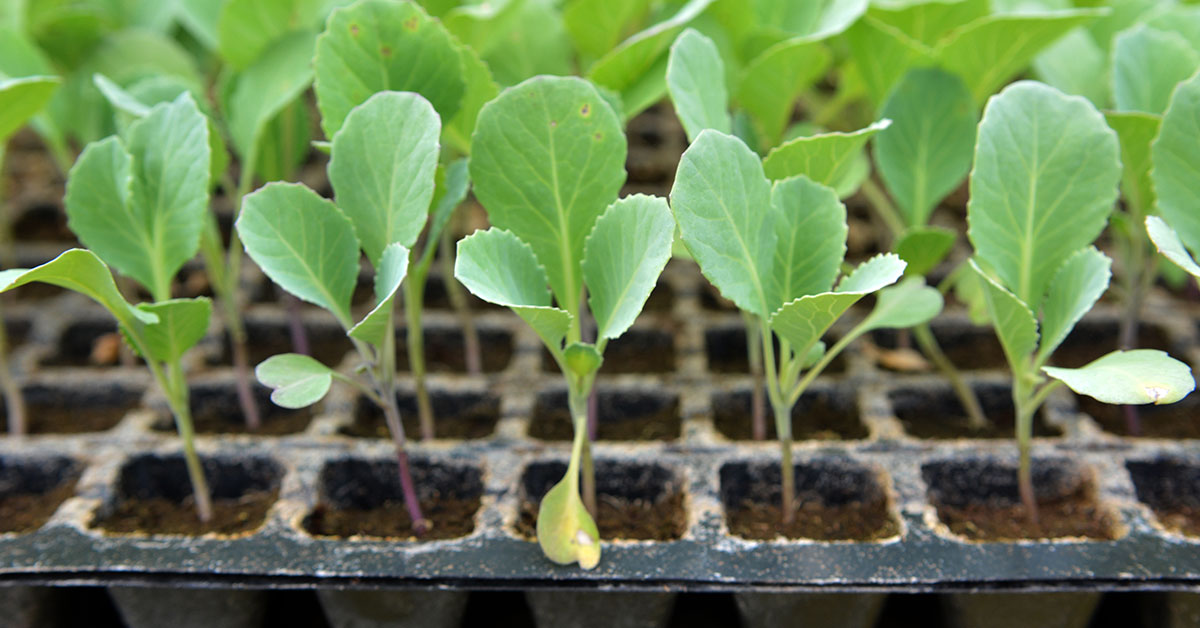

Welcome to the world of gardening in the Lone Star State! If you’re a cabbage enthusiast or simply looking to add some leafy greens to your garden, you’ve come to the right place. Texas, with its diverse climates and varying growing conditions, presents unique challenges when it comes to planting cabbage. The key to success lies in understanding the best time to plant cabbage in Texas.
In this article, we will delve into the optimal planting windows, taking into consideration the different regions of Texas and the specific requirements of cabbage. Whether you’re a seasoned gardener or a beginner, by the end of this article, you’ll have all the knowledge you need to grow robust and thriving cabbage in your Texas garden. So let’s roll up our sleeves and get started!
Best cabbage varieties to grow in Texas
In Texas, some good varieties of cabbage that thrive well in the climate are:
- Early Jersey Wakefield: This variety is known for its early maturation and compact size, making it a great choice for smaller gardens. It has a pointed head with tender, sweet leaves.
- Copenhagen Market: This variety produces medium-sized, round heads with a crisp texture and mild flavor. It is a reliable choice and does well in both hot and cold weather.
- Red Express: If you prefer red cabbage, Red Express is a great option. It has vibrant red-purple leaves and a sweet, slightly peppery taste. It is also known to be disease-resistant.
- Stonehead: Stonehead cabbage is a compact variety that forms dense, round heads. It is quite heat-tolerant and has a mild flavor. It is a good choice for Texas gardens.
- Savoy King: Savoy King is a crinkled-leaf variety that is known for its tender leaves and excellent flavor. It has a beautiful texture and is great for coleslaw or stir-frying.
When selecting cabbage varieties for your Texas garden, it’s important to consider the specific microclimates in your area, as well as the time of year you plan to plant. Also, keep in mind that cabbage generally prefers cool weather, so it’s best to plant them during the cooler months or provide some shade during hot summers.
When to plant Cabbage in Texas
Texas is a vast state with diverse climates and landscapes, making it essential to consider the state’s hardiness zones when planning your garden. The United States Department of Agriculture (USDA) has divided Texas into nine different hardiness zones, ranging from Zone 6 in the Panhandle to Zone 9 along the southern coast. These zones are based on average annual minimum temperatures and serve as a guide for gardeners to determine which plants are likely to thrive in their region.
When it comes to planting cabbage in Texas, it is important to take into account the specific hardiness zone you reside in. Generally, cabbage is a cool-season crop that prefers temperatures between 45-75°F (7-24°C). It can tolerate light frosts but may suffer in extreme cold or hot weather.
The best time to plant cabbage in Texas depends on your specific hardiness zone. Here are some general guidelines:
- Zones 6-7: In the Panhandle and northern regions of Texas, where winters can be harsh, it is advisable to start cabbage seeds indoors around mid-January and transplant the seedlings into the garden in early to mid-March. Alternatively, you can directly sow cabbage seeds in the garden in late February to early March.
- Zones 8-9: In central and southern Texas, where winters are milder, you can start cabbage seeds indoors in late January to early February and transplant the seedlings into the garden in mid to late February. Directly sowing seeds in the garden can also be done during this time.
It is important to note that these time frames may vary depending on the specific microclimates within your region, so it is always helpful to consult with local gardening resources, such as extension offices or experienced gardeners in your area, for more precise planting advice.
When planting cabbage, choose a location that receives at least 6 hours of sunlight per day and has well-draining soil. Cabbage plants require regular watering to keep the soil consistently moist but not waterlogged. Mulching around the plants can help retain moisture and control weeds.
By considering your hardiness zone and planting cabbage at the appropriate time, you give your plants the best chance of thriving and producing a bountiful harvest. Happy gardening!
When to harvest Cabbage in Texas
The optimal time to harvest cabbage in Texas is typically in the late fall or early winter, around 60-90 days after transplanting. This timing allows the cabbage heads to fully develop and reach their peak flavor and texture. Keep in mind that cabbage can tolerate some frost, which can actually enhance the flavor, but it’s best to harvest before the temperatures drop below freezing. Additionally, monitor the size and firmness of the cabbage heads to determine if they are ready for harvest.
Other considerations
When growing cabbage in Texas, there are several other considerations to keep in mind:
- Heat tolerance: Cabbage is a cool-season crop and can be challenging to grow in the intense Texas heat. Look for heat-tolerant varieties or consider planting in the fall or early spring when temperatures are cooler.
- Soil preparation: Cabbage prefers well-drained soil with a pH between 6.0 and 7.5. Amend the soil with organic matter like compost or aged manure to improve its fertility and drainage.
- Watering: Cabbage requires consistent moisture to grow properly. Irrigate regularly, providing about 1 to 1.5 inches of water per week. Avoid overwatering, as it can lead to diseases like rot or mildew.
- Pest management: Keep an eye out for common cabbage pests like aphids, caterpillars, and flea beetles. Use organic pest control methods like handpicking, row covers, or insecticidal soaps to manage infestations.
- Disease prevention: Cabbage is susceptible to diseases like black rot, clubroot, and downy mildew. Rotate crops regularly, practice good sanitation, and choose disease-resistant varieties to minimize the risk of infection.
- Fertilization: Cabbage is a heavy feeder and requires sufficient nutrients to grow. Apply a balanced fertilizer before planting and side-dress with nitrogen-rich fertilizers throughout the growing season.
- Sun exposure: Cabbage needs at least 6 hours of direct sunlight per day to thrive. Ensure that your planting location receives adequate sunlight for optimal growth.
- Plant spacing: Adequate spacing between cabbage plants allows for good air circulation, reducing the risk of disease. Follow the recommended spacing guidelines for the specific cabbage variety you are growing.
- Harvesting: Harvest cabbage heads when they are firm and solid. Cut the heads from the plant leaving a few outer leaves to protect the inner leaves. If the heads split, harvest them immediately to prevent rot.
By considering these factors, you can increase the chances of successfully growing cabbage in Texas.