
Welcome to the world of gardening in Pennsylvania! If you’re considering growing cabbage in your garden, timing is key to ensure a successful harvest. Planting cabbage in Pennsylvania requires a deep understanding of the state’s climate zones and final frost dates.
In this article, we will explore the best time to plant cabbage in Pennsylvania, taking into account the state’s climate and growing season. From early spring to late summer, we will discuss the ideal planting dates, key considerations, and helpful tips to maximize your cabbage yield. So, whether you’re a seasoned gardener or a beginner, get ready to learn the perfect timing for planting cabbage in the beautiful state of Pennsylvania.
Best varieties of cabbage to grow in Pennsylvania
In Pennsylvania, there are several varieties of cabbage that thrive in the climate and soil conditions. Here are some recommended varieties:
- Early Jersey Wakefield: This is a popular early-season variety known for its cone-shaped, compact heads. It matures quickly and has a sweet, mild flavor.
- Stonehead: Stonehead cabbage produces round, medium-sized heads that are solid and dense. It is a disease-resistant variety and can tolerate colder temperatures.
- Red Express: If you’re looking for a red cabbage variety, Red Express is an excellent choice. It has deep purple-red heads that are crisp and flavorful.
- Copenhagen Market: Copenhagen Market is a mid-season variety that produces large, round heads. It has a mild flavor and is suitable for both fresh consumption and storage.
- Savoy Perfection: Savoy cabbage is known for its crinkled, dark green leaves. Savoy Perfection is a reliable variety that has a delicate flavor and is ideal for steaming or stir-frying.
- Golden Acre: Golden Acre is a compact, early-season cabbage that forms small to medium-sized heads. It has a sweet taste and is perfect for small gardens or container gardening.
Remember to consider your specific growing conditions, such as sunlight exposure and soil type, when selecting cabbage varieties. Additionally, it’s always a good idea to consult with local nurseries or agricultural extension offices for recommendations tailored to your specific region in Pennsylvania.
When to plant Cabbage in Pennsylvania
Pennsylvania is located in USDA hardiness zones 5a to 7b. These zones are determined based on the average annual minimum temperature of a region, which helps gardeners understand which plants are likely to thrive in their area.
When it comes to planting cabbage in Pennsylvania, the best time to do so depends on whether you are starting from seeds or transplants.
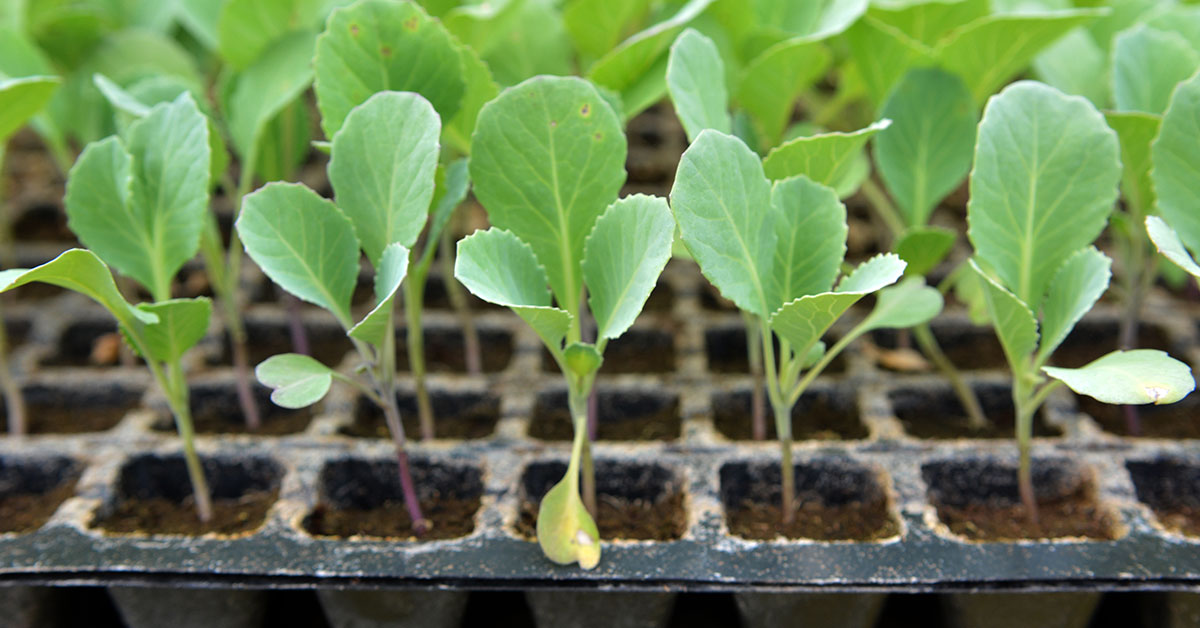
If you are starting from seeds, it is recommended to start them indoors around 6-8 weeks before the last expected frost date. In Pennsylvania, the last frost date typically falls between late April and early May, varying slightly depending on the specific region. Therefore, you can calculate the best time for indoor seeding by counting back from the last frost date.
For example, if the last frost date in your area is around May 1st, you would want to start your cabbage seeds indoors around mid-February to early March. This allows the seedlings to grow and develop before being transplanted outdoors.
If you prefer to directly sow cabbage seeds into the ground, you can do so once the soil temperature reaches around 45°F (7°C). In Pennsylvania, this usually occurs in early to mid-April, but you should monitor your local weather and soil conditions to determine the suitable time for planting.
On the other hand, if you are using transplants, you can typically set them out in the garden about 2-3 weeks before the last expected frost date. Using the same example, you would transplant your cabbage seedlings outdoors around mid-April.
It’s worth noting that cabbage is a cool-season crop and can tolerate some frost. In fact, cooler temperatures can enhance the flavor and quality of the cabbage heads. However, extreme cold or frost can damage or kill the young plants, so it’s crucial to consider the local weather conditions and protect your seedlings if necessary.
By following these general guidelines, you can ensure a successful cabbage planting in Pennsylvania and enjoy a bountiful harvest.
When to harvest Cabbage in Pennsylvania
The optimal time to harvest cabbage in Pennsylvania depends on the specific variety you are growing. However, in general, cabbage is ready to harvest when the heads have reached their desired size and are firm to the touch. This typically occurs around 70-90 days after planting, but it can vary depending on the weather and growing conditions.
In Pennsylvania, cabbage is typically planted in late spring or early summer, so you can expect to harvest it in late summer or early fall. It’s important to keep an eye on the development of the heads and check them regularly for maturity. To harvest, simply cut the cabbage head at the base of the plant, using a sharp knife or garden shears.
Additionally, if you want to harvest smaller heads called “baby cabbage,” you can do so earlier when the heads are still loose and haven’t fully formed. This can be done around 50-60 days after planting.
Remember to consider the specific variety you are growing and refer to the seed packet or plant tag for more accurate information on the optimal harvest time for that particular cabbage variety.
Other considerations
When growing cabbage in Pennsylvania, there are several other considerations to keep in mind to ensure successful growth:
- Soil: Cabbage prefers well-drained soil that is rich in organic matter. Before planting, amend the soil with compost or well-rotted manure to improve fertility and drainage.
- Sunlight: Cabbage requires full sunlight for optimal growth. Select a location in your garden that receives at least 6-8 hours of direct sunlight per day.
- Temperature: Cabbage is a cool-season crop and can tolerate light frosts. Start seeds indoors or plant transplants in early spring, around 4-6 weeks before the last expected frost date. Alternatively, you can plant a fall crop by starting seeds in mid-summer.
- Watering: Cabbage needs consistent moisture to develop properly. Keep the soil consistently moist but not waterlogged. Mulching around the plants can help retain soil moisture and suppress weeds.
- Fertilization: Cabbage is a heavy feeder and requires regular fertilization. Prior to planting, incorporate a balanced organic fertilizer into the soil. Side-dress the plants with nitrogen-rich fertilizer once they reach about half their final size.
- Pest and Disease Control: Cabbage is susceptible to various pests and diseases, such as cabbage worms, aphids, and clubroot. Implement preventive measures like crop rotation, using row covers, and practicing good garden hygiene to minimize these issues. If necessary, use organic pest control methods or consult with your local agricultural extension for guidance.
- Harvesting: Cabbage heads are ready to harvest when they reach the desired size and feel firm to the touch. Cut the head at the base, leaving a few outer leaves intact. If you notice any signs of disease or pest damage, remove affected leaves or plants promptly.
By considering these factors and providing the necessary care, you can enjoy a productive cabbage harvest in Pennsylvania.