
Are you an avid gardener in Oklahoma looking to grow your own delicious and nutritious cabbage? Planting cabbage in Oklahoma requires a deep understanding of the state’s climate zones and final frost dates.
In this comprehensive guide, we will discuss the best time to plant cabbage in the Sooner State, taking into consideration the climate, soil conditions, and other important factors specific to this region.
Whether you’re a seasoned gardener or a beginner, understanding the optimal planting times for cabbage will help ensure a productive and successful harvest. So, grab your gardening tools, and let’s dive into the world of cabbage planting in Oklahoma!
Best varieties of cabbage to grow in Oklahoma
In Oklahoma, there are several varieties of cabbage that perform well in the region’s climate. Here are some recommended varieties:
- Early Jersey Wakefield: This variety matures quickly and produces small, conical-shaped heads. It is resistant to cold temperatures and can be harvested in early spring or fall.
- Copenhagen Market: This cabbage variety is known for its round, solid heads. It has a good tolerance to heat and is resistant to splitting, making it suitable for Oklahoma’s hot summers.
- Ruby Perfection: If you prefer red cabbage, Ruby Perfection is a great choice. It has deep red-purple leaves and produces medium-sized, dense heads. It is also resistant to diseases and performs well in Oklahoma’s climate.
- Stonehead: This variety is known for its compact, round heads that are perfect for small gardens. It is a good option for early spring planting and has good disease resistance.
- Bravo: Bravo cabbage is a hybrid variety that produces large, firm heads. It has good heat tolerance and can withstand Oklahoma’s fluctuating temperatures. It is also resistant to cracking and splitting.
Remember to consider your specific gardening conditions, such as soil type and sunlight availability, when choosing cabbage varieties. Additionally, always follow the recommended planting and care instructions for each variety to maximize your chances of success.
When to plant Cabbage in Oklahoma
In Oklahoma, the hardiness zones range from Zone 6a in the northwestern parts of the state to Zone 8a in the southeastern regions. These zones are determined by the average minimum winter temperatures and help gardeners select plants that can withstand the cold.
When it comes to planting cabbage in Oklahoma, it is important to consider the best time to start sowing seeds or transplanting seedlings. Cabbage is a cool-season crop that thrives in cooler temperatures, making it suitable for both spring and fall planting.
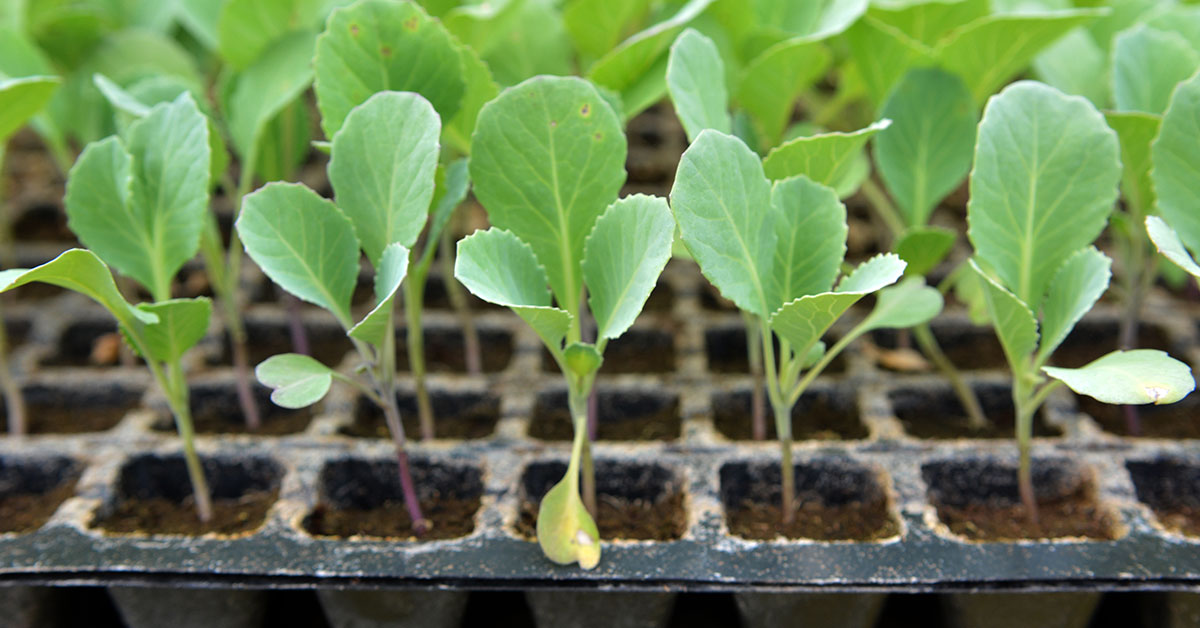
For spring planting, it is recommended to start seeds indoors around 6-8 weeks before the last expected frost date. In Oklahoma, the last frost dates vary across the state, ranging from early March in the southern parts to mid-April in the northern regions. Thus, for most areas, starting cabbage seeds indoors in early to mid-February would be ideal.
Once the seedlings have developed a few true leaves and the danger of frost has passed, usually around late March to early April, they can be transplanted into the garden. Cabbage plants should be spaced around 12-24 inches apart, depending on the variety, to allow them to grow and form heads properly.
In terms of fall planting, it is recommended to start cabbage seeds indoors around mid-June to early July. This allows the seedlings to establish and grow during the warmer months before the cooler temperatures arrive. Transplanting the seedlings into the garden can be done around mid-July to early August, depending on the variety and expected maturity time.
To ensure successful cabbage growth, it is crucial to provide plants with well-drained soil, ample sunlight, and consistent moisture. Cabbage plants prefer full sun but can tolerate partial shade. Additionally, regular watering and adequate fertilization will promote healthy growth and help prevent common cabbage pests and diseases.
By following these guidelines and considering the specific hardiness zone and planting times in Oklahoma, you can enjoy a bountiful cabbage harvest in your garden.
When to harvest Cabbage in Oklahoma
The optimal time to harvest cabbage in Oklahoma is typically in late spring or early summer, around 70-90 days after planting. The exact timing can vary based on the specific variety of cabbage you are growing, as some types may mature faster than others. It is important to monitor the cabbage plants closely to determine when they are ready for harvest. Signs that cabbage is ready to be harvested include a firm and solid head, which should feel dense when squeezed gently. Additionally, the outer leaves may start to loosen and turn yellow. Harvesting should be done before the cabbage starts to split or bolt, as this can affect the flavor and quality of the crop.
Other considerations
When growing cabbage in Oklahoma, there are several additional considerations to take into account:
- Soil preparation: Cabbage requires well-draining soil with a pH between 6.0 and 7.5. Before planting, amend the soil with organic matter such as compost or aged manure to improve its fertility and drainage.
- Temperature and season: Cabbage is a cool-season crop that prefers temperatures between 60°F and 70°F. In Oklahoma, it is best to start cabbage seeds indoors in early spring or late summer for a fall harvest. Avoid planting during the hot summer months.
- Sun exposure: Cabbage needs at least six hours of full sun daily. Choose a location in your garden that receives adequate sunlight throughout the day.
- Watering: Cabbage requires consistent moisture to grow properly. Water deeply and regularly, ensuring the soil remains consistently moist but not waterlogged. Mulching around the plants can help retain moisture and prevent weeds.
- Pest control: Common cabbage pests in Oklahoma include cabbage loopers, aphids, and cabbage worms. Monitor your plants regularly and take necessary measures like using organic insecticides or implementing physical barriers to protect against these pests.
- Disease prevention: Cabbage is susceptible to diseases such as clubroot, black rot, and powdery mildew. To minimize the risk of disease, practice crop rotation, maintain proper spacing between plants for air circulation, and avoid overhead watering.
- Fertilization: Cabbage is a heavy feeder and requires regular fertilization. Prior to planting, incorporate a balanced fertilizer into the soil. Additionally, side-dress with nitrogen-rich fertilizer during the growing season to promote healthy growth.
- Harvesting: Harvest cabbage heads when they reach maturity and have a firm texture. Cut the heads at the base, leaving a few outer leaves intact. For a continuous harvest, remove the largest outer leaves while leaving the central head intact.
By considering these factors, you can increase your chances of successful cabbage cultivation in Oklahoma.