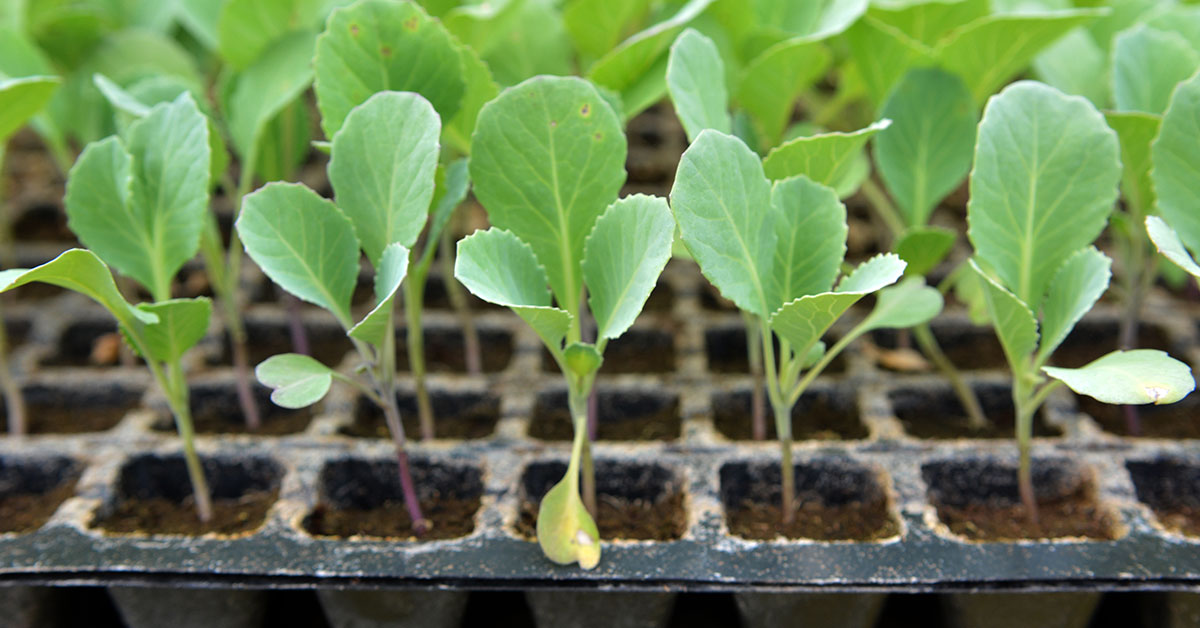

Welcome to the world of gardening in New Zealand, where the lush landscapes and temperate climate create the perfect conditions for a wide variety of plants to thrive. If you’re a cabbage enthusiast or simply looking to add this nutritious vegetable to your garden, you’ve come to the right place. In this article, we will delve into the optimal time to plant cabbage in New Zealand, taking into account the diverse regions and climates across the country.
Whether you’re a seasoned gardener or just starting out, understanding the ideal planting times will ensure a successful cabbage harvest and a bountiful addition to your dinner table. So, grab your gardening tools and let’s explore the best times to sow cabbage seeds or transplant seedlings in the Land of the Long White Cloud.
Best varieties of Cabbage to grow in New Zealand
In New Zealand, there are several varieties of cabbage that grow well in our climate. Here are a few popular choices:
- Drumhead Cabbage: This variety produces large, round heads with crisp, sweet-tasting leaves. It is a reliable and versatile cabbage that grows well in most regions of New Zealand.
- Savoy Cabbage: Savoy cabbage has crinkled, dark green leaves and a mild flavor. It is known for its excellent texture and is often used in salads, stir-fries, or steamed dishes. It grows well in cooler regions of New Zealand.
- Red Cabbage: Red cabbage is a colorful variety with deep purple leaves. It adds a vibrant touch to salads and coleslaw. It requires a longer growing season and does best in warmer regions of New Zealand.
- Chinese Cabbage (Wong Bok): Chinese cabbage is a popular choice for stir-fries and Asian-inspired dishes. It has long, cylindrical heads with tender, sweet leaves. It grows well in most regions of New Zealand.
- Spring Cabbage: Spring cabbage is a fast-growing variety that is perfect for early-season planting. It produces small to medium-sized heads with tender leaves. It is best suited for regions with milder winters.
When choosing cabbage varieties, consider your local climate, growing season, and personal preferences. It’s also important to provide them with fertile soil, regular watering, and protection from pests to ensure successful growth.
When to plant Cabbage in New Zealand
The best time to plant cabbage in New Zealand is during the cooler months, typically from late summer to early autumn (February to April) or early spring (September to October). Cabbage prefers cooler temperatures and can tolerate light frosts, so planting during these times will allow the plants to establish and grow before the heat of summer or the harsh winter conditions. It’s important to note that specific planting times may vary slightly depending on your location within New Zealand, so it’s always a good idea to check with your local gardening resources or consult with a nearby nursery for more precise timing.
When to harvest Cabbage in New Zealand
Cabbage can be harvested in New Zealand during the late spring, summer, and early autumn months. The exact timing will depend on the specific variety of cabbage you are growing and the region you are in.
For early varieties, you can start harvesting cabbage heads when they reach a suitable size, usually around 60-90 days after transplanting. This can be as early as November or December in warmer regions, or later in cooler areas.
Mid-season and late-season varieties can be harvested from late summer through autumn, typically around 90-120 days after transplanting. This can be from January to May, again depending on your region and the specific variety.
To determine if the cabbage is ready for harvest, check the size and firmness of the head. The head should be firm and solid, with the outer leaves tightly wrapped around it. If the head feels loose or starts to crack, it may be overripe.
It’s important to monitor your cabbage plants regularly and harvest them promptly when they are ready to ensure the best flavor and texture.
Other considerations
When growing cabbage in New Zealand, there are several important considerations to keep in mind:
- Climate: Cabbage prefers cool weather and can tolerate light frosts. In New Zealand, it is best to grow cabbage during the cooler months, such as autumn and spring, to avoid extreme heat or cold.
- Soil: Cabbage thrives in well-draining, fertile soil with a pH level between 6.0 and 7.5. Prior to planting, amend the soil with organic matter, such as compost or well-rotted manure, to improve its fertility and structure.
- Sunlight: Cabbage requires full sun exposure for at least 6-8 hours a day. Ensure that the planting area receives adequate sunlight to promote healthy growth and development.
- Watering: Cabbage needs consistent moisture to grow properly. Water the plants deeply, providing around 1-1.5 inches of water per week. Avoid overwatering, as it can lead to root rot and other fungal diseases.
- Mulching: Applying a layer of organic mulch around the base of cabbage plants can help retain soil moisture, suppress weed growth, and regulate soil temperature. Use straw, grass clippings, or compost as mulch.
- Fertilization: Cabbage is a heavy feeder and benefits from regular fertilization. Prior to planting, incorporate a balanced organic fertilizer into the soil. Additionally, side-dress the plants with nitrogen-rich fertilizer every 3-4 weeks during the growing season.
- Pest and disease control: Cabbage is susceptible to various pests and diseases, including cabbage worms, aphids, slugs, and clubroot. Monitor the plants regularly and take appropriate measures, such as handpicking pests or using organic pest control methods, to prevent infestations. Rotate cabbage crops every year to minimize the risk of diseases like clubroot.
- Companion planting: Consider planting cabbage alongside companion plants that can help deter pests or enhance growth. Good companion plants for cabbage include herbs like dill, thyme, and rosemary, as well as aromatic flowers like marigolds.
- Harvesting: Harvest cabbage heads when they reach the desired size and firmness. Cut the heads off at the base, leaving a few outer leaves intact to protect the inner leaves. Store harvested cabbage in a cool, dark place or use it immediately.
By considering these factors, you can increase your chances of successfully growing cabbage in New Zealand.