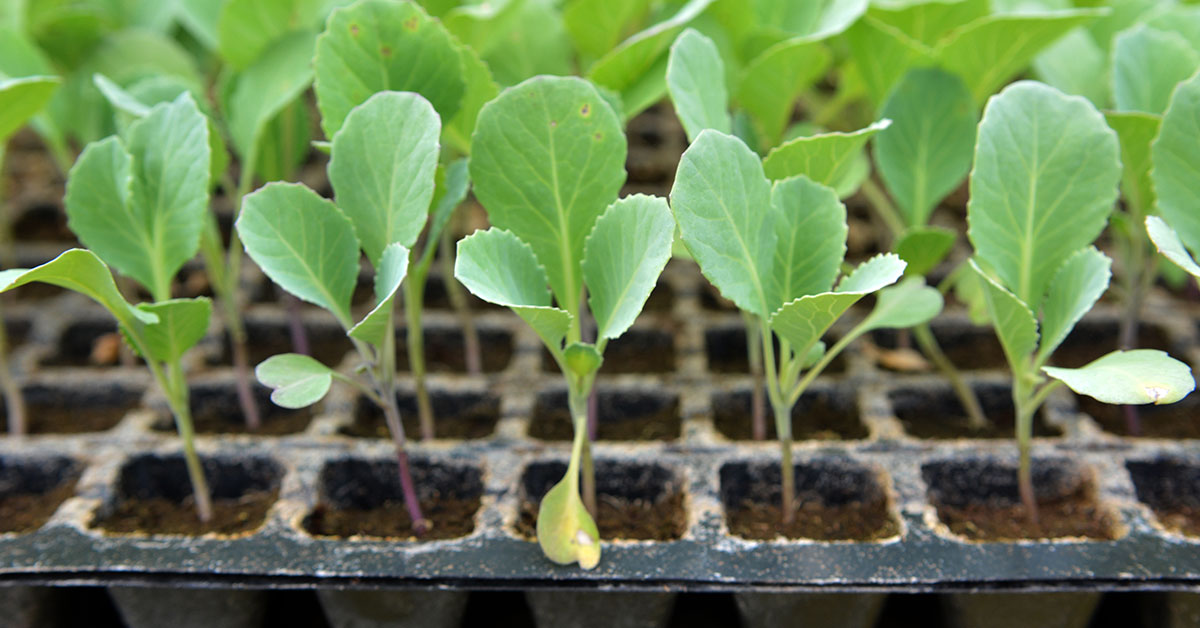

Welcome to the world of gardening in New Mexico! If you’re wondering about the best time to plant cabbage in this beautiful southwestern state, you’ve come to the right place. Cabbage, with its crisp leaves and versatility in the kitchen, can be a great addition to your garden. Planting cabbage in New Mexico requires a deep understanding of the state’s climate zones and final frost dates.
The climate in New Mexico can be challenging, with its hot summers and unpredictable winters. In this article, we will guide you through the optimal timing for planting cabbage, taking into consideration both the weather patterns and the specific requirements of this cool-season crop.
So, whether you’re a seasoned gardener or a beginner, get ready to learn all you need to know about when and how to plant cabbage in New Mexico.
Best varieties of cabbage to grow in New Mexico
In New Mexico, there are several varieties of cabbage that perform well in the region’s climate and growing conditions. Here are a few recommended varieties:
- ‘Early Jersey Wakefield’: This variety is known for its early maturity, making it suitable for short growing seasons. It produces small to medium-sized heads with a conical shape and tender, sweet-flavored leaves.
- ‘Gonzalez’: This variety is well-adapted to New Mexico’s hot and dry climate. It forms medium to large-sized heads with a flattened shape. ‘Gonzalez’ cabbage is known for its excellent flavor and good disease resistance.
- ‘Red Express’: If you prefer red cabbage, ‘Red Express’ is a suitable choice for New Mexico gardeners. It produces compact, round heads with vibrant red-purple leaves. This variety is also known for its resistance to bolting.
- ‘Golden Acre’: This variety is a popular choice for cabbage growers, including those in New Mexico. It forms tight, small to medium-sized heads with pale green leaves. ‘Golden Acre’ cabbage is valued for its sweet flavor and tenderness.
- ‘January King’: If you are looking for a cabbage variety that can withstand cold temperatures, ‘January King’ is an excellent option. It produces large, oval-shaped heads with crinkled leaves that range from green to purple. This variety is known for its excellent flavor and storage capabilities.
Remember to consider your specific growing conditions, such as the length of your growing season and any potential pest or disease issues, when selecting cabbage varieties.
When to plant Cabbage in New Mexico
In New Mexico, the state’s hardiness zones range from 4b to 9a. These zones are determined based on the average minimum winter temperatures experienced in different regions. It is important to know your specific hardiness zone as it directly impacts the success of your gardening endeavors.
When it comes to planting cabbage in New Mexico, the best time to start depends on the specific zone you are in. Here are some guidelines based on the different zones:
- Zones 4b to 6a: These regions experience colder winters, and the best time to plant cabbage is in early spring, typically around March or April. It is recommended to start seeds indoors or in a greenhouse and then transplant them outdoors once the soil has warmed up and the threat of frost has passed.
- Zones 6b to 7b: These areas have milder winters, and cabbage can be planted both in spring and fall. For spring planting, start seeds indoors or in a greenhouse around February or March and transplant outdoors in April. For fall planting, start seeds indoors around June or July and transplant outdoors in August.
- Zones 8a to 9a: These regions have mild winters, and cabbage can be grown almost year-round with proper care. For spring planting, start seeds indoors or in a greenhouse around February and transplant outdoors in March. For fall planting, start seeds indoors around August and transplant outdoors in September.
In all zones, it is important to ensure that the soil is well-drained, fertile, and enriched with organic matter. Cabbage prefers full sun but can tolerate some shade. Regular watering and the application of organic fertilizers will help promote healthy growth and yield.
Additionally, keep in mind that these are general guidelines, and local weather conditions and microclimates can vary. It is always beneficial to consult with local gardening experts, extension offices, or fellow gardeners who have experience in your specific area for more precise advice.
When to harvest Cabbage in New Mexico
The optimal time to harvest cabbage in New Mexico is typically in the late summer or early fall. Cabbage is a cool-season crop and it thrives in temperatures between 60-70°F (15-21°C). In New Mexico, this temperature range is usually achieved in the months of September and October. However, it’s important to keep an eye on the specific variety of cabbage you are growing as different varieties have different maturation times. Check the seed packet or consult with your local nursery for more precise information on when to harvest your particular variety of cabbage.
Other considerations
When growing cabbage in New Mexico, there are a few additional considerations to keep in mind:
- Soil: Cabbage prefers well-drained soil with a pH level between 6.0 and 7.5. New Mexico soil tends to be alkaline, so it may be necessary to amend the soil with organic matter or sulfur to lower the pH. Adding compost or aged manure before planting can also improve soil fertility.
- Watering: Cabbage requires consistent moisture to grow properly. In New Mexico’s dry climate, it is important to provide regular irrigation to keep the soil evenly moist. Consider using drip irrigation or soaker hoses to deliver water directly to the plant roots and minimize evaporation.
- Sunlight: Cabbage plants thrive in full sun, which typically means at least 6 hours of direct sunlight per day. Ensure that your cabbage bed receives adequate sunlight to promote healthy growth and prevent diseases.
- Temperature and Season: Cabbage is a cool-season crop that prefers temperatures between 45°F and 75°F. In New Mexico, you can start planting cabbage in early spring, as soon as the soil can be worked. Alternatively, you can also plant cabbage in late summer for a fall harvest. Consider using row covers or shade cloth to protect young plants from extreme heat.
- Pest and Disease Management: Cabbage is susceptible to various pests and diseases, including cabbage worms, aphids, and clubroot. Monitor your plants regularly and take appropriate measures to control pests, such as handpicking or using organic insecticides. Practice crop rotation to reduce the risk of disease buildup in the soil.
- Mulching: Applying a layer of organic mulch, such as straw or wood chips, around cabbage plants can help conserve soil moisture, suppress weed growth, and regulate soil temperature. Mulching also helps prevent cabbage heads from resting directly on the soil, reducing the risk of rot.
- Harvesting: Cabbage heads are ready for harvest when they reach the desired size and are firm to the touch. Harvesting can typically begin around 70 to 90 days after transplanting, depending on the cabbage variety. Cut the head from the stem at the base, leaving a few outer leaves intact for protection.
By considering these factors, you can increase your chances of successfully growing cabbage in New Mexico’s unique climate.