
If you’re a cabbage aficionado or a Nebraska gardener looking to grow your own crisp and leafy green vegetables, timing is everything. Planting cabbage in Nebraska requires a deep understanding of the state’s climate zones and final frost dates.
Cabbage is a cool-season crop that thrives in moderate temperatures, making it an ideal choice for the Cornhusker State’s climate. With its high nutritional value and versatility in the kitchen, cabbage has become a staple in many households.
In this article, we will delve into the specific factors to consider when determining the optimal planting time for cabbage in Nebraska, including temperature ranges, frost dates, and the importance of soil conditions. Whether you’re a seasoned gardener or a beginner, this guide will equip you with the knowledge you need for a bountiful cabbage harvest.
Best varieties of cabbage to grow in Nebraska
Some good varieties of cabbage that grow well in Nebraska include:
- Copenhagen Market: This variety is known for its early maturity, compact size, and round heads. It has a good flavor and is resistant to splitting.
- Golden Acre: This variety produces small to medium-sized heads that are round and solid. It has a mild flavor and is a popular choice for coleslaw.
- Early Jersey Wakefield: This variety is an early maturing cabbage with pointed heads. It has a sweet and tender flavor and is resistant to cold temperatures.
- Premium Late Flat Dutch: This variety is a late-season cabbage that produces large, flat heads. It has a mild and sweet flavor and is excellent for cooking or making sauerkraut.
- Red Express: This variety produces small to medium-sized red heads that are great for adding color to salads or coleslaw. It has a mild and sweet flavor.
Remember to consider your specific growing conditions, such as soil type and sun exposure, when selecting cabbage varieties for your garden in Nebraska.
When to plant Cabbage in Nebraska
Nebraska, like any other state, is divided into different hardiness zones based on its climate and average winter temperatures. The hardiness zones help gardeners determine which plants are most likely to thrive in their area and survive the winter. In Nebraska, the hardiness zones range from 4a to 6b.
Cabbage is a cool-season vegetable that prefers moderate temperatures and can tolerate a light frost. It is generally a hardy plant that can withstand a range of temperatures. In Nebraska, cabbage can be planted in both the spring and fall seasons.
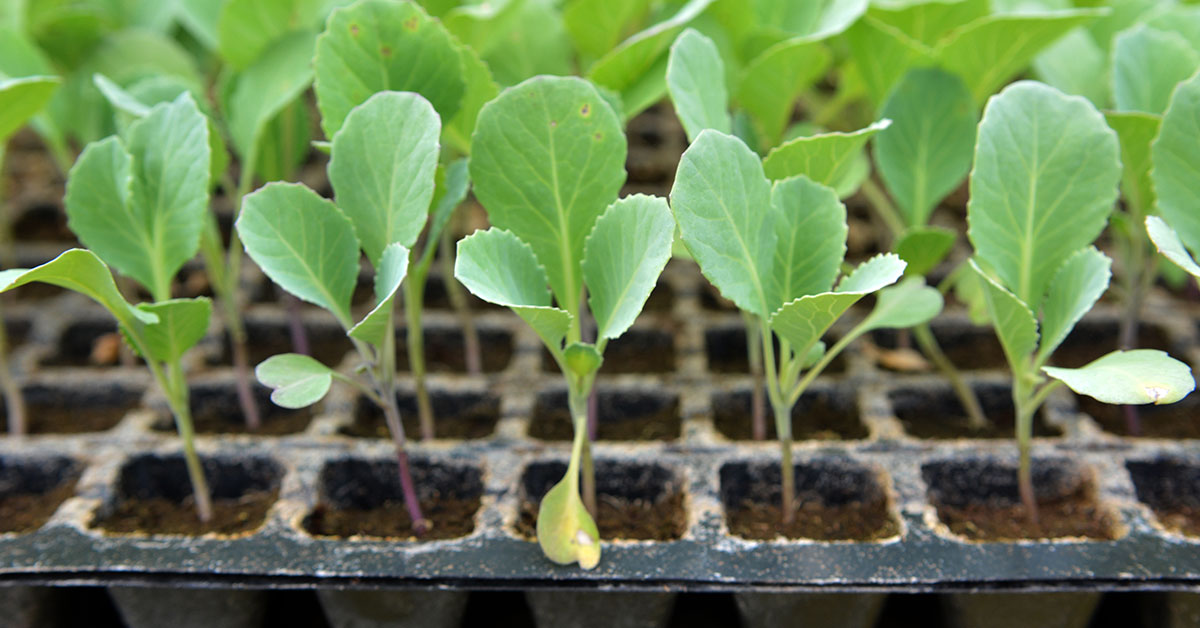
For spring planting, it is recommended to start cabbage seeds indoors about 6 to 8 weeks before the last expected frost date. The last frost date in Nebraska varies depending on the specific zone, but typically falls between mid-April to early May in most parts of the state. Once the seedlings are established and the weather has warmed up, usually around mid to late May, they can be transplanted outdoors.
Fall planting of cabbage in Nebraska is usually done in mid to late summer, around mid-July to early August. This allows the plants enough time to grow before the first fall frost. The first frost date again varies depending on the hardiness zone, but it generally occurs in late September to early October in most parts of Nebraska.
When planting cabbage, it is important to choose a sunny location with well-draining soil. Cabbage requires consistent moisture, so regular watering is crucial, especially during dry periods. Additionally, cabbage plants benefit from a layer of organic mulch around their base to help retain moisture and prevent weed growth.
By following these guidelines and considering the specific hardiness zone in Nebraska, gardeners can determine the best time to plant cabbage and increase the chances of a successful harvest.
When to harvest Cabbage in Nebraska
The optimal time to harvest cabbage in Nebraska is typically in the late summer or early fall, depending on the specific variety and growing conditions. Cabbage is a cool-season crop, so it is important to time the harvest before the first hard frost of the season. Generally, cabbage is ready for harvest when the heads feel firm and have reached their desired size, usually around 6-8 inches in diameter. You can also check the outer leaves for color and texture, as they should be tightly wrapped and have a vibrant green color. It’s best to monitor the cabbage plants closely and harvest them promptly once they are mature, as they can quickly deteriorate if left in the garden for too long.
Other considerations
When growing cabbage in Nebraska, there are a few additional considerations to keep in mind:
- Timing: Cabbage is a cool-season crop, so it is important to plant it in early spring or late summer to avoid extreme heat. In Nebraska, you can start seeds indoors 6-8 weeks before the last spring frost or directly sow seeds in the garden around mid to late summer.
- Soil: Cabbage prefers well-draining soil that is rich in organic matter. Before planting, amend the soil with compost or well-rotted manure to improve its fertility and drainage. A soil pH between 6.0 and 7.5 is ideal for cabbage.
- Watering: Cabbage plants require consistent moisture to develop properly. Water deeply and regularly, aiming for about 1 inch of water per week. Be careful not to overwater, as this can lead to disease issues. Mulching around the plants can help retain moisture and suppress weeds.
- Fertilization: Cabbage is a heavy feeder and requires regular fertilization. Prior to planting, incorporate a balanced fertilizer into the soil. You can also side-dress the plants with a nitrogen-rich fertilizer once they are established, about 3-4 weeks after transplanting or when they reach the size of a tennis ball.
- Pest and disease management: Cabbage is susceptible to various pests and diseases, such as cabbage worms, aphids, and clubroot. Monitor your plants regularly for any signs of infestation or disease and take appropriate measures, such as handpicking pests or using organic insecticides. Rotate cabbage crops annually to prevent the buildup of diseases in the soil.
- Row covers: Using row covers can protect young cabbage plants from pests like cabbage moths and flea beetles. Install the covers at the time of planting and remove them once the plants start to form heads.
- Harvesting: Cabbage is ready for harvest when the head feels firm and reaches its full size. Cut the head off at the base, leaving a few outer leaves intact. If you notice any signs of splitting or pests, it is best to harvest the cabbage early to avoid further damage.
By considering these factors, you can increase your chances of successfully growing cabbage in Nebraska. Happy gardening!