
Are you a cabbage lover who resides in the beautiful state of Montana? Well, we have good news for you! In this comprehensive article, we will guide you through the optimal time to plant cabbage in Montana. Planting cabbage in Montana requires a deep understanding of the state’s climate zones and final frost dates.
Montana’s unique climate and growing conditions present both challenges and opportunities for cabbage cultivation. By following our expert advice, you will be equipped with the knowledge to maximize your cabbage yields and enjoy a bountiful harvest in the Treasure State. So, let’s dive in and explore the best time to plant cabbage in Montana!
Best varieties of cabbage to grow in Montana
In Montana, the climate can be challenging for growing cabbage due to its short growing season and cool temperatures. However, there are a few cabbage varieties that tend to perform well in this region:
- Early Jersey Wakefield: This is a fast-maturing cabbage variety that can be harvested in about 60-70 days. It is known for its pointed, cone-shaped heads and excellent flavor. It can tolerate cooler temperatures and is a good choice for early spring or fall planting.
- Copenhagen Market: This cabbage variety is popular for its compact size and ability to withstand colder temperatures. It produces small to medium-sized heads that are tender and flavorful. It matures in about 70-80 days.
- Golden Acre: This variety is an heirloom cabbage that is well-suited for cooler climates. It produces compact, round heads that are dense and mild-tasting. Golden Acre cabbage matures in approximately 70-80 days.
- Red Express: If you prefer red cabbage, Red Express is a good choice for Montana. It has an early maturity of about 65-75 days and produces small to medium-sized heads. It has excellent flavor and vibrant red color.
When growing cabbage in Montana, it is advisable to start seeds indoors or use transplants to get a head start on the growing season. Additionally, providing the plants with adequate moisture, fertilization, and protection from pests can help ensure a successful crop.
When to plant Cabbage in Montana
Montana is a state located in the northern region of the United States, and its climate is known for its cold winters and relatively short growing season. The state is divided into several hardiness zones, which help gardeners determine which plants can survive and thrive in their specific area.
Montana’s hardiness zones range from Zone 3a to Zone 6b. Zone 3a is the coldest zone, experiencing average minimum temperatures between -40°F and -35°F (-40°C to -37°C). Zone 6b, on the other hand, is the mildest zone, with average minimum temperatures ranging from -5°F to 0°F (-21°C to -18°C).
Considering the cold climate and short growing season in Montana, it is essential to choose cold-hardy plants that can withstand frost and thrive in cooler temperatures. Cabbage is a great vegetable to grow in Montana, as it is quite tolerant of cold weather and can be planted early in the spring or late in the summer for a fall harvest.
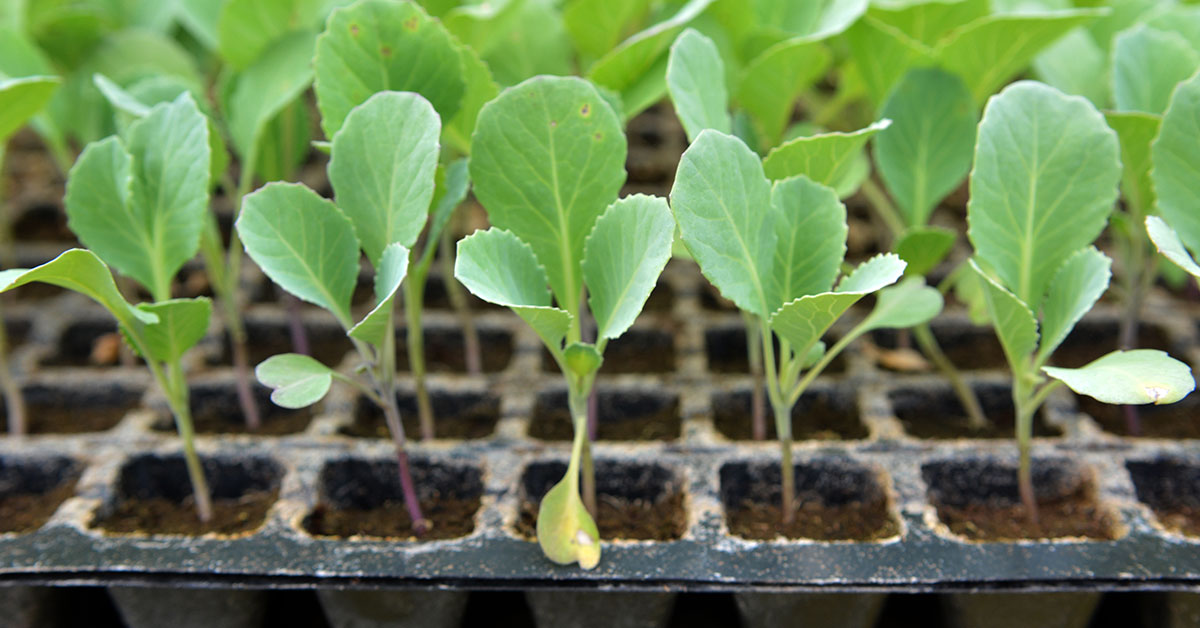
For spring planting, it is recommended to start cabbage seeds indoors, about 6-8 weeks before the last expected frost date for your specific area. In Montana, the last expected frost dates vary depending on the region. In general, the last frost dates range from mid-May for the southern parts of the state to early June for the northern parts.
Once the seedlings are about 4-6 weeks old and the soil temperature has warmed up to around 45°F (7°C), they can be transplanted outdoors. Cabbage plants prefer cool temperatures, ideally between 60°F and 70°F (15°C to 21°C), and they require full sun exposure to thrive.
If you missed the opportunity for a spring planting, you can also plant cabbage in late summer for a fall harvest. Late July to early August is usually a good time to start cabbage seeds indoors for fall planting. Transplant the seedlings into the garden around late August or early September, making sure they have enough time to reach maturity before the first frost.
In conclusion, the best time to plant cabbage in Montana depends on the specific region and the last expected frost date. For spring planting, start cabbage seeds indoors 6-8 weeks before the last frost date, which typically falls between mid-May and early June. For a fall harvest, start seeds indoors in late July or early August and transplant them outdoors in late August or early September. Remember to choose cold-hardy varieties and provide the necessary care to ensure a successful cabbage harvest in Montana’s challenging climate.
When to harvest Cabbage in Montana
The optimal time to harvest cabbage in Montana will depend on the specific variety of cabbage you are growing and the weather conditions in your area. However, as a general guideline, cabbage is usually ready to harvest when the heads are firm and solid. This typically occurs around 70-90 days after transplanting, or 90-120 days after sowing seeds, depending on the variety.
In Montana, where the climate can be cooler, it is advisable to plant cabbage early in the season, ensuring it has enough time to mature before the first frost. Typically, this means starting seeds indoors 6-8 weeks before the last expected frost date or transplanting seedlings outdoors in early spring.
To determine if your cabbage is ready for harvest, check the size and firmness of the heads. The heads should be fully formed, dense, and tightly closed. If the heads start to crack or split, it’s a sign that they are overripe and should be harvested immediately.
Remember to harvest cabbage in the morning when the heads are still cool and the moisture content is higher. This helps to preserve their quality and flavor. Use a sharp knife to cut the cabbage heads just above the soil level, ensuring not to damage the surrounding leaves.
Lastly, it’s important to monitor the weather forecast as the growing season progresses. If there is an early frost warning, it’s best to harvest all mature cabbage heads before the frost hits to prevent damage.
Other considerations
When growing cabbage in Montana, there are several other considerations to keep in mind:
- Hardiness: Montana has a cold climate, so it’s important to choose cabbage varieties that are suitable for colder temperatures. Look for varieties that have a higher cold tolerance and shorter growing seasons.
- Timing: Cabbage is a cool-season crop and can tolerate light frosts, but it’s important to time your planting properly. Start seeds indoors 6-8 weeks before the last expected frost date, and transplant seedlings outdoors once the soil has warmed up and the threat of frost has passed.
- Soil preparation: Cabbage prefers well-drained, fertile soil with a pH level between 6.0 and 7.5. Amend your soil with organic matter, such as compost or well-rotted manure, before planting to improve its fertility and drainage.
- Sun exposure: Cabbage requires full sun to grow and develop properly. Ensure that your planting area receives at least 6-8 hours of direct sunlight per day.
- Watering: Cabbage plants need consistent moisture to grow well. Water deeply at least once a week, providing approximately 1-1.5 inches of water. Avoid over-watering, as it can lead to disease issues.
- Mulching: Apply a layer of organic mulch around the cabbage plants to conserve moisture, suppress weed growth, and maintain a more stable soil temperature. This is particularly important in Montana’s fluctuating climate.
- Pest and disease control: Cabbage is susceptible to various pests and diseases, such as cabbage worms, aphids, flea beetles, and clubroot. Monitor your plants regularly for signs of infestation or disease and take appropriate measures, such as using organic insecticides or implementing companion planting strategies.
- Crop rotation: To minimize the risk of diseases and pests, practice crop rotation by avoiding planting cabbage or other brassicas in the same area for at least three years.
- Harvesting: Harvest cabbage heads when they reach the desired size and firmness. Typically, this occurs around 70-90 days after transplanting. Cut the heads at the base of the plant using a sharp knife.
By considering these factors, you can increase your chances of successful cabbage cultivation in Montana.