
Welcome to the world of gardening in Missouri! If you are a cabbage lover or simply want to add this nutritious and versatile vegetable to your garden, you may be wondering when is the best time to plant cabbage in the Show Me State. Planting cabbage in Missouri requires a deep understanding of the state’s climate zones and final frost dates.
In this article, we will explore the ideal planting time for cabbage, taking into account the state’s climate, soil conditions, and other factors that can affect the success of your cabbage crop. Whether you are a seasoned gardener or a novice, by following our expert advice, you will be well on your way to growing healthy and delicious cabbage in your Missouri garden.
Best varieties of cabbage to grow in Missouri
In Missouri, there are several varieties of cabbage that perform well in the local climate. Here are a few recommended varieties:
- Early Jersey Wakefield: This is a popular heirloom variety that matures quickly and produces small to medium-sized heads. It has a sweet and tender taste.
- Copenhagen Market: This variety is known for its compact growth habit, making it suitable for small gardens. It produces medium-sized, round heads that are both flavorful and crisp.
- Red Express: If you prefer red cabbage, Red Express is a good choice. It forms small to medium-sized heads with deep purple-red color. It has a slightly milder flavor compared to green cabbage.
- Stonehead: Stonehead cabbage is a reliable variety that forms dense, round heads. It has a mild flavor and is resistant to splitting, making it a great option for home gardeners.
- Golden Acre: This variety produces compact, round heads that are ideal for small gardens. It has a tender texture and a sweet taste.
When selecting cabbage varieties, consider factors such as maturity dates, disease resistance, and your personal taste preferences. It’s also a good idea to consult with local nurseries or agricultural extension offices for specific recommendations based on your exact location in Missouri.
When to plant Cabbage in Missouri
Missouri has a diverse climate with varying hardiness zones. The state is divided into three primary hardiness zones: Zone 5 in the northern parts, Zone 6 in the central areas, and Zone 7 in the southern regions. These zones provide valuable information about the average minimum winter temperatures and help gardeners determine the suitability of different plants.
When it comes to planting cabbage in Missouri, it is important to consider the specific hardiness zone you reside in. Cabbage is a cool-season vegetable that thrives in cooler temperatures and can tolerate some frost. It is generally recommended to plant cabbage in Missouri during the spring or fall, depending on your hardiness zone.
In the northern parts of Missouri (Zone 5), the best time to plant cabbage is in early spring, around mid-March to early April. This allows the cabbage to mature before the arrival of hot summer temperatures. However, it is essential to monitor the weather and protect the young plants from late spring frosts.
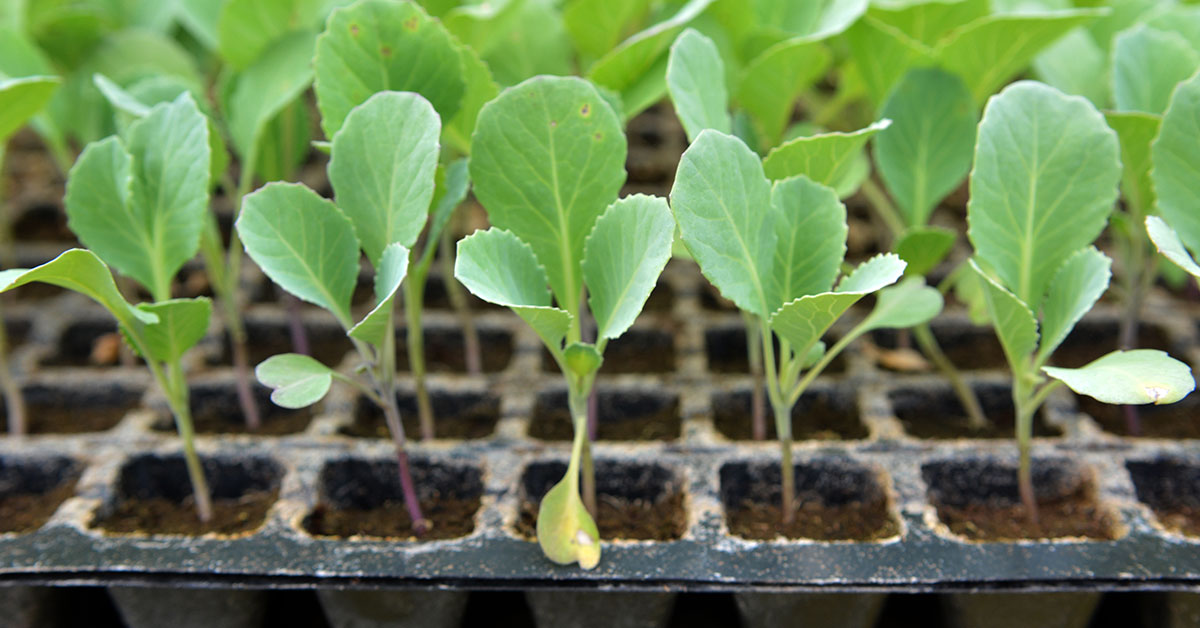
In the central areas (Zone 6), cabbage can be planted both in spring and fall. For spring planting, it is advisable to start seeds indoors 4-6 weeks before the last expected frost date, which usually falls around mid-March to mid-April. Transplant the seedlings outdoors around mid-April to early May when the risk of frost has passed. For fall planting, start seeds indoors around mid-June to early July and transplant the seedlings outdoors in late July or early August.
In the southern regions of Missouri (Zone 7), cabbage can be successfully grown in both spring and fall. For spring planting, start seeds indoors around mid-February to early March and transplant outdoors in mid-March to early April. For fall planting, start seeds indoors around mid-July and transplant outdoors in late July or early August.
Regardless of the planting season, cabbage prefers well-drained soil with plenty of organic matter. It requires full sun to part shade and consistent moisture throughout its growth. Adequate spacing between plants is crucial to allow for proper air circulation and prevent diseases.
By following these guidelines and considering your specific hardiness zone, you can ensure successful cabbage cultivation in Missouri. Remember to adjust planting dates based on local weather conditions and always consult regional gardening resources for more precise timing recommendations.
When to harvest Cabbage in Missouri
The optimal time to harvest cabbage in Missouri is typically in the late summer or early fall, around 70 to 90 days after transplanting or 90 to 110 days after sowing seeds. This timing ensures that the cabbage heads have reached their full size and are firm and compact. It’s important to monitor the growth of the cabbage heads and harvest them before they start to crack or split, as this indicates over-maturity. Additionally, cabbage can tolerate a light frost, so you can extend the harvest window by leaving some heads in the ground until the first frost.
Other considerations
When growing cabbage in Missouri, there are several other considerations to keep in mind:
- Soil Preparation: Cabbage requires well-drained soil with a pH level between 6.0 and 7.5. It is advisable to amend the soil with organic matter, such as compost or well-rotted manure, before planting.
- Planting Time: Cabbage is a cool-season crop and should be planted early in the spring or in the fall. In Missouri, it is best to plant cabbage in early spring, around mid-March to mid-April, or in late summer for a fall harvest.
- Temperature and Sunlight: Cabbage prefers full sun but can tolerate some shade. It thrives in cooler temperatures between 45°F and 75°F. Extreme heat can cause the plants to bolt (prematurely flower) or produce small heads.
- Watering: Cabbage plants require consistent moisture to develop properly. Adequate irrigation is essential, especially during dry periods. Avoid overwatering, as it can lead to disease issues.
- Fertilization: Cabbage is a heavy feeder and requires regular fertilization for optimal growth. Prior to planting, incorporate a balanced fertilizer into the soil. Additionally, side-dress the plants with nitrogen-rich fertilizer every three to four weeks during the growing season.
- Pest and Disease Management: Keep an eye out for common cabbage pests such as cabbage worms, cabbage loopers, and aphids. Regularly inspect the plants and take appropriate measures, such as handpicking pests or using organic insecticides. Diseases like clubroot, black rot, and fusarium wilt can also affect cabbage. Practice crop rotation, maintain proper spacing between plants, and remove infected plants to prevent the spread of diseases.
- Harvesting: Cabbage is ready for harvest when the heads feel firm and have reached the desired size. Harvesting usually occurs around 70 to 90 days after planting, depending on the variety. Cut the heads carefully with a sharp knife, leaving a few outer leaves intact to protect the inner layers.
By considering these factors and providing proper care, you can successfully grow cabbage in Missouri.