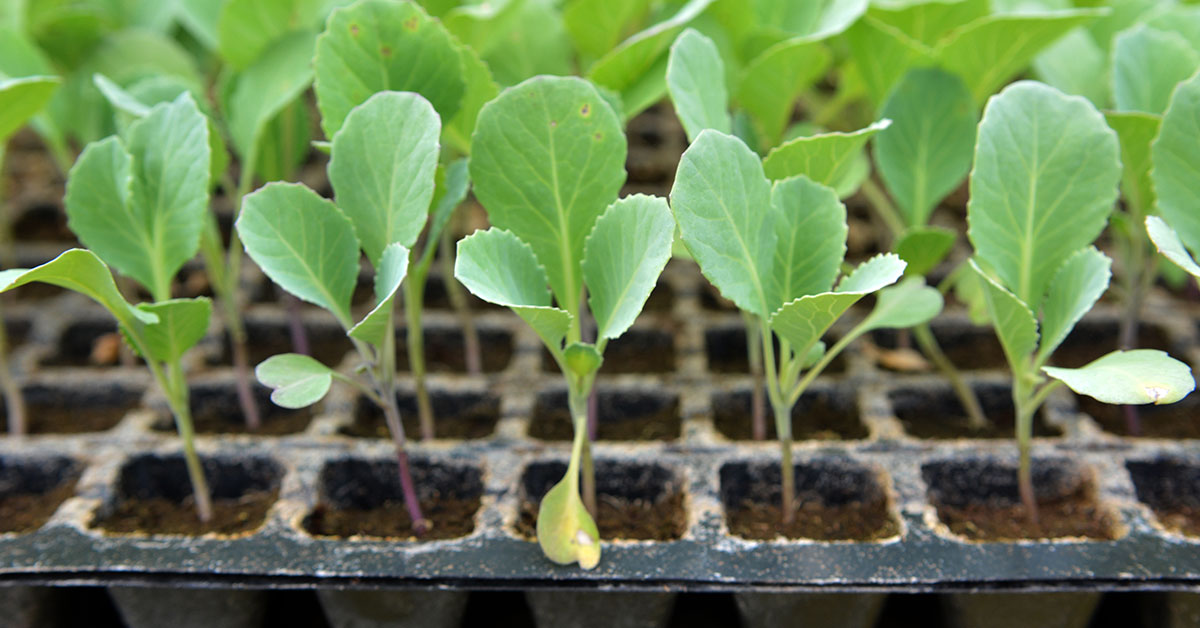

Cabbage, a versatile and nutritious vegetable, is a favorite among gardeners in Michigan. As a gardener, knowing the optimal time to plant cabbage can greatly impact the success of your harvest. Planting cabbage in Michigan requires a deep understanding of the state’s climate zones and final frost dates.
In this article, we will explore the best time to plant cabbage in Michigan, considering the state’s unique weather patterns and growing seasons. Whether you are a seasoned gardener or a beginner, understanding the ideal planting time will help you achieve a bountiful cabbage crop that will delight your taste buds and enhance your culinary endeavors.
So, let’s dive into the world of cabbage gardening in Michigan and discover the perfect time to sow those seeds or seedlings for a successful and rewarding harvest.
Best varieties of cabbage to grow in Michigan
In Michigan, there are several varieties of cabbage that are well-suited to the climate and growing conditions. Here are some good options:
- ‘Stonehead’: This variety is known for its excellent flavor and solid heads. It is resistant to splitting and can tolerate cool temperatures, making it a good choice for Michigan’s climate.
- ‘Early Jersey Wakefield’: This is a popular early-maturing cabbage variety that produces conical-shaped heads. It has a sweet and tender flavor, making it great for fresh eating or coleslaw.
- ‘Red Express’: If you prefer red cabbage, ‘Red Express’ is a good choice. It is a compact variety that matures early and produces vibrant red heads. It has a mild flavor and is great for salads and pickling.
- ‘January King’: This variety is more suitable for fall and winter harvests in Michigan. It produces large, dense heads with a beautiful blue-green color. It has a slightly sweet and crisp flavor, making it ideal for sautéing or adding to soups and stews.
- ‘Golden Acre’: This is a classic variety that is known for its round, compact heads. It matures early and has a mild flavor. It is a versatile cabbage that can be used in various dishes, such as stir-fries, slaws, or steamed.
Remember to consider your specific growing conditions, such as soil type, sunlight, and available space, when selecting cabbage varieties. It is also important to follow proper planting and care instructions to ensure successful growth and harvest.
When to plant Cabbage in Michigan
Michigan is located in the northern part of the United States and experiences a wide range of climates throughout the state. The United States Department of Agriculture (USDA) has divided the country into different hardiness zones based on average annual minimum temperatures. These zones help gardeners determine which plants are most likely to thrive in their specific region.
Michigan is divided into multiple hardiness zones, ranging from zone 4 in the Upper Peninsula to zone 6 in the southern parts of the Lower Peninsula. Zone 4 has colder temperatures and a shorter growing season, while zone 6 has milder winters and a longer growing season.
When it comes to planting cabbage in Michigan, it is important to consider the specific hardiness zone in your area. Cabbage is a cool-season crop that can tolerate light frost, making it suitable for planting in early spring or late summer for a fall harvest.
In the southern parts of Michigan (zone 6), the best time to plant cabbage is in early spring, around mid-April to early May. This allows the plants to establish themselves before the hot summer temperatures arrive. For a fall harvest, you can also plant cabbage in late summer, around mid-July to early August.
In the central regions of Michigan (zone 5), the ideal time for planting cabbage is slightly later. You can start planting in early May for a spring harvest or in late July to early August for a fall harvest.
In the northern parts of Michigan, particularly the Upper Peninsula (zone 4), the growing season is shorter, and the temperatures are colder. It is best to start cabbage seeds indoors 4-6 weeks before the last expected frost date, which is usually around early to mid-June. Transplant the seedlings outdoors in late spring or early summer, once the soil has warmed up.
It’s important to note that these are general guidelines, and you should always consider local weather conditions and any frost dates specific to your area. Additionally, cabbage prefers well-drained soil, full sun, and regular watering to ensure healthy growth.
By following the appropriate planting times and providing optimal growing conditions, you can enjoy a bountiful harvest of fresh, crisp cabbage in your Michigan garden.
When to harvest Cabbage in Michigan
The optimal time to harvest cabbage in Michigan is typically in late summer or early fall, around 70 to 90 days after planting. This is when the cabbage heads are firm and fully formed. It is important to keep an eye on the cabbage and check for signs of maturity, such as a solid head and compact leaves. Harvesting too early can result in smaller heads, while waiting too long can lead to the cabbage becoming tough and bitter.
Other considerations
When growing cabbage in Michigan, there are several additional considerations to keep in mind:
- Climate: Michigan has a relatively short growing season, so it is important to choose cabbage varieties that can mature within this timeframe. Look for varieties that have a shorter growing season and are more tolerant of cooler temperatures.
- Timing: Cabbage is a cool-season crop that prefers cooler temperatures for optimal growth. Start seeds indoors about 6-8 weeks before the last expected frost date, or buy transplants from a local nursery. Transplants can be set out in the garden 2-3 weeks before the last frost date.
- Soil: Cabbage prefers well-drained, fertile soil with a pH level between 6.0 and 7.5. It is beneficial to amend the soil with organic matter, such as compost or aged manure, before planting to improve soil structure and fertility. Conduct a soil test to determine the nutrient levels and make necessary adjustments.
- Sunlight: Cabbage plants require full sun exposure for at least 6-8 hours per day. Choose a location in your garden that receives ample sunlight throughout the day.
- Watering: Cabbage plants need consistent moisture to thrive. Water them deeply, providing about 1 inch of water per week, either through rainfall or supplemental irrigation. Be cautious not to overwater, as it can lead to disease issues.
- Mulching: Applying a layer of organic mulch around the cabbage plants helps retain soil moisture, suppress weed growth, and regulate soil temperature. Straw, hay, or shredded leaves make excellent mulch materials.
- Pest and disease control: Cabbage is susceptible to a range of pests and diseases, including cabbage worms, aphids, and clubroot. Monitor your plants regularly, and take appropriate measures if you notice any signs of infestation or disease, such as using organic insecticides or disease-resistant varieties.
- Crop rotation: To prevent the buildup of soil-borne diseases, practice crop rotation. Avoid planting cabbage or other brassicas in the same spot for at least three years.
- Harvesting: Harvest cabbage heads when they reach the desired size and firmness. Cut the heads just above ground level using a sharp knife. If you notice any sign of splitting, harvest immediately, as it indicates over-maturity.
By considering these factors and providing proper care, you can successfully grow cabbage in Michigan.