
Are you a cabbage enthusiast in the beautiful state of Kentucky, eager to grow your own nutritious and delicious crop? Well, you’ve come to the right place! Planting cabbage in Kentucky requires a deep understanding of the state’s climate zones and final frost dates.
Kentucky’s climate presents unique challenges and opportunities, with its humid summers and cool winters. By understanding the specific planting windows and best practices, you will be well-equipped to cultivate thriving cabbage plants that will grace your table with their crunchy leaves and versatile culinary uses. So, grab your gardening gloves and let’s dive into the world of cabbage cultivation in Kentucky!
Best varieties of cabbage to grow in Kentucky
In Kentucky, some good varieties of cabbage that thrive well are:
- Early Jersey Wakefield: This is a popular early maturing variety with pointed heads. It is known for its excellent flavor and tender texture.
- Copenhagen Market: This variety produces medium-sized, round heads that are crisp and sweet. It is a reliable variety that is resistant to splitting.
- Red Express: If you prefer red cabbage, this variety is a great choice. It has deep purple-red heads that are packed with antioxidants and have a slightly peppery flavor.
- Stonehead: This variety is known for its compact heads that are resistant to splitting. It has a good flavor and is a reliable producer.
- Golden Acre: Golden Acre is a classic variety that produces small to medium-sized heads. It has a sweet flavor and is ideal for smaller gardens or containers.
- Savoy King: If you prefer a crinkled or savoyed cabbage, Savoy King is a good option. It has deep green, heavily savoyed leaves and excellent flavor.
Remember to consider the specific growing requirements and gardening zone of your location when selecting cabbage varieties.
When to plant Cabbage in Kentucky
In Kentucky, the hardiness zones range from 6a to 7b, according to the United States Department of Agriculture (USDA) Plant Hardiness Zone Map. These zones are determined based on the average annual minimum winter temperatures in different regions. Understanding the hardiness zones is essential for gardeners as it helps determine which plants can thrive in specific areas.
When it comes to planting cabbage in Kentucky, it is important to consider the appropriate time for successful growth. Cabbage is a cool-season crop that prefers cooler temperatures for optimal development. It can tolerate light frosts and even some freezing temperatures.
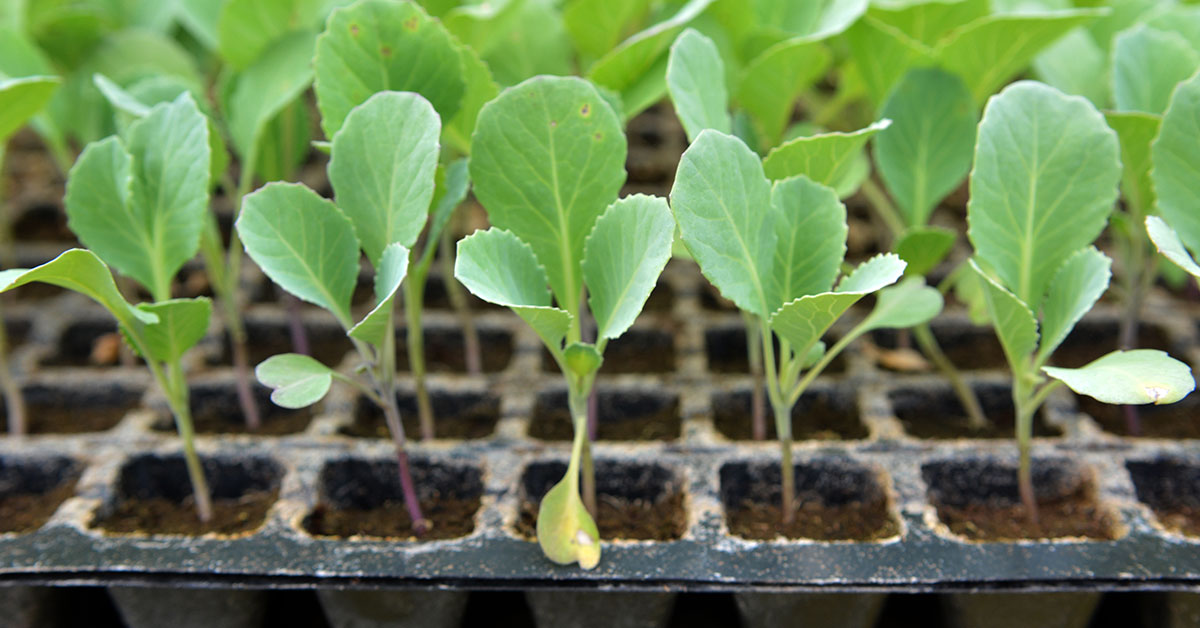
In Kentucky, the best time to plant cabbage is in the early spring or late summer for a fall harvest. For spring planting, cabbage seeds can be sown indoors 4-6 weeks before the last expected frost date, which is typically around mid-March in most parts of Kentucky. Once seedlings are 4-6 weeks old and have developed a strong root system, they can be transplanted into the garden.
If you prefer a fall harvest, cabbage can be sown directly into the garden around mid-July to early August. This allows the plants to mature during the cooler temperatures of early autumn, resulting in sweeter and more flavorful heads of cabbage.
It is important to note that these timeframes can vary depending on the specific conditions and microclimates within Kentucky. Therefore, it is always recommended to consult with local gardening resources, such as county extension offices or experienced gardeners in your area, for precise planting dates and advice tailored to your location.
Additionally, cabbage plants require fertile, well-draining soil with a pH level between 6.0 and 7.5. They also benefit from regular watering and consistent moisture, especially during dry spells. Adequate spacing, proper nutrition, and pest management practices should also be considered to ensure healthy and productive cabbage plants in your Kentucky garden.
When to harvest Cabbage in Kentucky
The optimal time to harvest cabbage in Kentucky is typically during the late summer or early fall. Cabbage is a cool-season crop, so it grows best in cooler temperatures. In Kentucky, this usually means harvesting cabbage in September or October when the weather starts to cool down. However, it’s important to monitor the growth of your cabbage plants and harvest them when the heads reach the desired size and are firm and compact. Waiting too long to harvest can result in the cabbage becoming overripe and potentially splitting.
Other considerations
When growing cabbage in Kentucky, there are several other considerations to keep in mind:
- Climate and Season: Cabbage is a cool-season crop, so it is important to choose the right time to plant it. In Kentucky, cabbage can be planted in early spring (March to April) or in late summer (August to September) for a fall harvest. Make sure to check the local frost dates and plan accordingly.
- Soil Preparation: Cabbage prefers well-drained soil with a pH between 6.0 and 7.5. Before planting, it is beneficial to amend the soil with organic matter such as compost or well-rotted manure to improve its fertility and drainage.
- Sunlight: Cabbage requires at least 6 hours of direct sunlight daily for optimal growth. Choose a location in your garden that receives adequate sunlight throughout the day.
- Watering: Cabbage plants need consistent moisture to grow properly. They should be watered regularly, especially during dry spells. However, it is important not to overwater, as this can lead to root rot and other diseases. Consider using a drip irrigation system to provide a steady supply of water to the plants.
- Fertilization: Cabbage is a heavy feeder and requires regular fertilization to thrive. Prior to planting, incorporate a balanced fertilizer into the soil. Additionally, side-dress the plants with a nitrogen-rich fertilizer every 3-4 weeks to promote healthy growth.
- Pest and Disease Management: Cabbage is susceptible to pests such as cabbage worms, aphids, and flea beetles. Regularly inspect your plants for signs of infestation and take appropriate measures, such as using organic pest control methods or introducing beneficial insects like ladybugs. Additionally, be vigilant for common cabbage diseases like clubroot, black rot, and downy mildew. Practice crop rotation and maintain good garden hygiene to minimize disease risks.
- Harvesting: Cabbage heads are ready for harvesting when they feel firm and have reached the desired size. Cut the head at the base, leaving a few outer leaves intact to protect the inner leaves. Harvesting should be done in the morning when the heads are cool.
By considering these factors, you can increase your chances of successfully growing cabbage in Kentucky and enjoy a bountiful harvest.