
When it comes to growing cabbage, timing is everything. In the heartland of America, where the sun shines bright and the soil is fertile, Kansas offers the perfect conditions for cultivating this versatile and nutritious vegetable. Planting cabbage in Kansas requires a deep understanding of the state’s climate zones and final frost dates.
The weather patterns and temperature fluctuations in Kansas can greatly affect the growth and development of cabbage plants, making it essential for gardeners to plan their planting schedule accordingly.
In this article, we will delve into the optimal planting window for cabbage in Kansas, taking into consideration the unique climate of the state and the specific needs of this cool-season crop. Whether you’re a seasoned gardener or just starting out, read on to discover the key factors that will help you achieve success with your cabbage plants in the Sunflower State.
What are good varieties for Cabbage in Kansas
In Kansas, there are several varieties of cabbage that perform well in the region’s climate. Here are some popular choices:
- Early Jersey Wakefield: This variety is known for its early maturity and pointed head. It is an heirloom cabbage that grows well in cooler temperatures.
- Golden Acre: Golden Acre cabbage is a compact variety with round, tightly-packed heads. It is resistant to cracking and performs well in Kansas’ growing conditions.
- Copenhagen Market: This variety produces medium-sized, round heads that are solid and uniform. It is known for its excellent flavor and resistance to splitting.
- Red Express: If you prefer red cabbage, Red Express is a great choice. It has deep red-purple leaves and forms compact heads. It is also tolerant to heat, making it suitable for Kansas summers.
- Stonehead: Stonehead cabbage is a reliable variety that produces medium-sized, round heads. It has good disease resistance and performs well in both spring and fall plantings.
Remember to consider your specific growing conditions and preferences when selecting cabbage varieties. It’s also important to follow proper planting and care practices to ensure a successful harvest.
When to plant Cabbage in Kansas
In Kansas, the United States Department of Agriculture (USDA) has identified several hardiness zones to help gardeners determine which plants are most likely to thrive in their area. The hardiness zones in Kansas range from Zone 5b in the northwestern part of the state to Zone 7a in the southeastern region.
When it comes to planting cabbage in Kansas, it is important to consider both the hardiness zone and the appropriate planting time for this particular crop. Cabbage is a cool-season vegetable that prefers cooler temperatures for optimal growth. It is typically grown in the spring or fall when the weather is not too hot.
For Kansas, the best time to plant cabbage is in the early spring, as soon as the soil can be worked and the risk of frost has passed. This is usually around April or early May, depending on the specific hardiness zone you are in. Cabbage can tolerate some frost, so it is safe to plant it a few weeks before the last expected frost date.
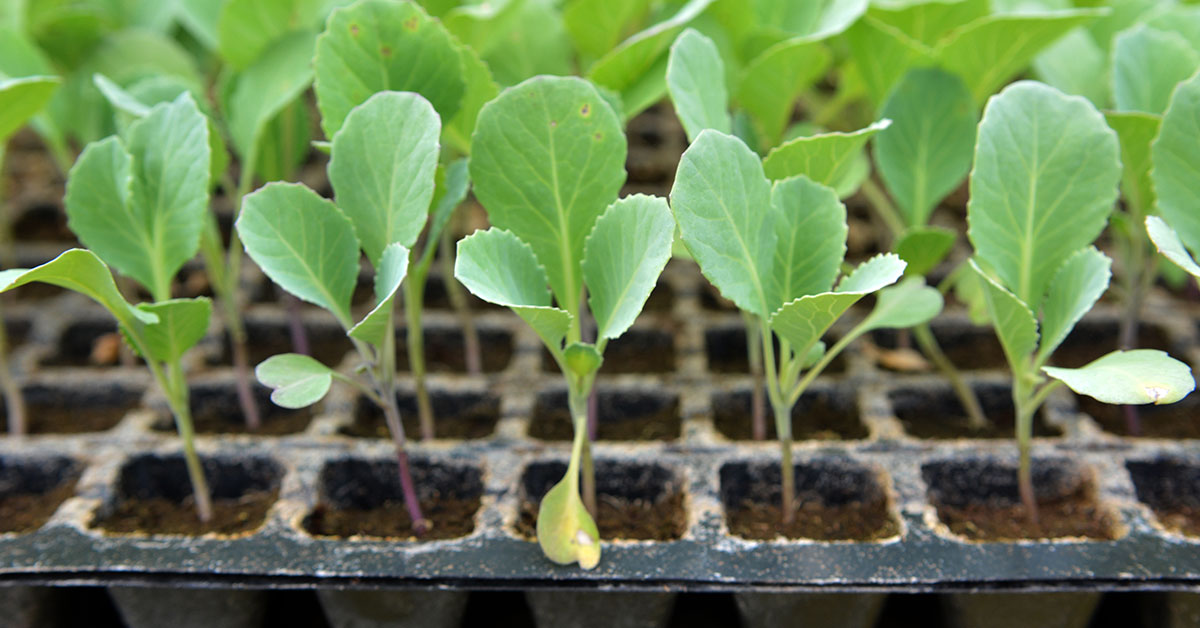
If you are located in Zone 5b or 6a, it is recommended to start cabbage seeds indoors about 6-8 weeks before the last frost date and then transplant the seedlings into the garden. In Zones 6b to 7a, you can directly sow cabbage seeds in the garden around the same time.
When planting cabbage, ensure that the soil is well-drained, fertile, and rich in organic matter. Cabbage plants require full sun but can tolerate partial shade in hotter regions. Adequate spacing between plants is also important to allow for proper air circulation and prevent diseases.
Regular watering and the application of organic mulch around the base of the plants can help retain moisture and prevent weed growth. Additionally, regular fertilization during the growing season will support healthy growth and improve yields.
Harvesting cabbage in Kansas can typically begin in late spring or early summer for spring-planted crops, and in late fall or early winter for fall-planted crops. Harvest the cabbage heads when they are firm and have reached the desired size, cutting the heads off at the base of the plant.
By following these guidelines and considering the specific hardiness zone of your location, you can ensure a successful cabbage harvest in Kansas. Happy gardening!
When to harvest Cabbage in Kansas
The optimal time to harvest cabbage in Kansas is typically in the late summer or early fall, around 70 to 90 days after transplanting or 90 to 120 days after sowing the seeds. However, it’s important to monitor the cabbage plants closely for maturity indicators. Cabbage heads should be firm and dense, with leaves tightly wrapped around the head. The heads should reach their full size and have a good color, depending on the variety you are growing. Additionally, you can gently squeeze the heads to check for firmness. Harvesting should be done before the cabbage starts to crack or split, which can occur if left on the plant for too long.
Other Considerations
When growing cabbage in Kansas, there are several important considerations to keep in mind:
- Soil preparation: Cabbage prefers well-drained soil with a pH level between 6.0 and 7.5. Before planting, ensure the soil is adequately amended with organic matter, such as compost or well-rotted manure, to improve its fertility and structure.
- Timing: Cabbage is a cool-season crop that performs best in Kansas when planted in early spring or late summer for fall harvest. Ensure that you time your planting based on the average last frost date in your area.
- Sunlight: Cabbage requires at least six hours of direct sunlight per day for optimal growth. Choose a location in your garden that receives ample sunlight throughout the day.
- Watering: Cabbage needs consistent moisture to thrive. Water deeply and regularly, aiming to keep the soil consistently moist but not waterlogged. During hot and dry periods, you may need to increase the frequency of watering.
- Mulching: Applying a layer of organic mulch, such as straw or shredded leaves, around your cabbage plants can help conserve moisture, suppress weed growth, and regulate soil temperature.
- Fertilization: Cabbage is a heavy feeder and benefits from regular fertilization. Prior to planting, incorporate a balanced fertilizer into the soil. Additionally, side-dress the plants with nitrogen-rich fertilizer every few weeks during the growing season.
- Pest and disease management: Cabbage is susceptible to various pests and diseases, such as aphids, cabbage worms, flea beetles, and clubroot. Implement integrated pest management strategies, such as regular monitoring, handpicking pests, and using organic insecticides when necessary. Crop rotation and good sanitation practices can also help prevent disease issues.
- Harvesting: Cabbage is ready for harvest when the heads reach their desired size, firmness, and color. Cut the heads off at the base, leaving a few outer leaves intact. Properly store harvested cabbage in a cool and humid location to maximize its shelf life.
By considering these factors, you can increase your chances of successfully growing cabbage in Kansas.