
Welcome to the world of gardening in Georgia, where the fertile soil and mild climate create an ideal environment for growing a variety of vegetables. If you’re considering planting cabbage in your garden, timing is key to ensure a successful harvest. Planting cabbage in Georgia requires a deep understanding of the state’s climate zones and final frost dates.
Cabbage is a cool-season crop that thrives in moderate temperatures, making it a popular choice for Georgia gardeners. In this article, we will explore the best time to plant cabbage in Georgia, taking into account the state’s unique climate and soil conditions.
Whether you’re a seasoned gardener or a beginner looking to try your hand at growing this nutritious vegetable, read on to discover the optimal planting window and valuable tips to help you achieve a bountiful harvest of delicious, homegrown cabbage.
Best cabbage varieties to grow in Georgia
There are several varieties of cabbage that grow well in Georgia’s climate. Here are a few popular choices:
- ‘Gonzales’: This variety is known for its large, round heads and excellent heat tolerance. It is resistant to cracking and has a good shelf life.
- ‘Stonehead’: Stonehead cabbage produces dense, solid heads that are great for both fresh eating and cooking. It is a reliable performer in Georgia’s warm weather.
- ‘Early Jersey Wakefield’: This heirloom variety is well-suited for early planting in Georgia. It produces pointed, cone-shaped heads that are tender and flavorful.
- ‘Savoy King’: If you prefer a crinkled or savoy cabbage, Savoy King is a good choice. It has deep green leaves and a mild, sweet flavor.
- ‘Late Flat Dutch’: As the name suggests, this cabbage variety takes longer to mature, but it produces large, flat heads that are great for making sauerkraut or coleslaw.
Remember to provide your cabbage plants with full sun, well-drained soil, and regular watering for optimal growth.
When to plant Cabbage in Georgia
Georgia is located in USDA hardiness zones 6a to 9b, which means it experiences a relatively mild climate compared to other regions in the United States. These zones are determined based on the average minimum winter temperatures, helping gardeners choose plants that can withstand the local conditions.
When it comes to planting cabbage in Georgia, the best time is during the cool seasons. Cabbage is a cool-season crop that prefers temperatures between 45°F and 75°F (7°C to 24°C). Planting cabbage during the hot summer months is not ideal, as the heat can cause the heads to bolt or become bitter.
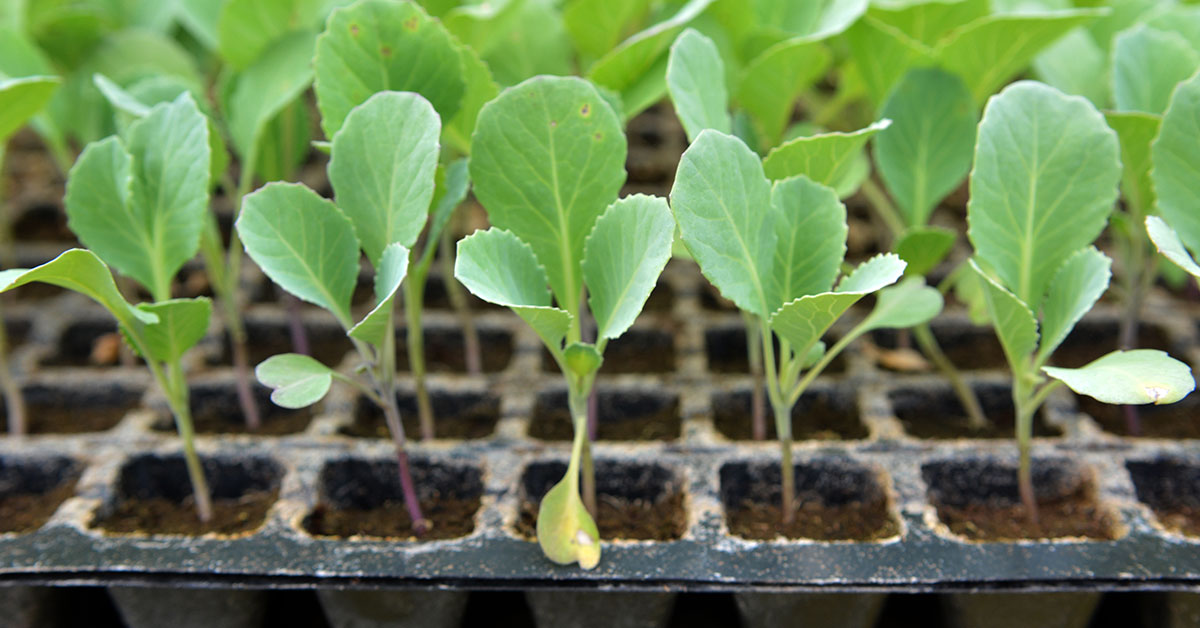
In Georgia, the optimum time to plant cabbage depends on the specific region within the state. Generally, cabbage can be started indoors from seeds 6 to 8 weeks before the last expected frost date. Once the seedlings have developed 4 to 6 true leaves, they can be transplanted into the garden.
For most parts of Georgia, the recommended time to transplant cabbage seedlings into the garden is in early spring, around late February to mid-March. This timing allows the plants to establish and grow before the warmer temperatures of summer arrive. However, in the northern regions of the state (zone 6a), it is advisable to wait until late March or early April to avoid any late frosts.
Alternatively, cabbage can also be planted in late summer for a fall harvest. For this, seeds should be started indoors around mid to late June, and the seedlings can be transplanted into the garden in mid to late July. This timing ensures that the cabbage heads mature in cooler temperatures, resulting in better flavor and quality.
It is worth noting that these timeframes are general guidelines, and local weather conditions may vary each year. It is always beneficial to consult with local agricultural extension offices or experienced gardeners in your area for more specific planting recommendations based on your location within Georgia.
When to harvest Cabbage in Georgia
The optimal time to harvest cabbage in Georgia is typically in the late spring or early summer, around 70 to 90 days after transplanting seedlings or 90 to 120 days after sowing seeds directly. This usually corresponds to the months of May through July. However, it’s important to keep an eye on the specific variety of cabbage you are growing, as different varieties may have slightly different maturity dates. Additionally, factors such as weather conditions and the health of your plants can also influence the exact timing of harvest. To determine if your cabbage is ready for harvest, check the size of the heads – they should be firm and solid, with a tight formation of leaves.
Other considerations
When growing cabbage in Georgia, there are several additional considerations to keep in mind:
- Planting time: Cabbage grows best in cooler temperatures, so it is important to plant it during the appropriate season. In Georgia, it is recommended to plant cabbage in the fall (August to September) for a winter harvest, or in early spring (February to March) for a summer harvest.
- Soil conditions: Cabbage prefers well-draining soil with a pH level between 6.0 and 6.8. Before planting, it is beneficial to amend the soil with organic matter such as compost or well-rotted manure to improve fertility and drainage.
- Watering: Cabbage plants require consistent moisture to grow properly. They need about 1-1.5 inches of water per week, either from rainfall or irrigation. It is important to water deeply and avoid overwatering, as cabbage is susceptible to rot and fungal diseases if the soil remains too wet.
- Fertilization: Cabbage is a heavy feeder and requires regular fertilization. Prior to planting, incorporate a balanced fertilizer into the soil. Additionally, side-dress the plants with nitrogen-rich fertilizer every few weeks during the growing season to promote healthy growth.
- Pest and disease management: Cabbage is susceptible to various pests and diseases, including cabbage worms, aphids, and clubroot. Regularly inspect the plants for any signs of infestation or disease, and take appropriate measures such as applying organic insecticides or using floating row covers for protection.
- Crop rotation: To prevent the buildup of pests and diseases in the soil, it is important to practice crop rotation. Avoid planting cabbage or other members of the brassica family in the same spot for at least three years.
- Harvesting: Cabbage is ready for harvest when the heads feel firm and dense. It is advisable to harvest the heads in the morning when they are cool to ensure maximum freshness and flavor.
By taking these considerations into account, you should be able to successfully grow cabbage in Georgia.