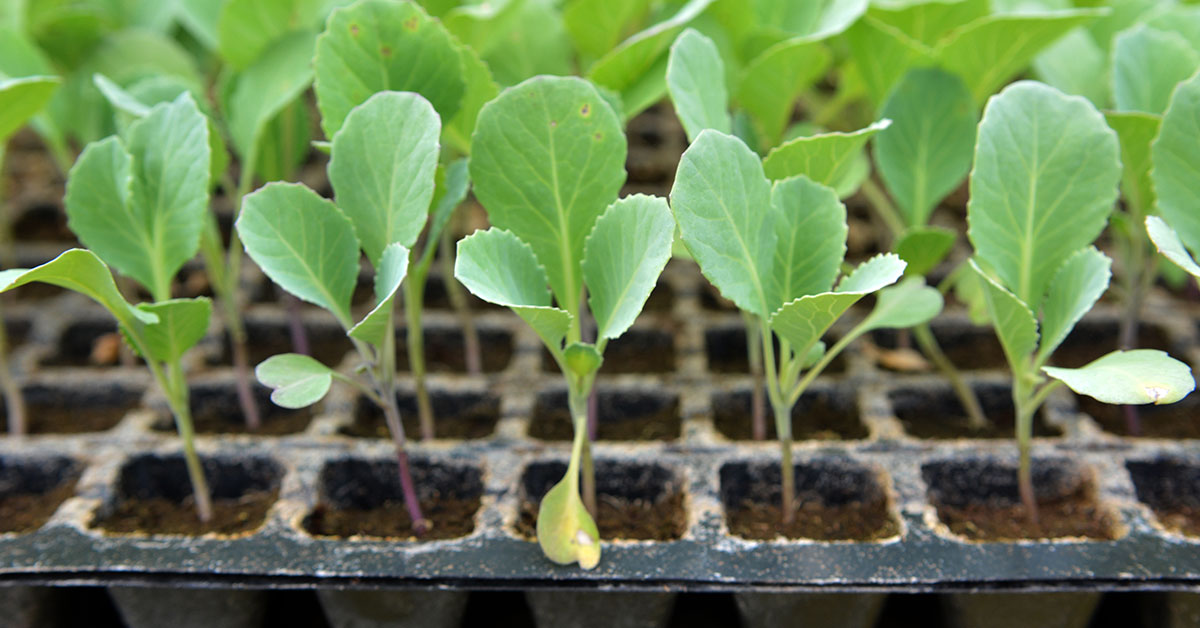

Welcome to the world of gardening in Florida! If you’re considering growing cabbage in the Sunshine State, you’ve come to the right place. As an experienced gardener in this tropical paradise, I’m here to guide you through the ins and outs of planting cabbage at the perfect time. Planting cabbage in Florida requires a deep understanding of the state’s climate zones and final frost dates.
Florida’s unique climate and growing conditions present specific challenges and opportunities for cabbage cultivation. It’s important to understand the best time to plant this versatile and nutrient-rich vegetable to ensure a bountiful harvest. In this article, we will explore the optimal planting time, ideal growing conditions, and essential tips for successfully growing cabbage in Florida. So, grab your gardening gloves and let’s delve into the world of cabbage planting in the Sunshine State!
Best cabbage varieties to grow in Florida
In Florida, there are a few varieties of cabbage that thrive in the warm climate. Here are some good options:
- Early Jersey Wakefield: This is a popular variety that produces small, conical-shaped heads. It has a good resistance to heat and is known for its excellent flavor.
- Flat Dutch: This variety produces large, flat heads and has a good tolerance to warm temperatures. It is a favorite for making coleslaw and sauerkraut.
- Red Express: If you prefer red cabbage, Red Express is a great choice. It has deep purple-red leaves and a sweet flavor. It matures relatively quickly, making it suitable for Florida’s shorter growing season.
- Savoy King: This variety has crinkled, dark green leaves and produces medium-sized heads. It is resistant to heat and cold, making it a versatile option for Florida gardeners.
- Chinese Cabbage (Napa): Napa cabbage is a popular choice for stir-fries and Asian-inspired dishes. It has an elongated shape and mild flavor. It grows well in Florida’s climate and is relatively quick to mature.
Remember to provide your cabbage plants with consistent moisture, as they require regular watering in Florida’s hot and often dry conditions. Additionally, providing some shade during the hottest parts of the day can help prevent wilting and bolting.
When to plant Cabbage in Florida
Florida is a unique state when it comes to gardening due to its diverse climate. It is divided into different hardiness zones, which are based on the average minimum winter temperatures. These zones help gardeners determine which plants will thrive in their specific area.
In Florida, the hardiness zones range from 8a to 11a. The northern parts of the state, such as Tallahassee and Jacksonville, fall under zone 8a, while the southernmost regions, including Miami and Key West, are classified as zone 11a. The zones in between gradually increase in temperature as you move southward.
When it comes to planting cabbage in Florida, the best time depends on your specific location within the state. Generally, cabbage is a cool-season vegetable that prefers temperatures between 60°F and 70°F. It is typically grown as a winter crop in Florida when temperatures are cooler and more favorable for its growth.
For gardeners in North Florida (zone 8a-9a), cabbage can be planted from late September to early November. This allows the plants to establish themselves before the colder temperatures of winter arrive. In Central Florida (zone 9b-10a), cabbage can be planted from late October to mid-December. The milder winters in this region provide a longer growing season.
In South Florida (zone 10b-11a), cabbage can be planted from November to February. The cooler temperatures during this time promote better growth and help prevent the heads from bolting or becoming bitter. It’s important to note that in South Florida, cabbage is typically grown as a winter crop rather than a summer crop due to the hot and humid summers.
Before planting cabbage, it is essential to prepare the soil by adding organic matter and ensuring good drainage. Cabbage plants prefer full sun but can tolerate partial shade. Space the plants properly, allowing enough room for each head to develop fully.
Regular watering and fertilization are crucial for cabbage cultivation. Keep the soil consistently moist but not waterlogged. Use a balanced fertilizer high in nitrogen to promote leafy growth. Monitor for pests such as cabbage worms and aphids, and take appropriate measures to control them.
By following these guidelines and considering the specific hardiness zone you are in, you can successfully grow cabbage in Florida and enjoy its delicious and nutritious harvest. Remember to consult local gardening resources or your county’s cooperative extension office for more region-specific advice and recommendations.
When to harvest Cabbage in Florida
The optimal time to harvest cabbage in Florida is typically during the cooler months, specifically from late fall through early spring. Cabbage prefers moderate temperatures between 60°F and 70°F (15°C to 21°C). Harvesting during this period ensures that the cabbage heads have had enough time to mature and develop their full size and flavor without being exposed to extreme heat. It is advisable to monitor the growth of the cabbage heads and harvest them when they are firm and compact. Additionally, harvesting cabbage before the arrival of any potential frost is crucial to prevent damage to the crop.
Other considerations
When growing cabbage in Florida, there are several additional considerations to keep in mind:
- Heat tolerance: Cabbage is a cool-season crop, so it can be challenging to grow in Florida’s hot and humid climate. Look for cabbage varieties that are specifically bred for heat tolerance.
- Timing: Plant cabbage in Florida during the cooler months, typically from late fall to early spring. This will help ensure that the plants have the best chance of thriving before the intense summer heat arrives.
- Soil preparation: Prepare the soil by adding organic matter like compost or well-rotted manure to improve drainage and fertility. Cabbage prefers slightly acidic soil with a pH between 6.0 and 6.5.
- Watering: Cabbage needs consistent moisture to grow well, especially during the hotter months. Water deeply and regularly, aiming for about 1 inch of water per week. Be careful not to overwater, as cabbage can be prone to rot in excessively wet conditions.
- Pest control: Florida’s warm climate also means that pests can be a challenge. Keep an eye out for common cabbage pests like aphids, cabbage loopers, and cabbage worms. Monitor your plants regularly and consider using organic pest control methods like handpicking pests or applying insecticidal soap.
- Disease management: Cabbage is susceptible to various diseases, such as black rot, clubroot, and downy mildew. Practice good crop rotation, avoid overhead watering, and remove any infected plants promptly to prevent the spread of diseases.
- Sun protection: While cabbage needs full sun to grow, Florida’s intense sun can be too harsh for the plants. Consider providing some shade during the hottest part of the day, either by planting taller crops nearby or using shade cloth.
- Fertilization: Cabbage is a heavy feeder and requires regular fertilization. Apply a balanced fertilizer according to the package instructions or use organic options like compost or fish emulsion. Avoid excessive nitrogen fertilization, as it can lead to lush foliage but poor head formation.
By considering these factors and providing the right care, you can successfully grow cabbage in Florida’s challenging climate.