
If you’re a gardener in Connecticut and have a hankering for fresh, homegrown cabbage, it’s important to know the best time to plant this nutritious vegetable. Cabbage, with its crunchy leaves and versatility in various culinary creations, thrives in cool weather conditions. Planting cabbage in Conneticut requires a deep understanding of the state’s climate zones and final frost dates.
To ensure a successful crop, it’s crucial to understand the ideal timing for planting cabbage in Connecticut’s climate. In this article, we will explore the optimal planting window, taking into account the state’s weather patterns and the cabbage’s growth requirements. Whether you’re an experienced gardener or a beginner looking to embark on a new vegetable-growing adventure, this guide will equip you with the knowledge to achieve a bountiful harvest of delicious, homegrown cabbage in the Constitution State.
Best cabbage varieties to grow in Connecticut
In Connecticut, some good varieties of cabbage that perform well are:
- Copenhagen Market: This variety is known for its medium-sized, round heads and excellent flavor. It is resistant to bolting and matures in about 70-80 days.
- Early Jersey Wakefield: This heirloom variety produces small to medium-sized pointed heads. It is an early maturing cabbage, ready for harvest in around 60-70 days. It has a sweet flavor and is great for coleslaw or stir-frying.
- Stonehead: This compact variety is ideal for small gardens. It forms dense, round heads that are resistant to splitting. It matures in approximately 70-80 days and has a mild flavor.
- Red Express: If you’re looking for a red cabbage variety, Red Express is a good choice. It has vibrant, deep red-colored heads and is relatively quick to mature in about 60-70 days. It has a sweet and crisp taste.
- Savoy Ace: This savoy cabbage variety has crinkled leaves that are tender and flavorful. It forms medium-sized heads and matures in around 80-90 days. It is resistant to both cracking and splitting.
Remember to consider your growing conditions, such as sun exposure and soil quality, when selecting cabbage varieties. Additionally, it’s always a good idea to consult with local garden centers or agricultural extensions for specific recommendations based on your region in Connecticut.
When to plant Cabbage in Connecticut
Connecticut, like all other states in the United States, has its own hardiness zones. Hardiness zones are determined based on the average annual minimum temperature and help gardeners identify which plants are most likely to thrive in their region. In Connecticut, the hardiness zones range from 5a to 7b, with the northern parts of the state falling into zones 5a and 5b, and the southern regions falling into zones 6a and 6b.
When it comes to planting cabbage in Connecticut, it is essential to consider the appropriate time to ensure successful growth and a bountiful harvest. Cabbage is a cool-season crop that thrives in cooler temperatures, so it is typically planted in early spring or late summer for a fall harvest.
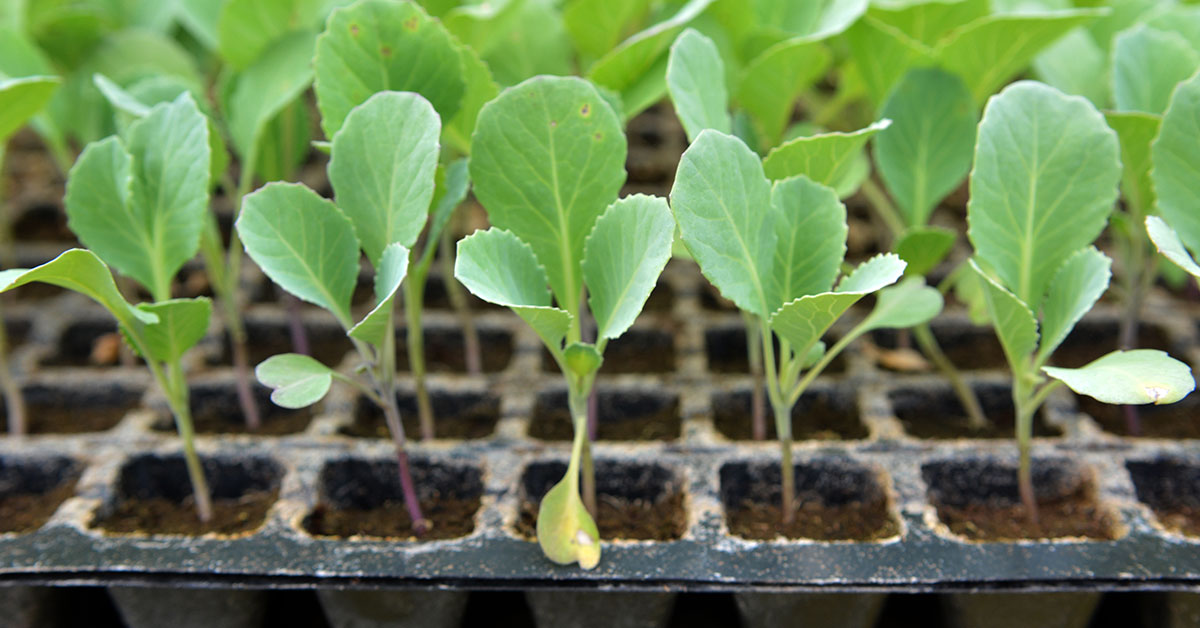
For spring planting, you should aim to start cabbage seeds indoors about 6-8 weeks before the last expected frost date, which falls around mid-April in most parts of Connecticut. This allows the seedlings to grow and develop before being transplanted outdoors. Once the seedlings have developed a few true leaves, they can be transplanted into the garden. Depending on the weather conditions, this is usually done in late April or early May.
In Connecticut, cabbage can also be planted for a fall harvest. For this, you need to calculate the number of days to maturity for your chosen cabbage variety and count backwards from the first expected frost date in the fall. The first expected frost date in Connecticut varies from early October in the northern regions to late October or early November in the southern regions. Cabbage typically takes around 80-100 days to mature, so you would want to plant the seeds or seedlings accordingly, ensuring they are in the ground in early to mid-summer.
It is worth noting that cabbage grows best in well-drained soil with a pH level between 6.0 and 6.8. Additionally, cabbage plants prefer full sun but can tolerate partial shade. Adequate watering and regular fertilization will also contribute to healthy plant growth.
By following these guidelines, you can ensure a successful cabbage harvest in Connecticut, whether you choose to plant in the spring or fall.
When to harvest Cabbage in Connecticut
The optimal time to harvest cabbage in Connecticut is typically in the late summer or early fall, when the heads are firm and fully formed. This usually occurs around 70 to 90 days after transplanting or 90 to 110 days after sowing seeds, depending on the variety. It is important to pay attention to the specific instructions provided by the seed packet or plant label, as different cabbage varieties may have slightly different maturity times. Additionally, keep an eye on the weather as cabbage can be damaged by frost, so it’s best to harvest before the first frost of the season.
Other considerations
When growing cabbage in Connecticut, there are several other considerations to keep in mind:
- Climate: Connecticut has a temperate climate with cold winters and warm summers. Cabbage is a cool-season crop that prefers temperatures between 60-70°F (15-21°C). It is best to start cabbage seeds indoors 6-8 weeks before the last frost date and transplant them outdoors when the soil temperature reaches 45-75°F (7-24°C).
- Soil: Cabbage prefers well-draining soil that is rich in organic matter. Amend the soil with compost or well-rotted manure before planting to improve fertility and drainage. The ideal soil pH for cabbage is between 6.0-7.5.
- Sunlight: Cabbage requires full sun exposure for at least 6-8 hours a day. Ensure that your planting location receives adequate sunlight to promote healthy growth and head development.
- Watering: Consistent watering is crucial for cabbage plants. They require about 1-1.5 inches of water per week, either from rainfall or supplemental irrigation. Avoid overwatering, as it can lead to root rot and other diseases. Water at the base of the plant, avoiding wetting the leaves to prevent fungal diseases.
- Pest and disease management: Cabbage is susceptible to several pests and diseases, including cabbage worms, aphids, clubroot, and black rot. Monitor your plants regularly for any signs of pest infestation or disease. Use organic or chemical controls as necessary to manage these issues.
- Crop rotation: To prevent the buildup of pests and diseases, it is essential to practice crop rotation. Avoid planting cabbage or other brassicas in the same spot for consecutive years. Rotate cabbage with other unrelated crops like legumes, tomatoes, or onions.
- Harvesting: Cabbage heads are ready to harvest when they become firm and reach the desired size. Cut the head at the base, leaving a few outer leaves intact. Store harvested cabbage heads in a cool and humid location to extend their shelf life.
By considering these factors, you can maximize the success of your cabbage crop in Connecticut.