
In the beautiful state of Arkansas, where the climate offers a unique mix of hot summers and mild winters, gardening enthusiasts eagerly anticipate the perfect time to plant their beloved cabbage crops. Known for its versatility and nutritional value, cabbage is a popular vegetable that thrives in the Natural State’s fertile soil. In this article, we will delve into the best time to plant cabbage in Arkansas, taking into account the region’s specific climate and seasonal considerations.
Whether you are a seasoned gardener or a novice looking to embark on a new gardening adventure, this comprehensive guide will help you make informed decisions and achieve success in growing cabbage in the Arkansas garden.
Best varieties of cabbage to grow in Arkansas
In Arkansas, some good varieties of cabbage to consider are:
- Early Jersey Wakefield: This variety is an heirloom cabbage with pointed heads that mature early. It has a sweet and tender flavor, making it great for salads or coleslaw.
- Copenhagen Market: This cabbage variety produces medium-sized, round heads that are firm and dense. It has a good resistance to bolting, which is beneficial in the Arkansas climate.
- Red Express: If you prefer red cabbage, this variety is a good choice. It has compact heads and rich, deep purple color. It is known for its excellent flavor and is versatile in various dishes.
- Stonehead: This variety is known for its ability to withstand heat and resist diseases. It produces medium-sized, round heads that are solid and crisp.
- Golden Acre: This cabbage variety is a compact plant with small to medium-sized heads. It has a mild flavor and is great for both fresh eating and cooking.
When growing cabbage in Arkansas, it is important to choose varieties that have good heat tolerance and resistance to common diseases in the region. Additionally, proper spacing, regular watering, and adequate fertilization will help ensure healthy and productive cabbage plants.
When to plant Cabbage in Arkansas
Arkansas is located in the United States Department of Agriculture (USDA) hardiness zones 6 and 7. These zones are known for their mild winters and warm summers, making them suitable for a wide range of plants, including cabbage.
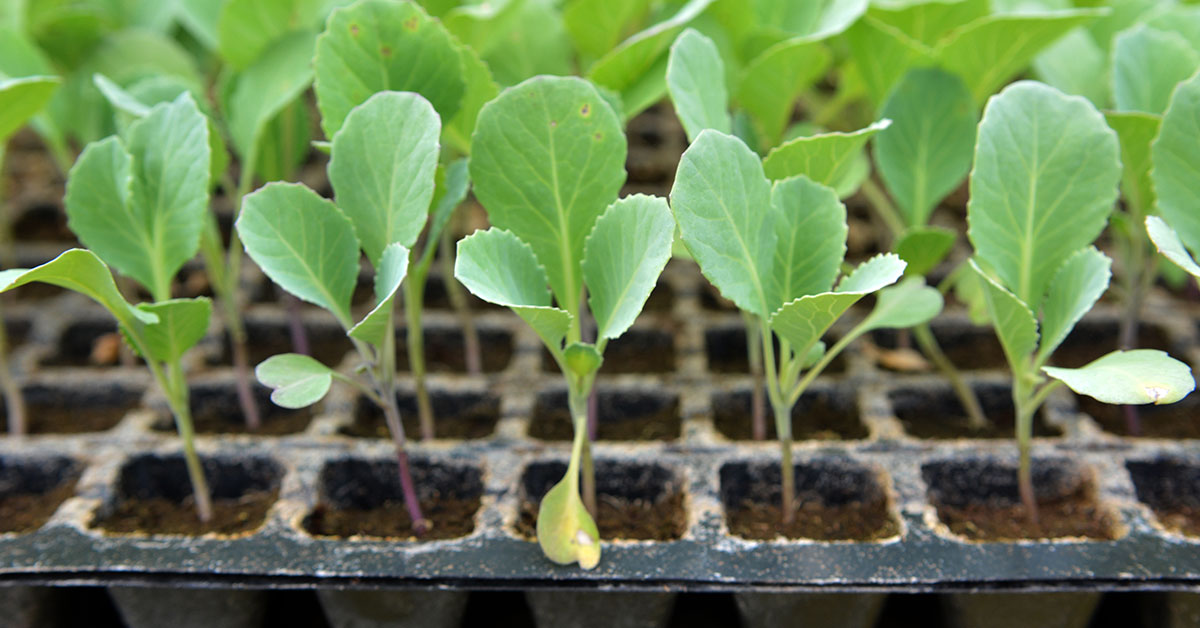
In Arkansas, the best time to plant cabbage is during the spring and fall seasons. For spring planting, it is recommended to start seeds indoors 6-8 weeks before the last expected frost date, which is typically around mid-March in zone 6 and late March to early April in zone 7. Transplanting seedlings outdoors can be done when the soil temperature reaches around 45 to 75°F (7-24°C).
For fall planting, start cabbage seeds indoors around mid-June to early July to allow for transplanting in late July or early August. This timing ensures that the cabbage heads will mature before the first frost in fall.
When planting cabbage, it is important to choose a location with well-drained soil that receives full sun or partial shade. Cabbage plants prefer fertile soil with a pH level between 6.0 and 6.5. Prior to planting, amend the soil with organic matter such as compost to improve its fertility and drainage.
When transplanting cabbage seedlings, space them around 12-18 inches apart in rows that are 2-3 feet apart. Cabbage requires consistent moisture, so regular watering is essential, especially during hot and dry periods. Apply a layer of organic mulch around the plants to help retain moisture, suppress weed growth, and regulate soil temperature.
To protect cabbage plants from common pests like cabbage worms and aphids, consider using organic pest control methods such as floating row covers, handpicking pests, or applying natural insecticides.
Harvesting cabbage can generally be done 70-100 days after transplanting, depending on the variety. The heads should be firm and compact, with leaves tightly wrapped around the center. To harvest, cut the cabbage head off at the base, leaving a few outer leaves intact to help protect the remaining plant.
By following these guidelines and paying attention to the specific weather and climate conditions of your area, you can successfully grow cabbage in Arkansas and enjoy fresh, homegrown produce.
When to harvest Cabbage in Arkansas
The optimal time to harvest cabbage in Arkansas is typically in the late spring or early summer. Cabbage is a cool-season crop and should be harvested when the heads are firm and fully developed. This usually occurs around 70 to 90 days after transplanting or when the heads reach a size of 6 to 8 inches in diameter. Keep in mind that weather conditions and specific varieties can affect the exact harvest time, so it’s always best to monitor your plants closely and harvest when the heads have reached their desired size and firmness.
Other considerations
When growing cabbage in Arkansas, there are several important considerations to keep in mind:
- Climate: Arkansas has a humid subtropical climate, with hot and humid summers and mild winters. Cabbage prefers cool temperatures for optimal growth, so it is important to choose the right time to plant. Cabbage can be grown as a spring or fall crop in Arkansas, as the temperatures during these seasons are more suitable.
- Soil: Cabbage prefers well-drained, fertile soil with a pH level between 6.0 and 7.5. Before planting, it is advisable to amend the soil with organic matter, such as compost or well-rotted manure, to improve its fertility and drainage.
- Sunlight: Cabbage requires full sun exposure to thrive. Make sure to choose a location in your garden that receives at least 6-8 hours of direct sunlight each day.
- Watering: Cabbage plants need consistent moisture to grow properly. Water deeply and regularly, ensuring that the soil remains evenly moist. Avoid overwatering, as this can lead to root rot and other diseases.
- Pest and Disease Control: Cabbage is susceptible to a variety of pests and diseases, including cabbage worms, aphids, and clubroot. Implementing proper pest management practices, such as regular inspection, handpicking of pests, and using organic insecticides when necessary, can help control these issues. Crop rotation and proper sanitation can also help prevent diseases like clubroot.
- Fertilization: Cabbage is a heavy feeder and requires regular fertilization to promote healthy growth. Prior to planting, incorporate a balanced fertilizer into the soil according to the package instructions. Additionally, side-dress the plants with a nitrogen-rich fertilizer every 3-4 weeks during the growing season.
- Weed Control: Weeds can compete with cabbage for nutrients and water, so it is important to keep the garden bed weed-free. Mulching around the plants can help suppress weed growth and conserve soil moisture.
- Harvesting: Cabbage is typically ready for harvest 70-90 days after planting, depending on the variety. Harvest the heads when they are firm and solid, cutting them at the base of the plant. If you notice the heads cracking or splitting, it is an indication that they have been left in the ground for too long.
By considering these factors and providing proper care, you can successfully grow cabbage in Arkansas and enjoy a bountiful harvest.