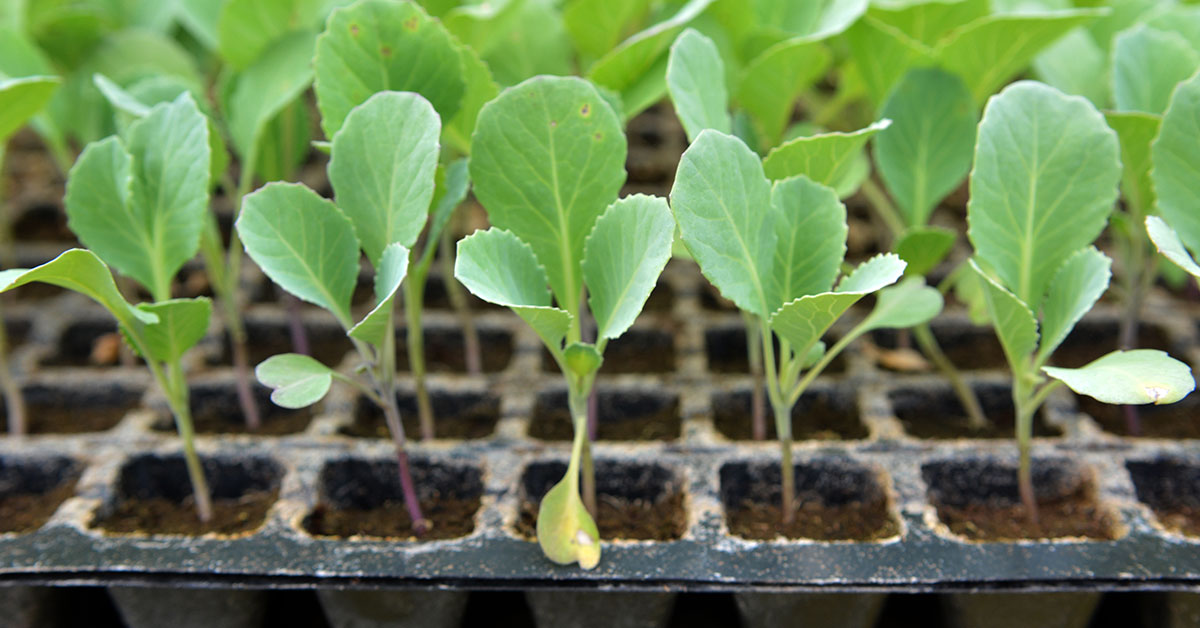

Are you an avid gardener in Arizona looking to grow your own cabbage? Well, look no further! In this comprehensive guide, we will explore the best time to plant cabbage in the unique climate of Arizona. With its hot and arid conditions, Arizona presents some challenges for gardeners, but with the right timing and techniques, you can still achieve a great harvest of cabbage in Arizona.
We will delve into the ideal planting window, taking into consideration the frost-free dates, temperature requirements, and seasonal considerations specific to the different regions of Arizona. So, grab your gardening tools and get ready to learn the secrets of successful cabbage cultivation in the Grand Canyon State!
Best cabbage varieties to grow in Arizona
In Arizona, where the climate is warm and dry, it’s important to choose cabbage varieties that can tolerate high temperatures and have a shorter growing season. Here are a few recommended cabbage varieties for Arizona:
- Golden Acre: This is a popular variety that matures relatively quickly, usually within 60 to 75 days. It produces medium-sized, round heads with tender and flavorful leaves.
- Early Jersey Wakefield: This variety is known for its early maturity, typically around 63 days. It produces small to medium-sized, conical heads that are crisp and sweet.
- Copenhagen Market: This cabbage variety is known for its heat tolerance and ability to resist bolting. It produces medium to large heads with a dense texture and mild flavor.
- Red Express: If you prefer red cabbage, Red Express is a good choice for Arizona. It has a relatively short maturity period of around 63 days and produces small to medium-sized, deep red heads.
- Stonehead: This variety is known for its compact size and resistance to splitting. It produces medium-sized, round heads with crisp leaves and a mild flavor.
Remember to provide adequate water and shade during the hottest parts of the day to help the cabbage plants thrive in Arizona’s arid climate.
When to plant Cabbage in Arizona
In Arizona, the state’s hardiness zones can vary due to its diverse climate and topography. The most commonly used hardiness zone map for Arizona is the USDA Hardiness Zone Map. This map divides the state into several zones based on average annual minimum temperatures. The zones range from 5a in the higher elevations, such as Flagstaff and the White Mountains, to 10a in the southern low desert areas, including Phoenix and Tucson.
When it comes to planting cabbage in Arizona, it’s important to consider the specific hardiness zone you are in. Cabbage is a cool-season crop that thrives in temperatures between 45°F and 75°F (7°C to 24°C). Therefore, it is best to plant cabbage in Arizona during the cooler months when temperatures are more favorable.
For gardeners in the low desert areas (Zone 9 and 10), the optimal time to plant cabbage is in the fall, typically from September to November. This allows the cabbage plants to establish and grow during the cooler months, avoiding the extreme heat of the Arizona summer. By planting in the fall, you can enjoy a bountiful cabbage harvest in winter or early spring.
In higher elevation areas (Zone 6, 7, and 8), such as Flagstaff or Prescott, the best time to plant cabbage is in the late spring or early summer, after the last frost date. This allows the plants to grow during the milder temperatures of summer, as the cooler temperatures may persist until late spring in these regions.
It is important to note that these timeframes can vary slightly depending on the specific microclimate of your garden, so it’s always a good idea to consult with local gardening resources or experienced gardeners in your area for more precise information.
Remember, cabbage requires well-drained soil, regular watering, and proper fertilization. Providing adequate sunlight and protecting the plants from pests, such as cabbage worms or aphids, will also contribute to a successful cabbage harvest in Arizona.
When to harvest Cabbage in Arizona
In Arizona, the optimal time to harvest cabbage is typically in the late fall or early winter. Cabbage plants require cool temperatures for ideal growth and flavor development. Planting cabbage in late summer or early fall allows it to mature during the cooler months, which results in sweeter and crisper heads. Harvesting cabbage when the heads are firm and compact, with tightly wrapped leaves, is important for the best taste and texture. Keep in mind that specific harvest times may vary slightly depending on the variety of cabbage you are growing and the specific conditions in your garden.
Other considerations
When growing cabbage in Arizona, there are a few additional considerations to keep in mind:
- Temperature: Cabbage prefers cooler temperatures, so it may be challenging to grow in the hot Arizona climate. Consider planting cabbage during the cooler months, such as fall or early spring. Providing shade or using shade cloth can help protect the plants from excessive heat.
- Watering: Cabbage requires consistent moisture, especially during its early growth stages. However, it is essential to avoid overwatering, as cabbage plants can be susceptible to fungal diseases. Ensure the soil is well-drained and water deeply but infrequently to encourage deep root growth.
- Soil: Cabbage thrives in fertile, well-draining soil with a pH between 6.0 and 7.5. In Arizona, where soils may be sandy or contain high levels of clay, it is beneficial to amend the soil with organic matter, such as compost or well-rotted manure, to improve its moisture-retaining capacity and nutrient content.
- Pest control: Cabbage is susceptible to a variety of pests, such as aphids, cabbage loopers, and cabbage worms. Monitor your plants regularly and take appropriate measures, such as handpicking pests, using insecticidal soap or organic insecticides, or employing row covers to protect the plants.
- Companion planting: Consider planting companion plants that can help deter pests or enhance cabbage’s growth. Some suitable companions for cabbage include onions, garlic, dill, and marigolds.
- Crop rotation: To avoid soil-borne diseases and pests, practice crop rotation by not planting cabbage or other brassicas in the same spot for consecutive years. Rotate cabbage with other vegetable families, such as legumes or nightshades, to maintain soil health.
- Nutrient management: Cabbage is a heavy feeder and requires adequate nutrients for optimal growth. Prior to planting, incorporate a balanced organic fertilizer or compost into the soil. Additionally, side-dress the plants with a nitrogen-rich fertilizer once they reach the mid-growth stage to promote healthy leaf development.
By considering these factors and adapting your gardening practices accordingly, you can increase your chances of successfully growing cabbage in Arizona.