
Are you an avid gardener in the beautiful state of Alaska, eager to grow your own fresh and delicious cabbage? Look no further, as we delve into the world of cabbage planting in the Last Frontier. With its short growing season and unique climate conditions, Alaska presents its own set of challenges and opportunities for gardeners. In this article, we will explore the best time to plant cabbage in Alaska, considering factors such as frost dates, temperature requirements, and daylight hours.
Whether you are a seasoned green thumb or just starting your gardening journey, this guide will provide you with valuable insights and practical tips to help you successfully grow and enjoy this versatile and nutritious vegetable in the Alaskan wilderness.
Best cabbage varieties to grow in Alaska
In Alaska, it is important to choose cabbage varieties that are cold-hardy and can tolerate the shorter growing season. Here are some good cabbage varieties for Alaska:
- Alcosa: This variety is known for its excellent cold tolerance and can be harvested relatively early. It produces medium-sized, round heads with a sweet flavor.
- January King: This cabbage variety has a unique appearance, with green outer leaves and purple inner leaves. It has good resistance to cold temperatures and produces large, firm heads.
- Farao: Farao is a versatile cabbage variety that performs well in cooler climates. It has a compact growth habit and produces medium-sized heads with a good flavor.
- Golden Acre: This variety is known for its early maturity and compact size, making it suitable for container gardening. It produces small to medium-sized heads with a mild flavor.
- Red Express: If you prefer red cabbage, Red Express is a good choice for Alaska. It has good cold tolerance and produces small to medium-sized, deep red heads.
- Kaitlin: Kaitlin is a relatively new cabbage variety that has gained popularity in colder regions. It has excellent disease resistance and produces medium-sized, round heads.
Remember to provide your cabbage plants with adequate sunlight, moisture, and nutrient-rich soil to ensure healthy growth. Additionally, consider using season extension techniques such as row covers or cold frames to protect your plants from frost and extend the growing season.
When to plant Cabbage in Alaska
In Alaska, the hardiness zones can vary significantly due to the state’s vast size and diverse climate. The state is generally divided into three major hardiness zones: Zone 1, Zone 2, and Zone 3.
Zone 1 is found in the northernmost parts of Alaska, including areas such as Barrow and Prudhoe Bay. These areas experience extremely cold temperatures and have a very short growing season. It is challenging to grow most vegetables, including cabbage, in Zone 1 due to the harsh conditions.
Zone 2 covers a large part of Alaska, including cities like Fairbanks and Anchorage. This zone experiences cold winters and relatively short summers. However, with proper care and protection, it is possible to grow certain vegetables in this zone, including cabbage.
Zone 3 is found in the southeastern parts of Alaska, including Juneau and Ketchikan. This zone has a milder climate compared to the other zones, with relatively warmer winters and longer growing seasons. It is easier to grow a wider variety of vegetables, including cabbage, in this zone.
Considering the varied hardiness zones in Alaska, the best time to plant cabbage will depend on your specific location. In Zone 1, cabbage should be started indoors around mid to late April and then transplanted outdoors around mid to late June, ensuring the soil has warmed up and there is no risk of frost.
In Zone 2, cabbage can be started indoors around mid to late March and transplanted outdoors in late May or early June. It is crucial to protect the young plants from late spring frosts, which are common in this zone.
In Zone 3, cabbage can be started indoors around mid to late February and transplanted outdoors in late April or early May. The longer growing season in this zone allows for earlier planting and potentially larger harvests.
When planting cabbage in Alaska, it’s important to choose varieties that are specifically bred for colder climates and have shorter maturity dates. These varieties are more likely to thrive in the challenging Alaskan conditions and produce successful crops.
Additionally, providing proper soil preparation, adequate irrigation, and protection from pests will greatly increase your chances of a successful cabbage harvest in Alaska. Consulting with local gardening experts or agricultural extension services can also provide valuable insights tailored to your specific location within the state.
When to harvest Cabbage in Alaska
The optimal time to harvest cabbage in Alaska is typically in late summer or early fall, around August or September. It is important to monitor the growth of the cabbage heads and harvest them when they reach their desired size and firmness. Additionally, keep an eye on the weather conditions, as frost can damage cabbage plants. If there is a risk of frost, it is advisable to harvest the cabbage a bit earlier.
Other considerations
When growing cabbage in Alaska, there are several additional considerations to keep in mind due to the unique climate and growing conditions. Here are some important factors to consider:
- Cold Tolerance: Cabbage is a cool-season crop, but Alaska’s climate can be extremely cold. It is essential to select cabbage varieties that are specifically bred for cold tolerance. Look for varieties that have a shorter maturity period to ensure they can grow and mature before the frost sets in.
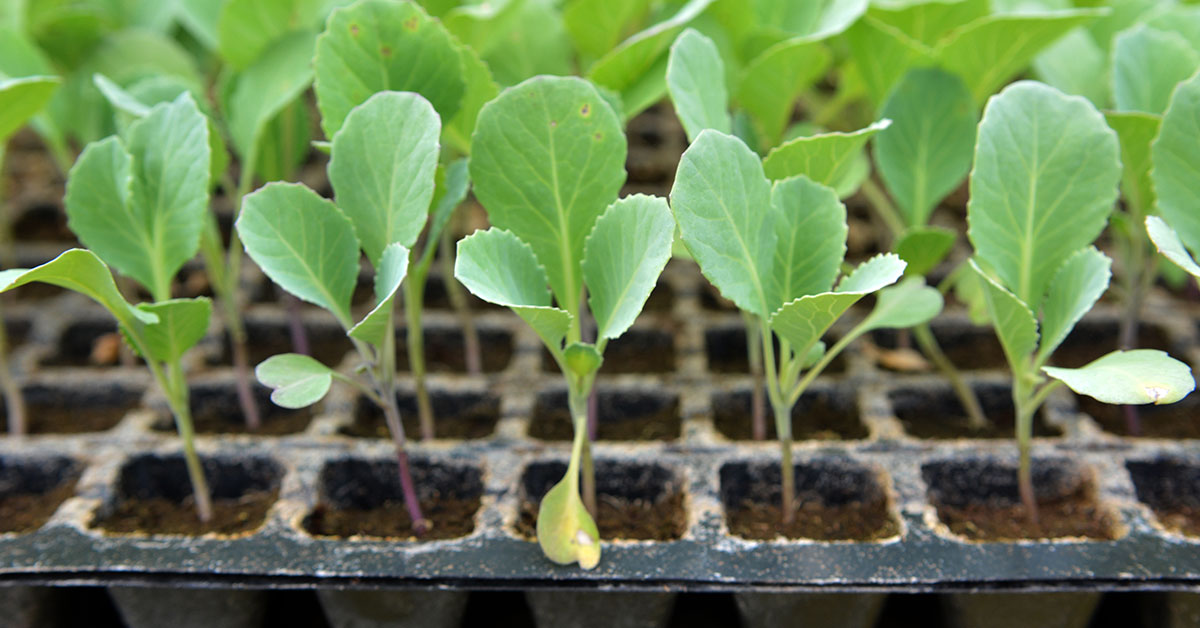
- Start Indoors: To give your cabbage plants a head start, start them indoors 4-6 weeks before the last expected frost date. Use seedling trays or pots with a good-quality seed starting mix. This will allow you to control the temperature and provide the plants with optimal growing conditions.
- Transplant Carefully: When transplanting cabbage seedlings outdoors, ensure that the soil is well-prepared and free of any frost. Be gentle while handling the seedlings, as they can be quite delicate. Plant them at the same depth they were growing in the seedling trays and provide adequate spacing between plants to allow for proper air circulation.
- Protect from Frost: As Alaska experiences a shorter growing season, it is crucial to protect your cabbage plants from late spring or early fall frosts. Consider using row covers, cloches, or cold frames to provide extra insulation and protect the plants from cold temperatures.
- Soil Preparation: Prior to planting, prepare the soil by adding organic matter such as compost or well-rotted manure. This will improve soil fertility, drainage, and moisture retention. Cabbage prefers slightly acidic soil with a pH between 6.0 and 6.8.
- Fertilization: Cabbage is a heavy feeder and requires regular fertilization. Apply a balanced fertilizer before planting and continue to feed the plants every 3-4 weeks throughout the growing season. Be cautious not to over-fertilize, as this can lead to excessive leaf growth and reduced head formation.
- Watering: Adequate and consistent moisture is essential for cabbage growth. Ensure that the plants receive at least 1 inch of water per week, either through rainfall or supplemental irrigation. Water deeply and avoid overhead watering, as wet foliage can promote disease development.
- Pest and Disease Management: Like in any other region, cabbage in Alaska can be susceptible to various pests and diseases. Common pests include cabbage worms, aphids, and flea beetles. Monitor your plants regularly and consider using organic pest control methods such as handpicking, companion planting, or insecticidal soaps. Proper crop rotation, good air circulation, and maintaining plant health can help prevent diseases such as clubroot and black rot.
By considering these factors and providing the necessary care, you can successfully grow cabbage in Alaska’s unique climate.