
Welcome to the world of gardening in Alabama! If you’re a cabbage lover or aspiring gardener looking to grow your own vegetables, you’re in the right place. Cabbage is a cool-season crop that thrives in the mild climate of Alabama. However, to ensure a successful harvest, it’s important to know the best time to plant cabbage in Alabama.
In this article, we will guide you through the ideal planting dates, taking into consideration the specific climate and growing conditions in Alabama. Whether you’re a seasoned gardener or a beginner, get ready to learn all about the optimal time to sow cabbage seeds and transplant seedlings, as well as some helpful tips to maximize your cabbage yield. So grab your gardening tools, and let’s get started on your cabbage-growing journey!
Best cabbage varieties to grow in Alabama
In Alabama, some good varieties of cabbage to consider are:
- Early Jersey Wakefield: This is an early-maturing variety that produces small to medium-sized heads. It has a sweet and tender flavor.
- Golden Acre: This variety produces round, medium-sized heads with a mild and sweet flavor. It is known for its excellent taste and good disease resistance.
- Stonehead: Stonehead cabbage is a compact variety with solid, dense heads. It has a good resistance to splitting and is suitable for both spring and fall planting.
- Red Express: If you prefer red cabbage, Red Express is a great choice. It has a beautiful deep purple color and a mild flavor. It is suitable for both fresh eating and cooking.
- Savoy King: Savoy King cabbage has crinkled, dark green leaves and a mild and sweet flavor. It is a good choice for making coleslaw or steaming.
These varieties have proven to perform well in Alabama’s climate and are readily available in most garden centers or through seed catalogs. Remember to select varieties that are suitable for the specific season you plan to grow them in, as cabbage can be grown in both spring and fall in Alabama.
When to plant Cabbage in Alabama
In Alabama, the hardiness zones range from 6a to 8a, which means the state experiences a mild winter climate. This information is essential for gardeners as it helps determine the best time to plant different crops.
When it comes to cabbage, it is a cool-season vegetable that thrives in cooler temperatures. The best time to plant cabbage in Alabama is during the fall or early spring. In the fall, you can start planting cabbage as early as mid-September. This allows the plants to establish before the cooler weather sets in. By planting in the fall, you can enjoy a harvest before the arrival of the coldest winter months.
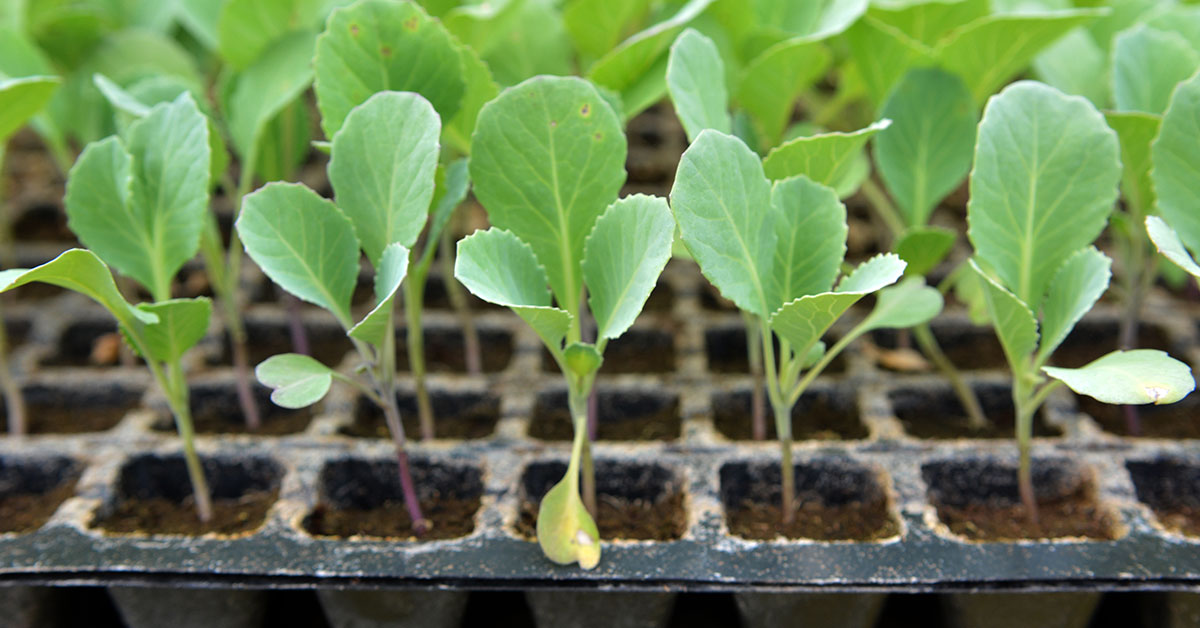
For spring planting, it is advisable to start sowing cabbage seeds indoors around 6-8 weeks before the last expected frost date, which is typically in late February or early March in Alabama. Once the seedlings have grown to a suitable size, they can be transplanted into the garden. It is important to note that cabbage is a cool-season crop, and it may not tolerate the intense heat of summer. Therefore, it is crucial to plan your planting times accordingly.
When planting cabbage, make sure to choose a sunny spot in your garden with well-draining soil. Cabbage plants require consistent moisture, so regular watering is necessary, especially during dry periods. Additionally, incorporating organic matter into the soil before planting can help enhance its fertility and drainage.
Remember to monitor your cabbage plants closely for any signs of pests or diseases. Cabbage is susceptible to certain pests like cabbage worms and aphids, as well as diseases such as clubroot and black rot. Good garden hygiene practices, like crop rotation and proper sanitation, can help minimize these issues.
By following these guidelines and being mindful of the hardiness zones and seasonal requirements of cabbage, you can have a successful harvest and enjoy fresh, homegrown cabbage in Alabama.
When to harvest Cabbage in Alabama
The optimal time to harvest cabbage in Alabama is typically in the late spring or early summer, around 70-90 days after transplanting. Cabbage is a cool-season crop, so it is important to harvest before the heat of summer sets in. Look for firm heads that feel solid when squeezed, with outer leaves that are still green and crisp. If the heads start to crack or split, it’s a sign that they have matured and should be harvested as soon as possible.
Other considerations
When growing cabbage in Alabama, there are several other considerations to keep in mind:
- Planting time: Cabbage is a cool-season crop that prefers temperatures between 45-75°F. In Alabama, it is best to plant cabbage in early spring or fall, as the summers can be hot and humid. Planting in early spring allows the plants to mature before the heat sets in, while fall planting takes advantage of cooler temperatures.
- Soil preparation: Cabbage prefers well-draining, fertile soil with a pH between 6.0 and 6.8. Before planting, amend the soil with organic matter like compost or well-rotted manure to improve its fertility and drainage. It is also beneficial to perform a soil test to determine any nutrient deficiencies and adjust accordingly.
- Sun exposure: Cabbage requires at least 6 hours of direct sunlight daily for optimal growth. Ensure that your garden plot receives adequate sunlight throughout the day to promote healthy plant development.
- Watering: Cabbage plants need consistent moisture to thrive. Adequate irrigation is particularly crucial during dry spells or when temperatures rise. Water the plants deeply, providing approximately 1-1.5 inches of water per week. However, be careful not to overwater, as cabbage can be prone to root rot.
- Mulching: Applying a layer of organic mulch around the base of the cabbage plants helps conserve moisture, regulate soil temperature, and suppress weed growth. Mulch also acts as a barrier between the soil and the cabbage heads, reducing the risk of disease.
- Pest and disease management: Cabbage can be susceptible to various pests and diseases, such as cabbage worms, aphids, and clubroot. Regularly inspect your plants for any signs of infestation or disease, and take appropriate measures, such as using insecticidal soaps or organic pest control methods. Crop rotation and good garden hygiene practices can also help prevent the buildup of pests and diseases.
- Harvesting: Cabbage is typically ready for harvest when the heads feel firm and tightly packed. Harvesting time varies based on the cabbage variety and growing conditions. It is best to harvest the heads before they split or bolt (when the flowers begin to form).
By considering these factors and providing proper care, you can increase your chances of growing healthy and delicious cabbage in Alabama.