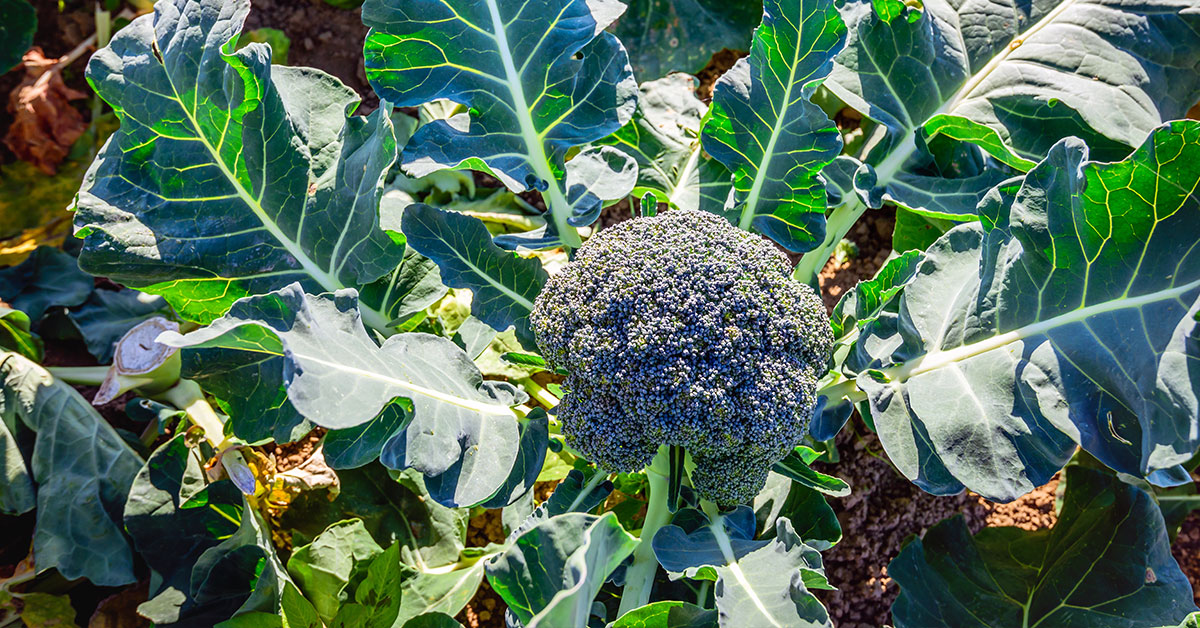

Growing broccoli in Colorado can be a rewarding experience, as the cool climate and long growing season make it ideal for production.
Broccoli is a hardy vegetable that can tolerate a wide range of temperatures and can produce heads up to 8 inches in diameter.
Colorado also boasts plenty of sunshine and fertile soil, both of which are necessary for successful broccoli cultivation.
When planting, it is important to choose the right variety for your area, as some varieties are better suited to cold weather while others thrive in warm climates.
With the right care and attention, you can enjoy fresh broccoli right from your own garden.
Gardening in Colorado
Gardening in Colorado can be a challenge due to its varied climate. Generally, the climate is dry and cold in winter, hot in summer, and mild in spring and fall. Colorado generally experiences its first frost in late September to early October and its last frost in late April to early May. The growing season in Colorado is usually between mid-May and mid-October.
Colorado’s climate can vary greatly from region to region and from year to year. Higher elevations tend to be cooler and wetter than lower elevations. In addition to variations in elevation, Colorado’s mountain ranges create a variety of microclimates. The western slopes of the Rockies tend to be warmer and drier than the eastern slopes.
Colorado’s climate is ideal for growing a variety of vegetables and fruits, including tomatoes, potatoes, corn, lettuce, squash, peppers, and many more. While some vegetables and fruits can be planted in early spring, most should be planted after the last frost. Colorado’s climate also provides a good environment for many types of flowers and trees.
Popular varieties of broccoli in Colorado
There are several popular broccoli varieties that gardeners enjoy growing due to their unique characteristics, taste, and adaptability. Here are some favorites:
- Calabrese: Originating from Italy, Calabrese is a popular heirloom variety known for its large, dark green heads and tender stalks. This variety is adaptable to various growing conditions and has a delicious, mild flavor.
- Green Goliath: Green Goliath is a versatile and high-yielding variety that produces large, dome-shaped heads with tightly packed florets. It is heat-tolerant and known for its ability to produce multiple side shoots after the main head is harvested, extending the harvest period.
- Waltham 29: This cold-hardy variety is perfect for gardeners in cooler climates. Waltham 29 produces medium-sized, blue-green heads with a mild flavor. It is known for its excellent cold tolerance and ability to withstand light frosts.
- Purple Sprouting: An eye-catching variety, Purple Sprouting broccoli produces numerous small, purple-tinged florets on multiple stems. It has a slightly sweeter taste compared to other varieties and adds a pop of color to the garden and the dinner plate.
- Romanesco: This unique variety is known for its striking, light green, spiraled head, resembling a natural fractal pattern. Romanesco has a delicate, nutty flavor and a firmer texture compared to traditional broccoli varieties. It is best grown in cooler climates, as it requires a longer growing season.
- Belstar: A hybrid variety, Belstar produces medium-sized, blue-green heads with a mild flavor. This variety is known for its uniform growth and strong disease resistance, making it a popular choice for gardeners seeking a reliable broccoli plant.
- Packman: Packman is a fast-growing variety that produces compact, dark green heads. It is popular for its early maturity, usually ready for harvest within 50-60 days after transplanting, and its ability to produce a good yield in a shorter growing season.
By selecting a broccoli variety that suits your specific gardening needs and climate, you can enjoy a successful and bountiful harvest of this nutritious and versatile vegetable.
When to plant broccoli seeds in Colorado
The ideal time to start broccoli seeds indoors in Colorado is 6-8 weeks before the last expected frost date in your area. This allows the seedlings to grow strong and develop a robust root system before being transplanted outdoors. Knowing the average last frost date for your region is crucial for determining the best time to start your seeds. In Colorado, your final frost in the spring usually takes place around:
- Zone 3: Around May 15th
- Zone 4: Around May 12th
- Zone 5: Around April 30th
- Zone 6: Around April 21st
- Zone 7: Around April 3rd
Caring for broccoli seedlings is pretty easy, just follow this simple guide on the process:
- Choose the right container: Start your broccoli seeds in clean, well-draining containers. You can use seedling trays, peat pots, or even repurposed yogurt cups with drainage holes poked in the bottom. Fill the containers with a high-quality, well-draining seed-starting mix or potting soil.
- Plant seeds: Sow the broccoli seeds about 1/4 inch deep and cover them lightly with soil. Place the containers in a warm location, ideally between 65-75°F (18-24°C), as broccoli seeds germinate best in these temperatures. You can use a heat mat to maintain a consistent temperature if necessary.
- Provide light: Once the seeds have germinated, which usually takes 5-10 days, move the containers to a well-lit area, such as a sunny windowsill or under grow lights. Ensure the seedlings receive at least 6-8 hours of light daily. If using grow lights, keep them 3-4 inches above the seedlings and raise them as the plants grow.
- Water consistently: Keep the soil consistently moist but not waterlogged. Overwatering can lead to damping off, a fungal disease that can kill seedlings. Use a spray bottle or gently water the base of the seedlings to avoid disturbing the delicate roots.
- Fertilize: After the seedlings have developed their first set of true leaves, begin fertilizing them with a diluted, balanced liquid fertilizer. Apply the fertilizer every 2-3 weeks, following the package instructions for the appropriate dilution rate.
- Thin and transplant: As the seedlings grow, thin them out by removing the weakest ones, leaving the strongest to continue growing. This ensures that each remaining seedling has adequate space and resources. If you started your seeds in small cells or containers, transplant the seedlings into larger pots once they have 2-4 true leaves, to allow for continued growth.
- Harden off seedlings: Before transplanting your broccoli seedlings outdoors, acclimate them to the outdoor environment by gradually exposing them to outdoor conditions for 7-10 days. Start with a few hours of indirect sunlight, gradually increasing their exposure to direct sunlight and cooler nighttime temperatures.
When to plant broccoli outdoors
Knowing the exact timing for planting broccoli outdoors in Colorado is important for getting the best harvest. Too early and you may lose your plants to frost. Too late and you might not get a very good crop.
You should plant broccoli plants outdoors when the soil temperature is consistently above 45°F (7°C) and the danger of frost has passed. The final frost date in Colorado are:
- Zone 3: Around May 15th
- Zone 4: Around May 12th
- Zone 5: Around April 30th
- Zone 6: Around April 21st
- Zone 7: Around April 3rd
Before transplanting your broccoli seedlings outdoors, make sure to harden them off by gradually exposing them to outdoor conditions for 7-10 days. This process will help the plants acclimate to the outdoor environment and reduce transplant shock.
Caring for broccoli
Once you’ve planted your broccoli outdoors, it’s important to care for them properly! This guide will outline essential care tips for your broccoli plants to ensure a healthy, bountiful harvest once they are planted outdoors.
- Plant Spacing and Location: Choose a location with full sun to light shade for your broccoli plants, as they require at least 6-8 hours of sunlight per day. Space your plants approximately 18-24 inches apart in rows that are about 36 inches apart. This ensures proper air circulation and minimizes the risk of diseases.
- Soil Preparation: Broccoli thrives in well-draining, fertile soil with a pH between 6.0 and 7.0. Amend your soil with organic matter such as compost or well-aged manure before planting to improve fertility and drainage.
- Watering: Keep the soil consistently moist, but not waterlogged. Broccoli plants require approximately 1-1.5 inches of water per week. Water the plants at the base to prevent wetting the foliage, which can encourage diseases.
- Mulching: Apply a 2-3 inch layer of organic mulch around your broccoli plants to help conserve moisture, regulate soil temperature, and suppress weeds. Mulch options include straw, grass clippings, or shredded leaves.
- Fertilizing: Apply a balanced, slow-release fertilizer at planting time, following package instructions for application rates. Side-dress with a nitrogen-rich fertilizer about 4-6 weeks after transplanting to encourage strong, healthy growth.
- Pest and Disease Management: Monitor your plants for signs of pests such as aphids, cabbage worms, and flea beetles, as well as diseases like downy mildew and clubroot. Use integrated pest management (IPM) strategies, such as introducing beneficial insects, using floating row covers, or applying organic pesticides when necessary.
- Support: Some broccoli varieties may require support, especially if they produce large, heavy heads. Use stakes or tomato cages to help support the plants and prevent them from toppling over.
By following these care tips, you will be well on your way to enjoying a healthy and productive broccoli harvest from your garden.
When to harvest broccoli in Colorado
You should plan to harvest broccoli when the heads are firm, compact, and dark green, before the individual florets start to separate or turn yellow. This is typically when the head reaches its maximum size, which varies depending on the variety. It is crucial to monitor the development of the broccoli head closely, as it can transition from being ready to harvest to over-mature very quickly.
To harvest broccoli, follow these steps:
- Choose the right time: Harvest broccoli during the cooler part of the day, ideally in the morning, to ensure the best quality and flavor. This helps retain the maximum amount of nutrients and prevents wilting.
- Use a sharp knife or garden shears: Cut the main head with a clean, sharp knife or garden shears to minimize damage to the plant. Make a clean, diagonal cut about 5-6 inches below the head, leaving a few inches of stem attached to the head. This angled cut helps prevent water from pooling on the cut stem, reducing the risk of disease or rot.
- Harvest side shoots: After the main head has been harvested, many broccoli varieties will continue to produce smaller side shoots. Monitor the plant for the development of these shoots and harvest them when they are firm and dark green, using the same technique as for the main head.
- Handle with care: After harvesting, handle the broccoli gently to avoid bruising or damaging the delicate florets. Rinse the head thoroughly in cool water to remove any dirt or pests, and either use it immediately or store it in the refrigerator for up to a week.