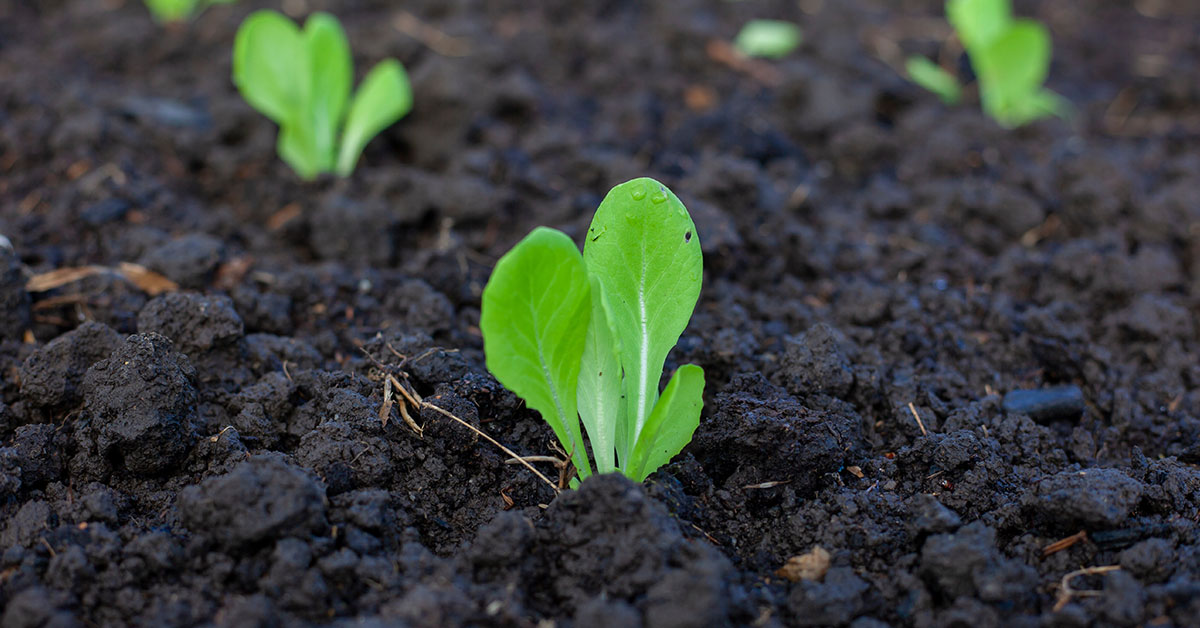

When it comes to growing Bok choy in New Zealand, timing is crucial for a successful harvest. Bok choy, also known as Chinese cabbage, is a popular leafy green vegetable that thrives in the cool climate of New Zealand. With its mild and crisp flavor, Bok choy has become a staple in many Kiwi kitchens. However, to ensure optimal growth and yield, it is essential to plant Bok choy at the right time. In this article, we will explore the ideal planting season for Bok choy in New Zealand, taking into account the country’s diverse climate and regional variations.
Whether you are a seasoned gardener or a beginner looking to try your hand at growing Bok choy, understanding the best time to sow seeds or transplant seedlings will set you on the path to a bountiful harvest.
Best varieties of Bok choy to grow in New Zealand
In New Zealand, there are several varieties of bok choy that grow well in our conditions. Here are a few popular choices:
- Shanghai Bok Choy (Brassica rapa subsp. chinensis): This is the most common variety of bok choy grown in New Zealand. It has dark green leaves and thick, white stems. Shanghai bok choy is known for its mild flavor and tender texture.
- Joi Choi Bok Choy (Brassica rapa subsp. chinensis ‘Joi Choi’): This variety is a hybrid that has gained popularity in recent years. It has large, glossy green leaves and thick, succulent stems. Joi Choi bok choy is known for its excellent heat tolerance and resistance to bolting.
- Baby Bok Choy (Brassica rapa subsp. chinensis ‘Pak Choi’): Baby bok choy is a smaller variety of bok choy with tender, mild-flavored leaves and thin, delicate stems. It is quick-growing and can be harvested at a young age. This variety is well-suited for stir-frying and steaming.
- Tatsoi (Brassica rapa subsp. narinosa): Although not technically a bok choy, tatsoi is a similar leafy green vegetable that is often grouped with bok choy. It has dark green, spoon-shaped leaves and a mild, mustard-like flavor. Tatsoi is cold-hardy and can be grown throughout the year in New Zealand.
When selecting bok choy varieties, it’s important to consider your specific growing conditions, such as climate, soil type, and available sunlight. Additionally, it’s always a good idea to check with local nurseries or gardening experts for recommendations tailored to your specific region in New Zealand.
When to plant Bok choy in New Zealand
The best time to plant Bok choy in New Zealand is during the cooler months, specifically in early spring or late summer/early autumn. Bok choy prefers cooler temperatures and can bolt (go to seed) quickly in hot weather. By planting in the cooler months, you can avoid this issue and ensure a successful harvest.
When to harvest Bok choy in New Zealand
Bok choy, also known as Chinese cabbage, can be harvested in New Zealand throughout the year, depending on the specific growing conditions and climate of your region. However, the ideal time to harvest bok choy is when the plants have reached maturity but before they start to bolt or flower.
In general, bok choy can be harvested around 6-8 weeks after sowing the seeds or around 4-6 weeks after transplanting seedlings. The exact timing may vary based on factors such as the variety of bok choy, weather conditions, and growing techniques.
To determine if your bok choy is ready for harvest, look for firm and compact heads with dark green leaves. The leaves should be crisp and tender, without any signs of wilting or yellowing. If the plant starts to elongate and the leaves become loose, it may be a sign that it is about to bolt, so it’s best to harvest it before that happens.
Remember to harvest bok choy by cutting the entire head at the base, rather than just picking individual leaves. This will encourage new growth and allow for a continuous harvest throughout the growing season.
Other considerations
When growing Bok choy in New Zealand, there are a few important considerations to keep in mind:
- Climate: Bok choy prefers cool weather and can tolerate light frosts. It grows best in temperatures between 10-25°C (50-77°F). In New Zealand, it is generally suitable to grow Bok choy in spring and autumn when temperatures are cooler.
- Soil: Bok choy thrives in well-draining soil that is rich in organic matter. Before planting, amend the soil with compost or well-rotted manure to improve fertility and drainage. The pH level should be slightly acidic to neutral, around 6.0-7.0.
- Sunlight: Bok choy requires at least 4-6 hours of direct sunlight daily for optimal growth. Choose a location in your garden that receives adequate sunlight throughout the day.
- Watering: Bok choy needs consistent moisture to grow well. Water regularly to keep the soil evenly moist, but avoid overwatering, as it can lead to root rot. Mulching around the plants can help retain moisture and prevent weed growth.
- Fertilization: Bok choy is a heavy feeder and benefits from regular fertilization. Apply a balanced organic fertilizer or a slow-release granular fertilizer at planting time. Additionally, you can side-dress the plants with compost or a nitrogen-rich fertilizer during the growing season.
- Pest and disease control: Bok choy is susceptible to common garden pests such as aphids, cabbage worms, and slugs. Regularly inspect your plants for any signs of infestation and take appropriate measures such as handpicking, using organic insecticides, or employing physical barriers like netting. Proper spacing and good air circulation can also help prevent diseases like powdery mildew.
- Harvesting: Bok choy is ready to harvest when the leaves are full-sized but still tender. Harvest the outer leaves first, leaving the inner leaves to continue growing. Cut the leaves at the base of the plant, or you can harvest the entire plant if needed.
By considering these factors, you can successfully grow Bok choy in New Zealand and enjoy a bountiful harvest.