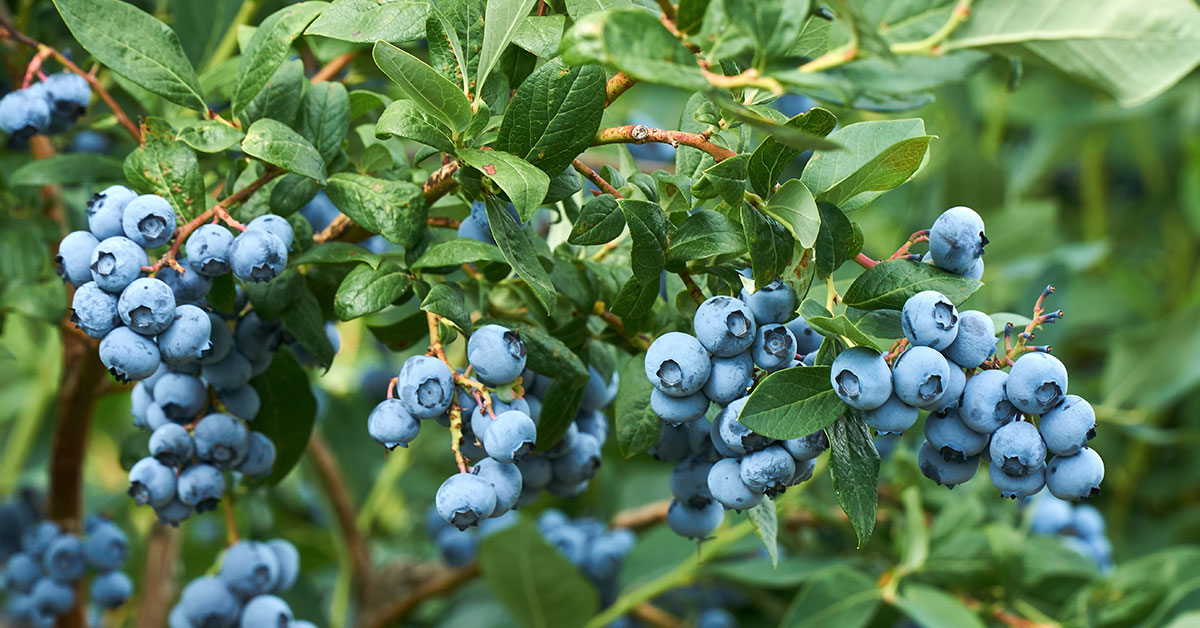

Welcome to the world of blueberries in Zone 9! If you’re a gardening enthusiast residing in this region, you’re in luck because growing blueberries can be a rewarding and fruitful experience. Zone 9, which encompasses areas with mild winters and hot summers, provides an ideal climate for these delicious and nutritious berries. However, to ensure a successful harvest, it’s crucial to understand the optimal timing for planting blueberries in this zone.
In this article, we will delve into the best time to plant blueberries in Zone 9, considering the unique climatic conditions and specific requirements of these delightful plants. So, get ready to embark on a journey of blueberry cultivation, as we guide you through the perfect timing to start your very own blueberry patch in Zone 9.
Best blueberries to grow in Zone 9
In Zone 9, it can be a bit challenging to grow blueberries because they prefer cooler temperatures. However, there are a few blueberry varieties that can tolerate the warmer conditions of Zone 9. Here are a few options:
- Southern Highbush Blueberries: These varieties are specifically bred to tolerate warmer climates. Some popular Southern Highbush varieties for Zone 9 include ‘Misty’, ‘Sunshine Blue’, and ‘Sharpblue’. They require less chill hours compared to other blueberry varieties.
- Rabbiteye Blueberries: Rabbiteye blueberries are native to the southeastern United States and are well-suited for warmer climates. They can tolerate the heat and humidity of Zone 9. Popular Rabbiteye varieties for Zone 9 include ‘Climax’, ‘Premier’, and ‘Tifblue’.
- Half-High Blueberries: Half-high blueberries are a cross between highbush and lowbush blueberries, making them more adaptable to a wider range of climates. They tend to be more cold-hardy than Southern Highbush varieties but can also tolerate warmer temperatures. ‘Northcountry’ and ‘Northblue’ are two popular half-high blueberry varieties.
It’s important to note that even with these heat-tolerant varieties, blueberries in Zone 9 may still require some extra care to protect them from excessive heat and sun exposure. Providing shade during the hottest part of the day and ensuring they receive adequate water and soil moisture can help them thrive in warmer climates.
When to plant blueberries in Zone 9
In Zone 9, the best time to plant blueberries is in the late fall or early winter, typically from November to February. This is because blueberries require a period of dormancy during the colder months to properly establish their root systems before the growing season begins. Planting during this time allows the blueberry plants to settle in and establish themselves before the warmer spring and summer months.
For other hardiness zones in the United States, here are the recommended planting times for blueberries:
- Zone 3: Blueberries can be planted in early spring, as soon as the ground is workable. This is typically from April to May.
- Zone 4: Similar to Zone 3, blueberries can be planted in early spring, from April to May.
- Zone 5: Blueberries can be planted in early spring, from April to May, or in the fall, from September to October.
- Zone 6: Blueberries can be planted in early spring, from April to May, or in the fall, from September to October.
- Zone 7: Blueberries can be planted in early spring, from April to May, or in the fall, from September to October.
- Zone 8: Blueberries can be planted in early spring, from April to May, or in the fall, from September to October.
- Zone 10: In Zone 10, where winters are mild, blueberries can be planted in the fall, from September to October, or in the early spring, from February to March.
It’s important to note that these are general guidelines, and local weather conditions can vary. It’s always a good idea to check with your local agricultural extension office or a reputable nursery for specific planting recommendations based on your location within each zone.
How to grow
Growing blueberries requires careful planning and attention to specific requirements. Here are the steps and considerations to keep in mind:
- Variety selection: Choose a blueberry variety that is well-suited to your climate and growing conditions. Consider factors such as chill hours, disease resistance, and desired fruit characteristics.
- Soil preparation: Blueberries prefer acidic soil with a pH between 4.5 and 5.5. Test your soil and amend it with organic matter like peat moss or pine needles to lower the pH if necessary. Ensure the soil is well-draining and rich in organic matter.
- Site selection: Blueberries need full sun for at least six hours a day. Choose a location with good air circulation and protection from strong winds. Avoid low-lying areas prone to frost or waterlogging.
- Planting: Plant blueberries in early spring or late fall when the soil is workable. Dig a hole twice as wide and deep as the root ball. Place the plant in the hole, ensuring the crown is level with or slightly above the soil surface. Backfill the hole with amended soil and water thoroughly.
- Mulching: Apply a layer of organic mulch, such as wood chips or pine needles, around the base of the plants. Mulch helps conserve moisture, suppress weeds, and maintain soil acidity.
- Watering: Blueberries require consistent moisture, especially during fruit development. Water deeply and regularly, aiming for 1-2 inches of water per week. Avoid overwatering, as blueberries are susceptible to root rot.
- Fertilizing: Blueberries have specific nutrient requirements. Apply a balanced, slow-release fertilizer formulated for acid-loving plants in early spring. Avoid excessive nitrogen, as it can lead to excessive vegetative growth and reduced fruiting.
- Pruning: Prune blueberries during late winter or early spring to remove dead, damaged, or diseased wood. Also, thin out crowded branches to improve airflow and light penetration. Pruning helps maintain plant health, productivity, and shape.
- Pest and disease management: Blueberries can be susceptible to pests like birds, aphids, mites, and fruit flies. Monitor your plants regularly and take appropriate measures like netting, insecticidal soap, or organic pest control methods. Common diseases include powdery mildew, mummy berry, and root rot. Proper sanitation, good airflow, and disease-resistant varieties can help prevent and manage these issues.
- Harvesting: Blueberries are ready for harvest when they turn fully blue and easily detach from the stem. Harvesting time varies depending on the variety and local climate. Pick the berries gently to avoid damaging the plant or fruit.
Remember, blueberries are perennial plants that take a few years to establish and reach full productivity. With proper care and attention, you can enjoy a bountiful harvest for many years to come.
When to harvest
In Zone 9, blueberries typically ripen and are ready for picking in late spring to early summer, usually around May to June. However, the exact timing can vary depending on the specific variety of blueberry you are growing and the prevailing weather conditions in your area. It is important to monitor the berries closely for signs of ripeness, such as their color changing from green to a deep blue or purple hue, and their firmness. Taste testing a few berries can also help determine if they are sweet and flavorful.
Common blueberry problems and fixes
Common problems when growing blueberries include:
- Soil pH: Blueberries prefer acidic soil with a pH between 4.5 and 5.5. If the soil pH is too high, blueberries may suffer from nutrient deficiencies, such as iron chlorosis. To fix this, amend the soil with elemental sulfur or acidic organic matter like peat moss to lower the pH.
- Poor drainage: Blueberries require well-draining soil to prevent root rot. If the soil retains too much water, it can lead to root suffocation and disease. Improve drainage by adding organic matter like compost or sand to the soil.
- Insufficient pollination: Blueberries need proper pollination to set fruit. If you notice poor fruit set, it may be due to a lack of pollinators. Encourage pollinators like bees by planting flowers nearby or consider hand-pollinating the flowers using a small brush.
- Bird damage: Birds are notorious for eating blueberries. To protect your crop, use bird netting or install scare devices like reflective tape or wind chimes to deter them.
- Nutrient deficiencies: Blueberries have specific nutrient requirements, and deficiencies can lead to stunted growth, yellowing leaves, and poor fruit production. Conduct a soil test to determine nutrient deficiencies and amend the soil accordingly with organic fertilizers or specific blueberry fertilizers.
- Pest infestations: Common pests that attack blueberries include aphids, mites, fruit flies, and blueberry maggots. Monitor your plants regularly and use organic pest control methods like insecticidal soaps, neem oil, or introducing beneficial insects to control pest populations.
- Disease susceptibility: Blueberries can be susceptible to diseases like powdery mildew, mummy berry, and root rot. To prevent these diseases, ensure proper air circulation, avoid overhead watering, and remove any infected plant material. Fungicides may be necessary in severe cases.
Remember, different blueberry varieties may have specific requirements and susceptibilities, so it’s essential to choose varieties suitable for your climate and soil conditions. Regular monitoring, proper care, and timely interventions will help ensure a successful blueberry harvest.