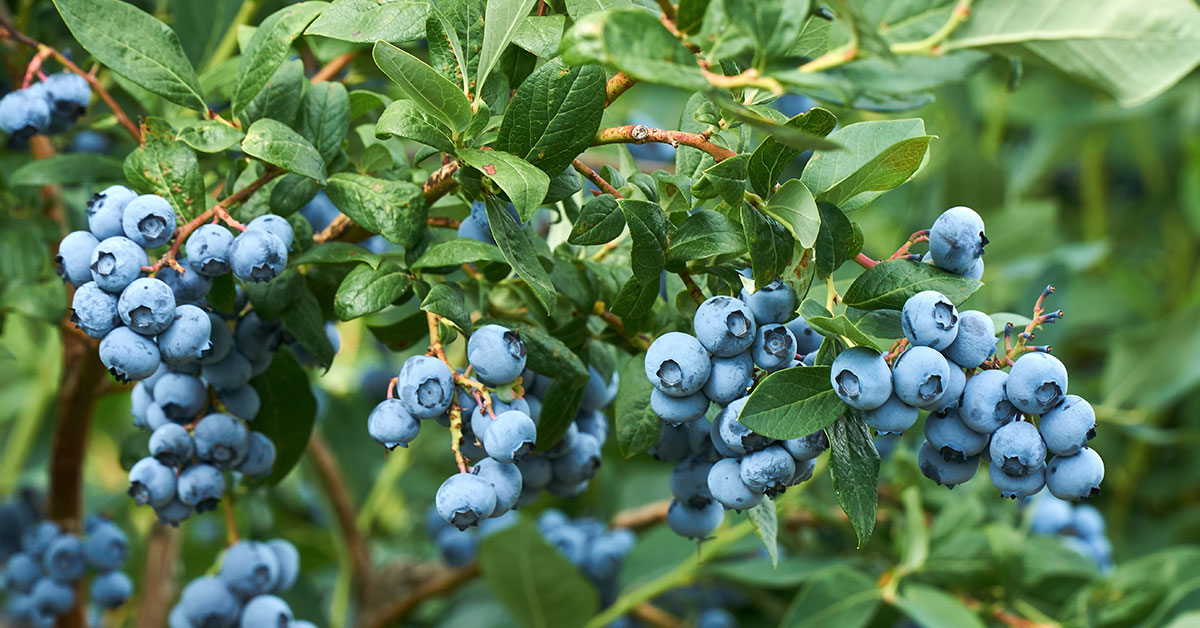

Welcome to the world of blueberries in Zone 8! If you’re a gardening enthusiast living in this region, you’re in luck because blueberries thrive in the mild climate and fertile soil found here. But before you dive into planting these delicious and nutritious berries, it’s crucial to understand the optimal timing for their cultivation.
In this article, we will explore the best time to plant blueberries in Zone 8, taking into account the unique characteristics of this zone and the specific needs of blueberry plants. Whether you’re a seasoned gardener or a beginner, this guide will equip you with the knowledge to successfully grow blueberries and enjoy a bountiful harvest for years to come.
Best blueberries to grow in Zone 8
In Zone 8, both highbush blueberries (Vaccinium corymbosum) and southern highbush blueberries (Vaccinium corymbosum hybrids) can be successfully grown. These varieties are well-suited to the climate and temperature conditions of Zone 8. Some popular highbush blueberry cultivars for Zone 8 include ‘Bluecrop,’ ‘Jersey,’ ‘Elliott,’ and ‘Duke.’ For southern highbush blueberries, varieties like ‘Misty,’ ‘Sunshine Blue,’ ‘Sharpblue,’ and ‘Emerald’ are recommended. It’s important to select varieties that are specifically bred for your region to ensure optimal growth and fruit production.
When to plant blueberries in Zone 8
In Zone 8, the best time to plant blueberries is typically in the fall or early spring. However, it’s important to note that the specific timing can vary slightly depending on the state within Zone 8. Here are the recommended planting times for blueberries in each of the states within Zone 8:
- Alabama: In Alabama, the best time to plant blueberries is in the fall, ideally between late September and early November. This allows the plants to establish their root systems before the winter.
- Florida: In Florida, the best time to plant blueberries is in the late winter or early spring, typically between February and March. This timing allows the plants to establish themselves before the hot summer months.
- Georgia: In Georgia, the best time to plant blueberries is in the fall, between late September and early November. Planting in the fall allows the roots to establish before the winter dormancy period.
- Louisiana: In Louisiana, the best time to plant blueberries is in the fall, ideally between October and November. This timing allows the plants to establish their root systems before the winter.
- Mississippi: In Mississippi, the best time to plant blueberries is in the fall, between late September and early November. Planting in the fall allows the roots to establish before the winter dormancy period.
- South Carolina: In South Carolina, the best time to plant blueberries is in the fall, between late September and early November. This timing allows the plants to establish their root systems before the winter.
- Texas: In Texas, the best time to plant blueberries is in the late winter or early spring, typically between February and March. This timing allows the plants to establish themselves before the hot summer months.
It’s important to consider the specific climate and weather conditions in your area when determining the best time to plant blueberries. Additionally, it’s recommended to choose blueberry varieties that are well-suited to your specific region for optimal growth and productivity.
How to grow
Growing blueberries requires careful planning and attention to detail. Here are the steps and considerations to keep in mind:
- Variety Selection: Choose a blueberry variety that is well-suited for your climate and soil conditions. There are different types of blueberries, including highbush, lowbush, and rabbiteye. Consult with a local nursery or agricultural extension office to determine the best variety for your area.
- Site Selection: Blueberries thrive in acidic soil with a pH level between 4.5 and 5.5. Select a location with full sun exposure (at least 6-8 hours of direct sunlight per day) and good drainage. Avoid areas prone to frost pockets or strong winds.
- Soil Preparation: Blueberries prefer well-draining, organic-rich soil. Test the soil pH and amend it with organic matter, such as peat moss or compost, to lower the pH if necessary. Incorporate the amendments into the soil before planting.
- Planting: Blueberries are typically planted in early spring or fall. Dig a hole that is twice as wide and deep as the root ball of the plant. Place the plant in the hole, ensuring that the crown is level with the soil surface. Backfill the hole with soil, gently firming it around the roots. Water thoroughly after planting.
- Mulching: Apply a layer of organic mulch, such as wood chips or pine needles, around the base of the blueberry plants. Mulch helps conserve moisture, suppress weeds, and maintain a more acidic soil pH.
- Watering: Blueberries require consistent moisture, especially during the fruiting season. Water deeply but infrequently to encourage deep root growth. Avoid overwatering, as blueberries are susceptible to root rot. Use drip irrigation or soaker hoses to deliver water directly to the root zone.
- Fertilization: Blueberries have specific nutrient requirements. Apply a balanced, slow-release fertilizer formulated for acid-loving plants in early spring. Avoid over-fertilizing, as excessive nitrogen can lead to excessive vegetative growth and reduced fruit production.
- Pruning: Prune blueberry bushes during the dormant season to remove dead or damaged wood, improve airflow, and promote new growth. Remove any low-growing branches to maintain an open center and facilitate harvesting.
- Pest and Disease Management: Blueberries can be susceptible to pests like birds, aphids, mites, and fruit flies. Use bird netting to protect the berries and monitor for signs of pests or diseases. Consult with a local extension office for specific pest and disease management strategies in your area.
- Harvesting: Blueberries are ready for harvest when they turn fully blue and easily detach from the stem. Harvest the berries gently to avoid damaging the plant. Blueberries are best enjoyed fresh but can also be frozen or used in various culinary preparations.
Remember, growing blueberries is a long-term commitment. It may take a few years for the plants to establish and produce a significant harvest. With proper care and attention, you can enjoy a bountiful supply of delicious blueberries for years to come.
When to harvest
In Zone 8, blueberries are typically ready for picking in late spring to early summer, usually around May to June. The exact timing can vary depending on the specific variety of blueberry you are growing and the weather conditions in your area. It is best to monitor the color and firmness of the berries to determine when they are ripe for picking. Ripe blueberries will have a deep blue color and should be firm to the touch.
Common blueberry problems and fixes
Common problems when growing blueberries include:
- Soil pH: Blueberries require acidic soil with a pH between 4.5 and 5.5. If the soil is too alkaline, the plants may suffer from nutrient deficiencies. To fix this, you can amend the soil with elemental sulfur or use acidifying fertilizers.
- Nutrient deficiencies: Blueberries are sensitive to nutrient imbalances, particularly iron and manganese deficiencies. Symptoms include yellowing leaves with green veins. To address this, you can apply chelated iron or manganese sulfate to the soil.
- Poor drainage: Blueberries prefer well-drained soil. If the soil is too compacted or retains too much water, it can lead to root rot and other diseases. To improve drainage, you can add organic matter like compost or peat moss to the soil.
- Pests: Common pests that affect blueberries include aphids, spider mites, and fruitworms. Regularly inspect your plants for signs of infestation, and use organic insecticides or insecticidal soaps to control them.
- Diseases: Blueberries can be susceptible to diseases such as powdery mildew, botrytis blight, and root rot. To prevent these, ensure good air circulation around the plants, avoid overhead watering, and remove any infected plant material.
- Bird damage: Birds love to eat ripe blueberries, so protecting your plants with netting or scare devices can help prevent damage.
- Improper pruning: Blueberries require regular pruning to maintain their shape, remove dead wood, and promote new growth. Improper pruning can reduce fruit production. Follow proper pruning techniques and timing for your specific blueberry variety.
Remember to choose blueberry varieties that are well-suited to your climate and follow proper planting and care practices to maximize your chances of success.