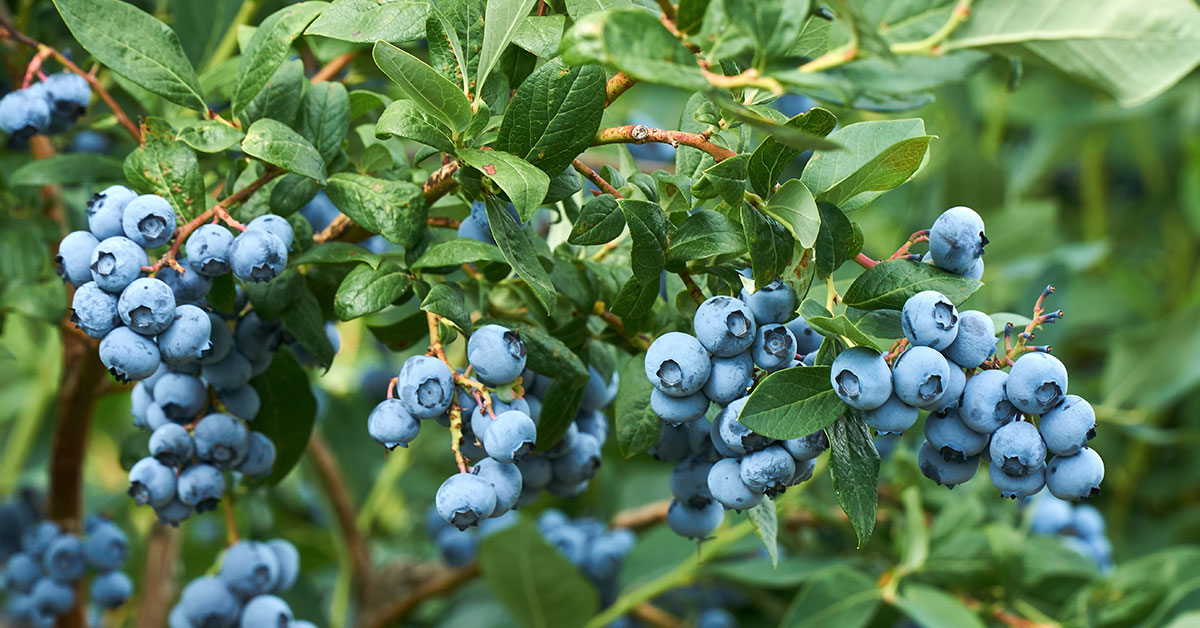

Welcome to our comprehensive guide on growing blueberries in Zone 5! If you’re a gardening enthusiast residing in this region, you’re in luck, as blueberries can thrive in the cool climate and acidic soil conditions found here. However, to ensure a successful harvest, it’s crucial to understand the optimal time for planting blueberries in Zone 5.
In this article, we will delve into the specific considerations and guidelines for selecting the right time to plant your blueberry bushes, taking into account the frost dates, soil conditions, and other essential factors that will contribute to the health and productivity of your blueberry plants. So, let’s get started and discover the ideal timing for planting blueberries in Zone 5!
Best blueberries to grow in Zone 5
In Zone 5, you have a few options for blueberry varieties that grow well. Some popular choices include:
- Northern Highbush Blueberries: These are the most common blueberries grown in Zone 5. Varieties like ‘Bluecrop,’ ‘Jersey,’ and ‘Patriot’ are known for their high yields and excellent flavor.
- Half-High Blueberries: These blueberries are a cross between Northern Highbush and Lowbush blueberries, making them more cold-tolerant. Varieties like ‘Northblue’ and ‘Northsky’ are suitable for Zone 5 and produce smaller, flavorful berries.
- Rabbiteye Blueberries: While primarily grown in warmer regions, some Rabbiteye blueberry varieties can tolerate Zone 5 climates. Varieties like ‘Tifblue’ and ‘Powderblue’ are known for their large, sweet berries.
When selecting blueberry varieties for Zone 5, it’s essential to consider factors like cold hardiness, disease resistance, and the number of chill hours required for the plants to produce fruit. It’s also a good idea to choose multiple varieties to ensure cross-pollination and maximize fruit production.
When to plant blueberries in Zone 5
In Zone 5, the best time to plant blueberries is in the early spring or late fall. However, it’s important to note that the specific timing may vary slightly depending on the state within Zone 5. Here are the recommended planting times for blueberries in each of the states within Zone 5:
- Illinois: Blueberries can be planted in early spring, typically around April, or in late fall, around October.
- Indiana: Similar to Illinois, blueberries should be planted in early spring or late fall, following the same timing guidelines.
- Iowa: Blueberries can be planted in early spring, usually in April, or in late fall, around October.
- Kansas: The best time to plant blueberries in Kansas is in early spring, typically in April, or in late fall, around October.
- Michigan: Blueberries should be planted in early spring, usually in April, or in late fall, around October.
- Minnesota: In Minnesota, it’s best to plant blueberries in early spring, typically in April, or in late fall, around October.
- Missouri: Blueberries can be planted in early spring, usually in April, or in late fall, around October.
- Nebraska: The recommended time to plant blueberries in Nebraska is in early spring, typically in April, or in late fall, around October.
- North Dakota: Blueberries should be planted in early spring, usually in April, or in late fall, around October.
- Ohio: In Ohio, it’s best to plant blueberries in early spring, typically in April, or in late fall, around October.
- South Dakota: Blueberries can be planted in early spring, usually in April, or in late fall, around October.
- Wisconsin: The recommended time to plant blueberries in Wisconsin is in early spring, typically in April, or in late fall, around October.
It’s important to consider the specific weather conditions and frost dates in your area when determining the best time to plant blueberries. Additionally, ensure that the soil is well-drained, acidic (pH between 4.5 and 5.5), and enriched with organic matter to provide optimal growing conditions for blueberries.
How to grow
Growing blueberries requires careful planning and attention to detail. Here are the steps and considerations to keep in mind:
- Variety selection: Choose blueberry varieties that are suitable for your climate and soil conditions. Some popular varieties include ‘Bluecrop,’ ‘Jersey,’ and ‘Duke.’ Consider factors like chill hours required, disease resistance, and flavor.
- Site selection: Blueberries thrive in acidic soil with a pH between 4.5 and 5.5. Select a sunny location with well-drained soil. Avoid areas prone to frost pockets or excessive wind exposure.
- Soil preparation: Test your soil’s pH and amend it if necessary. Blueberries prefer organic matter-rich soil. Incorporate compost, peat moss, or well-rotted pine bark into the planting area. Ensure good drainage by avoiding heavy clay soils.
- Planting: Blueberries are typically planted in early spring or late fall. Dig a hole twice as wide and deep as the root ball. Place the plant in the hole, making sure the crown is level with the soil surface. Backfill with soil, gently firming it around the roots. Space plants 4-6 feet apart in rows.
- Mulching: Apply a 2-4 inch layer of organic mulch, such as pine straw or wood chips, around the base of the plants. Mulch helps conserve moisture, suppress weeds, and maintain soil acidity.
- Watering: Blueberries require consistent moisture, especially during the fruiting season. Water deeply and regularly, aiming for 1-2 inches of water per week. Avoid overwatering, as blueberries are susceptible to root rot.
- Fertilizing: Blueberries have specific nutrient requirements. Apply a balanced, slow-release fertilizer formulated for acid-loving plants in early spring. Follow the manufacturer’s instructions for application rates. Avoid excessive nitrogen, as it can promote vegetative growth at the expense of fruit production.
- Pruning: Pruning is essential for blueberries to maintain vigor and productivity. Prune during late winter or early spring before new growth emerges. Remove dead, damaged, or diseased wood. Thin out crowded branches to improve airflow and light penetration. Consult specific pruning guidelines for your blueberry variety.
- Pest and disease management: Blueberries can be susceptible to pests like aphids, mites, and fruit flies, as well as diseases like powdery mildew and root rot. Monitor your plants regularly and take appropriate measures, such as using organic insecticides or fungicides, if necessary. Encourage beneficial insects and birds that feed on pests.
- Harvesting: Blueberries are ready for harvest when they turn fully blue and easily detach from the stem. Harvesting times vary depending on the variety and climate. Pick ripe berries gently to avoid damaging the delicate fruit.
By following these steps and considerations, you can successfully grow blueberries and enjoy a bountiful harvest.
When to harvest
In Zone 5, the ideal time to pick blueberries is typically in mid to late summer, usually between July and August. The exact timing can vary depending on the specific variety of blueberry you are growing and the local climate conditions. It’s important to monitor the color and firmness of the berries as they ripen. Blueberries are ready to be picked when they are fully blue, plump, and easily detach from the stem with a gentle tug.
Common blueberry problems and fixes
Common problems when growing blueberries include:
- Soil pH: Blueberries prefer acidic soil with a pH range of 4.5 to 5.5. If the soil pH is too high, blueberries may suffer from nutrient deficiencies. To fix this, you can amend the soil with elemental sulfur or use acidic fertilizers specifically formulated for blueberries.
- Nutrient deficiencies: Blueberries require specific nutrients, such as iron, manganese, and magnesium, to thrive. Deficiencies in these nutrients can lead to yellowing leaves or stunted growth. Applying a balanced fertilizer formulated for acid-loving plants can help address these deficiencies.
- Poor drainage: Blueberries prefer well-draining soil. If the soil is too compacted or retains too much moisture, it can lead to root rot or other fungal diseases. To improve drainage, you can add organic matter like compost or peat moss to the soil.
- Pests: Common pests that affect blueberries include aphids, mites, and fruitworms. Regularly inspect your plants for signs of infestation, such as distorted leaves or damaged fruits. Use organic insecticides or insecticidal soaps to control pests, or introduce beneficial insects like ladybugs or lacewings.
- Diseases: Blueberries can be susceptible to diseases like powdery mildew, botrytis blight, or root rot. To prevent these diseases, ensure good air circulation around the plants, avoid overhead watering, and remove any infected plant material. Fungicides may be necessary for severe cases.
- Bird damage: Birds are notorious for eating blueberries. To protect your crop, you can use bird netting or scare devices like reflective tape or fake predators.
- Improper pruning: Blueberries require regular pruning to maintain their shape, remove dead or diseased wood, and encourage new growth. Improper pruning can lead to reduced fruit production. Learn the correct pruning techniques for your specific blueberry variety and prune during the dormant season.
Remember, different blueberry varieties may have specific needs, so it’s essential to research and understand the requirements of the specific cultivar you are growing.