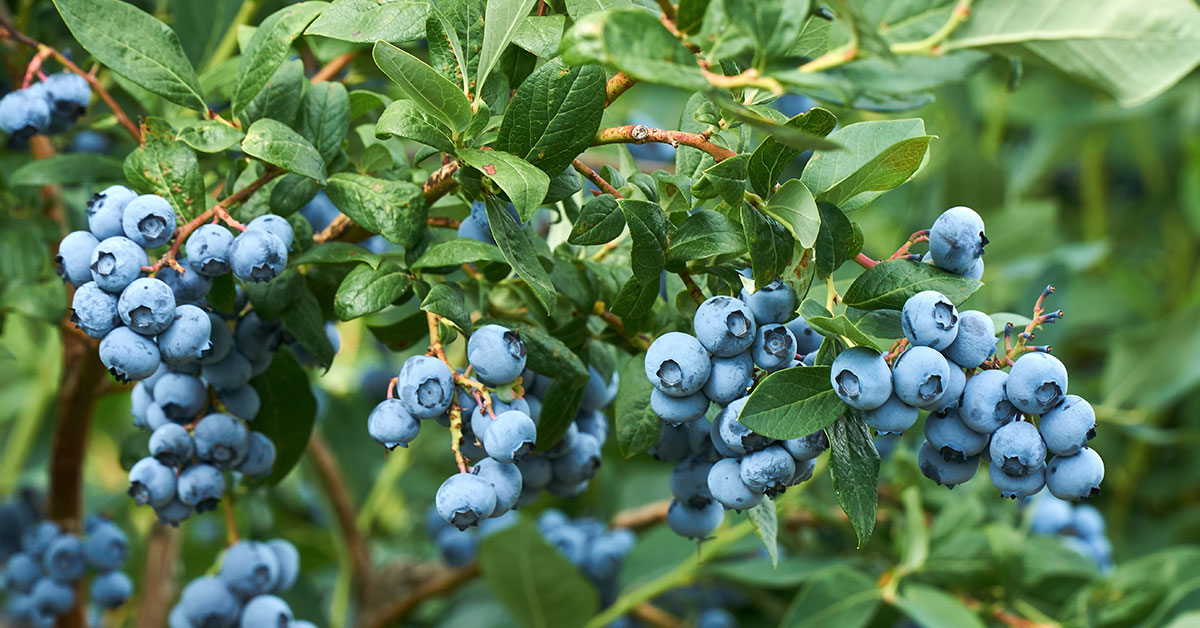

Welcome to our comprehensive guide on growing blueberries in Zone 4! If you’re a gardening enthusiast residing in this region, you may be wondering when the best time is to plant these delicious and nutritious berries. Blueberries are not only a delightful addition to any garden, but they also offer numerous health benefits.
However, being a cold-hardy plant, blueberries require careful consideration when it comes to planting time. In this article, we will delve into the optimal timing for planting blueberries in Zone 4, taking into account the specific climate conditions and requirements of these remarkable shrubs. Whether you’re a seasoned gardener or a beginner, we’ve got you covered with all the information you need to successfully grow blueberries in Zone 4.
Best blueberries to grow in Zone 4
In Zone 4, it is important to choose blueberry varieties that are cold hardy and can withstand the harsh winter conditions. Some blueberry varieties that are well-suited for Zone 4 include:
- Northblue: This variety is known for its cold hardiness and compact growth habit, making it suitable for small gardens or containers.
- Northcountry: Another cold-hardy variety, Northcountry produces medium-sized berries and has a spreading growth habit.
- Chippewa: Chippewa blueberries are known for their excellent cold tolerance and can withstand temperatures as low as -40°F (-40°C).
- Polaris: Polaris is a highbush blueberry variety that is extremely cold hardy and produces large, flavorful berries.
- Duke: Although Duke is primarily recommended for Zone 5, it can also be grown successfully in Zone 4 with proper winter protection. It is known for its high yield and excellent flavor.
Remember to provide your blueberry plants with well-drained acidic soil, regular watering, and full sun exposure for optimal growth and fruit production.
When to plant blueberries in Zone 4
In Zone 4, the best time to plant blueberries is in the spring, typically between late April and early June. This allows the plants to establish their root systems before the hot summer months. However, it’s important to note that the exact timing may vary depending on the specific state within Zone 4.
Here is a breakdown of the best planting time for blueberries in each of the states within Zone 4:
- Maine: Blueberries can be planted in late April to early May, as the risk of frost diminishes during this time.
- New Hampshire: Similar to Maine, the best time to plant blueberries is in late April to early May.
- Vermont: Blueberries can be planted in late April to early May, once the soil has thawed and is workable.
- New York: In upstate New York, blueberries can be planted in late April to early May. However, in the more southern parts of the state, planting can be done slightly earlier, around mid-April.
- Wisconsin: Blueberries can be planted in late April to early May, once the soil has thawed and the risk of frost has passed.
- Minnesota: Blueberries can be planted in late April to early May, after the soil has thawed and temperatures have stabilized.
- Michigan: In southern Michigan, blueberries can be planted in late April to early May. In the northern parts of the state, planting can be done slightly later, around mid-May.
- North Dakota: Blueberries can be planted in late April to early May, once the soil has thawed and temperatures have warmed up.
- South Dakota: Blueberries can be planted in late April to early May, after the soil has thawed and the risk of frost has passed.
- Iowa: Blueberries can be planted in late April to early May, once the soil has thawed and temperatures have stabilized.
Remember to consider the specific microclimates within each state, as variations in elevation, proximity to bodies of water, and other factors can affect the local climate and planting conditions. It’s always a good idea to consult with local gardening resources or extension services for more precise planting recommendations in your specific location.
How to grow
Growing blueberries requires careful planning and attention to detail. Here are the steps and considerations to keep in mind:
- Variety Selection: Choose a blueberry variety that is suitable for your climate and soil conditions. Some popular varieties include ‘Bluecrop,’ ‘Jersey,’ and ‘Duke.’ Consider factors such as chill hours, disease resistance, and fruiting season.
- Soil Preparation: Blueberries prefer acidic soil with a pH level between 4.5 and 5.5. Test your soil and amend it with organic matter like peat moss or compost to lower the pH if necessary. Ensure good drainage as blueberries do not tolerate waterlogged soil.
- Site Selection: Blueberries thrive in full sun, so choose a location that receives at least 6-8 hours of direct sunlight per day. Protect them from strong winds, as it can damage the delicate branches.
- Planting: Blueberries are typically planted in early spring or late fall. Dig a hole twice as wide and deep as the root ball. Place the plant in the hole, ensuring the crown is level with the soil surface. Backfill the hole with amended soil, gently firming it around the roots. Space plants 4-6 feet apart.
- Mulching: Apply a layer of organic mulch, such as pine needles or wood chips, around the base of the plants. This helps conserve moisture, suppress weeds, and maintain soil acidity.
- Watering: Blueberries have shallow roots, so regular watering is crucial. Keep the soil consistently moist but not waterlogged. Deep watering once or twice a week is generally sufficient, depending on weather conditions.
- Fertilizing: Blueberries have specific nutrient requirements. Apply a balanced, slow-release fertilizer formulated for acid-loving plants in early spring. Avoid over-fertilizing, as it can lead to excessive vegetative growth and reduced fruiting.
- Pruning: Pruning blueberries is essential for maintaining plant health and productivity. Remove any dead, damaged, or diseased branches. Prune to open up the center of the plant, allowing for better air circulation and light penetration. Pruning is typically done in late winter or early spring.
- Pest and Disease Management: Blueberries can be susceptible to pests like aphids, mites, and fruit flies, as well as diseases like powdery mildew and root rot. Regularly inspect your plants for signs of infestation or disease and take appropriate measures, such as using organic insecticides or fungicides if necessary.
- Harvesting: Blueberries are ready for harvest when they turn fully blue and easily detach from the stem. Harvesting times vary depending on the variety and location. Pick ripe berries carefully to avoid damaging the delicate fruit.
By following these steps and considerations, you can successfully grow blueberries and enjoy a bountiful harvest.
When to harvest
In Zone 4, blueberries typically ripen and are ready for picking in mid to late summer, usually between July and August. The exact timing can vary depending on the specific variety of blueberry and the local climate conditions. It’s best to monitor the berries closely and look for signs of ripeness, such as a deep blue color and a slightly soft texture. Taste-testing a few berries can also help determine if they are sweet and flavorful.
Common blueberry problems and fixes
Common problems when growing blueberries include:
- Soil pH: Blueberries prefer acidic soil with a pH range of 4.5 to 5.5. If the soil pH is too high, blueberries may suffer from nutrient deficiencies. To fix this, test the soil pH and amend it with elemental sulfur or acidic fertilizers to lower the pH.
- Nutrient deficiencies: Blueberries require specific nutrients, such as iron, manganese, and magnesium. Deficiencies in these nutrients can cause yellowing leaves, stunted growth, and poor fruit production. Regularly fertilize with a balanced blueberry fertilizer or apply specific nutrient supplements to address deficiencies.
- Improper watering: Blueberries have shallow roots and require consistent moisture. Overwatering can lead to root rot, while underwatering can cause stress and reduced fruit production. Water blueberries deeply and regularly, ensuring the soil remains consistently moist but not waterlogged.
- Pest and disease issues: Blueberries are susceptible to various pests and diseases, including aphids, mites, fruit flies, and fungal diseases like powdery mildew and botrytis. Monitor plants regularly for signs of pests or diseases and take appropriate action, such as using organic insecticides or fungicides, pruning affected branches, or removing infected fruits.
- Bird damage: Birds are attracted to blueberries and can cause significant damage to the fruit. Use bird netting or scare devices to protect the berries from birds.
- Improper pruning: Pruning blueberries is essential for maintaining plant health, vigor, and fruit production. Improper pruning can lead to reduced yields or weak growth. Learn proper pruning techniques for blueberries, including removing dead or diseased wood, thinning out crowded branches, and promoting airflow within the plant.
- Insufficient pollination: Blueberries require cross-pollination for optimal fruit set. If you have only one blueberry variety, plant another compatible variety nearby to ensure proper pollination.
By addressing these common problems, you can help ensure healthy blueberry plants and a bountiful harvest.