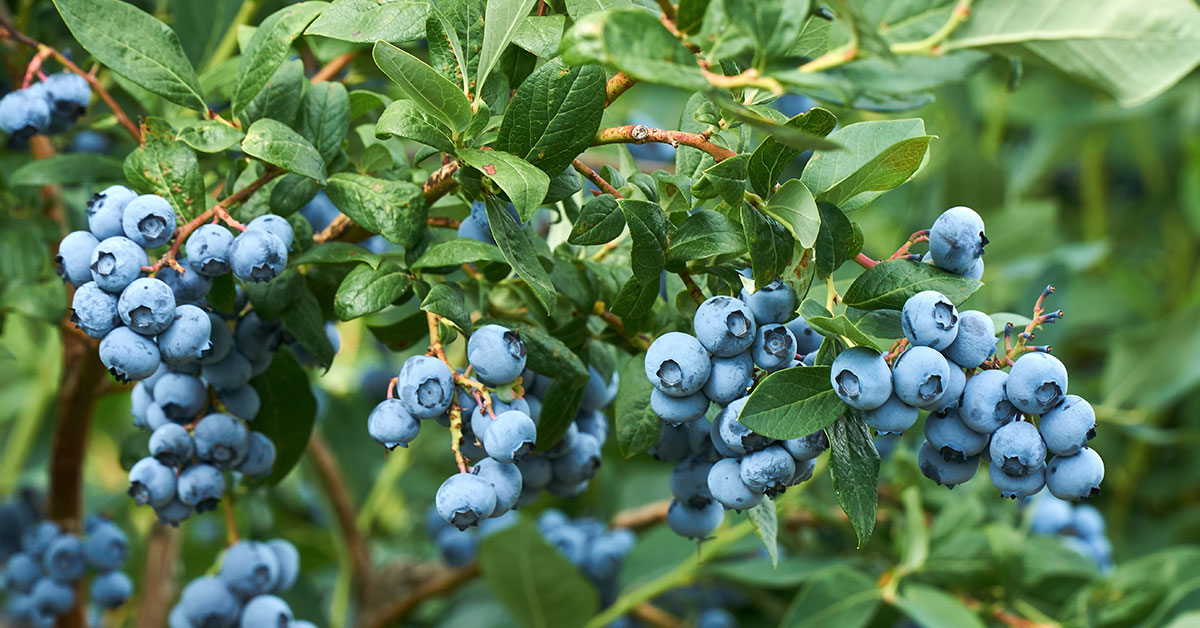

Wyoming, with its unique climate and diverse landscapes, presents an exciting opportunity for gardening enthusiasts to grow a wide variety of fruits and vegetables. Among the many delectable options, blueberries stand out as a delightful addition to any garden. These small, antioxidant-rich berries not only offer a burst of flavor but also boast numerous health benefits.
However, successfully cultivating blueberries in Wyoming requires careful consideration of the state’s specific climate and growing conditions. In this comprehensive guide, we will explore the optimal time to plant blueberries in Wyoming, ensuring that aspiring gardeners can embark on a fruitful journey toward a bountiful blueberry harvest.
Best blueberries to grow in Wyoming
Blueberries generally prefer acidic soil with a pH level between 4.5 and 5.5. In Wyoming, where the soil tends to be alkaline, it can be challenging to grow blueberries. However, there are some blueberry varieties that are more tolerant of alkaline soil and can still thrive in Wyoming’s climate. Here are a few blueberry varieties that have shown good adaptability in alkaline soil conditions:
- ‘Northblue’: This variety is known for its cold hardiness and can tolerate a wide range of soil types, including alkaline soil. It produces medium-sized berries with a sweet flavor.
- ‘Northcountry’: Another cold-hardy variety, ‘Northcountry’ can also tolerate alkaline soil. It produces small to medium-sized berries that have a tangy-sweet flavor.
- ‘Chippewa’: This blueberry variety is known for its adaptability to various soil types, including alkaline soil. It produces medium-sized berries with a mild, sweet flavor.
- ‘Polaris’: ‘Polaris’ is a cold-hardy blueberry variety that can tolerate alkaline soil conditions. It produces large berries with a sweet flavor.
When planting blueberries in Wyoming, it’s important to amend the soil with organic matter, such as peat moss or compost, to help lower the pH level and create a more acidic environment. Additionally, providing regular irrigation and mulching around the plants can help retain moisture and maintain a more favorable soil pH.
When to plant blueberries in Wyoming
In Wyoming, the best time to plant blueberries varies depending on the specific hardiness zone. Wyoming is divided into four hardiness zones: Zone 3, Zone 4, Zone 5, and Zone 6. Here are the recommended planting times for blueberries in each zone:
- Zone 3: The average minimum winter temperature in Zone 3 ranges from -30°F to -40°F (-34°C to -40°C). Blueberries can be challenging to grow in this zone due to the extreme cold. It is best to plant blueberries in early spring, as soon as the ground thaws and temperatures start to rise. This typically occurs in late April or early May.
- Zone 4: The average minimum winter temperature in Zone 4 ranges from -20°F to -30°F (-29°C to -34°C). Blueberries can thrive in this zone with proper care. The recommended time to plant blueberries is also in early spring, around late April or early May.
- Zone 5: The average minimum winter temperature in Zone 5 ranges from -10°F to -20°F (-23°C to -29°C). Blueberries grow well in this zone, and the best time to plant is similar to Zones 3 and 4. Plant blueberries in early spring, once the ground thaws and temperatures start to rise, typically in late April or early May.
- Zone 6: The average minimum winter temperature in Zone 6 ranges from 0°F to -10°F (-18°C to -23°C). Blueberries thrive in this zone, and the planting time is slightly earlier than the colder zones. It is recommended to plant blueberries in early to mid-spring, around late March to early April.
Regardless of the zone, it is crucial to choose blueberry varieties that are suitable for Wyoming’s climate and have a low chill hour requirement. Additionally, providing the plants with well-drained acidic soil, full sun exposure, and regular watering will help ensure their success.
How to grow
Growing blueberries requires careful planning and consideration. Here are the steps and considerations to keep in mind:
- Variety selection: Choose a blueberry variety that is suitable for your climate and soil conditions. There are highbush, lowbush, and rabbiteye blueberries, each with different requirements.
- Site selection: Blueberries prefer full sun exposure (at least 6-8 hours of direct sunlight per day) and well-drained soil with a pH level between 4.5 and 5.5. Ensure the site has good air circulation and is protected from strong winds.
- Soil preparation: Blueberries thrive in acidic soil rich in organic matter. Test your soil pH and amend it if necessary using elemental sulfur or acidic fertilizers. Incorporate organic matter like compost or peat moss to improve soil structure and fertility.
- Planting: Blueberries are typically planted in early spring or fall. Dig a hole twice as wide and as deep as the root ball. Place the plant in the hole, ensuring the crown is level with or slightly above the soil surface. Backfill the hole with soil, gently firming it around the roots. Water thoroughly after planting.
- Mulching: Apply a layer of organic mulch, such as wood chips or pine needles, around the base of the plants. Mulch helps conserve moisture, suppress weeds, and maintain soil acidity.
- Watering: Blueberries require consistent moisture, especially during the fruiting season. Provide 1-2 inches of water per week, either through rainfall or irrigation. Avoid overwatering, as blueberries are susceptible to root rot.
- Fertilizing: Blueberries have specific nutrient requirements. Apply a balanced fertilizer formulated for acid-loving plants in early spring before new growth begins. Follow the manufacturer’s instructions for application rates. Avoid using fertilizers high in nitrogen, as it can promote excessive vegetative growth at the expense of fruit production.
- Pruning: Prune blueberries during late winter or early spring to remove dead, damaged, or diseased wood. Thin out crowded branches to improve air circulation and light penetration. Pruning also helps maintain the desired shape and size of the plant.
- Pest and disease management: Blueberries are susceptible to various pests and diseases, including birds, deer, aphids, mites, and fungal infections like powdery mildew and fruit rot. Monitor your plants regularly and take appropriate measures, such as using netting to protect from birds or applying organic insecticides and fungicides when necessary.
- Harvesting: Blueberries are ready for harvest when they turn a deep blue color and easily detach from the stem. Harvesting times vary depending on the variety and location. Pick the berries gently to avoid damaging the plant.
Remember, blueberries are perennial plants, and it may take a few years for them to reach full productivity. With proper care and maintenance, you can enjoy a bountiful harvest of delicious blueberries for years to come.
When to harvest
In Wyoming, blueberries typically ripen and are ready for picking in late July to early August. The exact timing may vary depending on the specific variety of blueberry and the local climate conditions. It is important to monitor the berries closely for color and taste to determine their readiness for harvest. When the berries turn a deep blue color and are slightly soft to the touch, they are usually at their peak sweetness and ready to be picked.
Common blueberry problems and fixes
Common problems when growing blueberries include:
- Soil pH: Blueberries prefer acidic soil with a pH range of 4.5 to 5.5. If the soil pH is too high, blueberries may suffer from nutrient deficiencies. To fix this, you can amend the soil with elemental sulfur or use acidic fertilizers specifically formulated for blueberries.
- Poor drainage: Blueberries require well-draining soil. If the soil is too compacted or retains too much water, it can lead to root rot and other fungal diseases. To improve drainage, you can add organic matter like compost or peat moss to the soil.
- Lack of pollination: Blueberries are self-fertile, but having multiple varieties nearby can improve fruit set and yield. If you’re not getting good pollination, consider planting different blueberry varieties or introducing pollinator-friendly plants nearby to attract bees and other beneficial insects.
- Inadequate sunlight: Blueberries thrive in full sun, typically requiring at least 6-8 hours of direct sunlight per day. Insufficient sunlight can lead to weak growth, reduced fruit production, and increased susceptibility to diseases. If your blueberry plants are not getting enough sun, consider transplanting them to a sunnier location.
- Nutrient deficiencies: Blueberries have specific nutrient requirements, and deficiencies can cause stunted growth, yellowing leaves, and poor fruit development. Regularly test your soil and provide appropriate fertilizers to address any nutrient deficiencies. Blueberries often require additional acidifying fertilizers, such as those containing ammonium sulfate.
- Pest and disease issues: Blueberries can be susceptible to various pests and diseases, including aphids, mites, fruit flies, and fungal infections like powdery mildew and botrytis. Regularly inspect your plants for signs of pests or diseases and take appropriate measures, such as using organic insecticides or fungicides, practicing good sanitation, and removing infected plant parts.
- Improper pruning: Pruning blueberries is essential for maintaining plant health, promoting airflow, and maximizing fruit production. Improper pruning can lead to overcrowding, reduced sunlight penetration, and increased susceptibility to diseases. Learn the correct pruning techniques for blueberries and prune them during the dormant season to remove dead or weak wood and maintain a balanced shape.
Remember, blueberries are generally low-maintenance plants, but providing the right growing conditions, proper care, and timely intervention can help prevent and address common problems effectively.