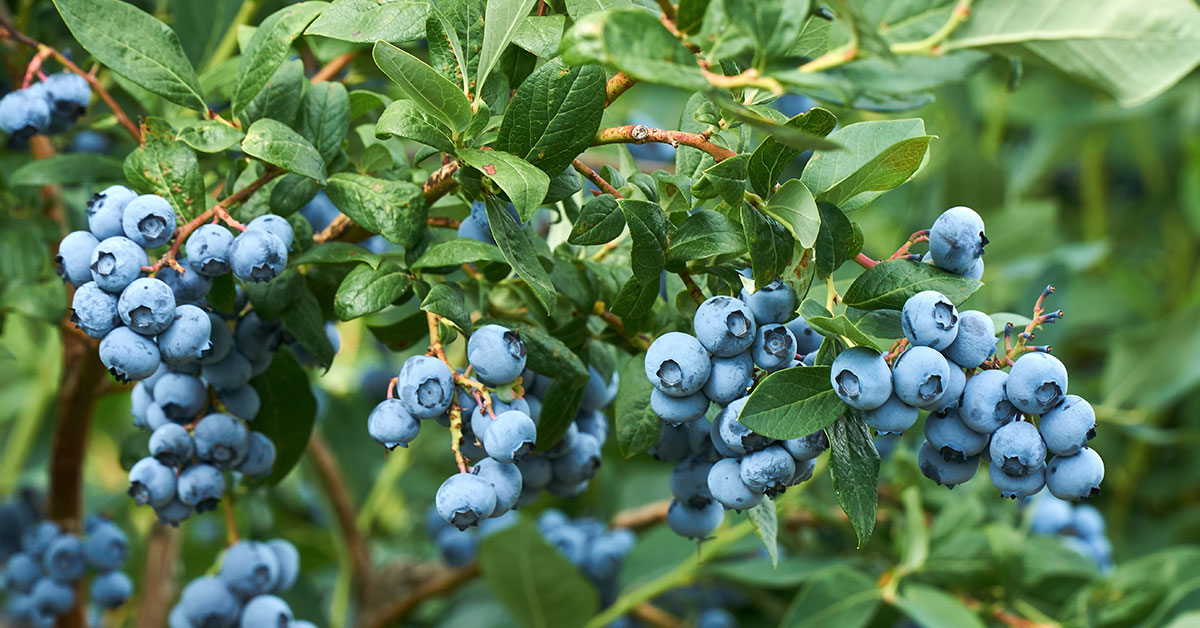

Welcome to the world of blueberry cultivation in Virginia! If you’re a gardening enthusiast or simply looking to add a touch of sweetness to your backyard, growing blueberries can be a rewarding and delicious endeavor. However, before you embark on this journey, it’s essential to understand the ideal time to plant blueberries in Virginia. With its unique climate and growing conditions, Virginia offers a suitable environment for blueberry cultivation, but timing is crucial.
In this article, we will delve into the best time to plant blueberries in Virginia, taking into account the region’s climate, soil conditions, and the specific needs of these delightful berries. So, grab your gardening gloves, and let’s explore the world of blueberry planting in the beautiful state of Virginia!
Best blueberries to grow in Virginia
In Virginia, the best blueberry varieties to grow are typically the low-chill or southern highbush blueberries. These varieties are well-suited to the climate and soil conditions found in Virginia. Some recommended varieties include:
- ‘O’Neal’: This variety is known for its excellent flavor and is self-pollinating, making it a good choice for small gardens or containers.
- ‘Legacy’: This variety is highly productive and has a long harvest season. It is also disease-resistant and has good flavor.
- ‘Misty’: Another self-pollinating variety, ‘Misty’ produces large berries with a sweet flavor. It is also known for its heat tolerance.
- ‘Sunshine Blue’: This variety is a dwarf blueberry bush, making it suitable for container gardening. It is self-pollinating and has a long harvest season.
- ‘Sharpblue’: ‘Sharpblue’ is a popular variety for its high yields and excellent flavor. It is also known for its heat tolerance and disease resistance.
When selecting blueberry varieties for Virginia, it is important to consider factors such as chill hours required, disease resistance, and soil pH compatibility. It is recommended to consult with local nurseries or agricultural extension offices for specific recommendations based on your location within Virginia.
When to plant blueberries in Virginia
In Virginia, the best time to plant blueberries varies slightly depending on the specific hardiness zone. Blueberries generally prefer cool climates and thrive in USDA hardiness zones 4 to 7, which cover most of Virginia. Here are the recommended planting times for each zone:
- Zone 4: The best time to plant blueberries in Zone 4, which includes areas like the Allegheny Mountains, is in early spring. Aim to plant between late March and early April, once the ground has thawed and the soil temperature reaches around 45°F (7°C).
- Zone 5: In Zone 5, which includes areas like the Shenandoah Valley and parts of the Blue Ridge Mountains, the ideal time to plant blueberries is also in early spring. Aim for late March to early April, similar to Zone 4.
- Zone 6: Zone 6 covers a large portion of Virginia, including areas like Richmond and Norfolk. The best time to plant blueberries in Zone 6 is also in early spring, but you can slightly extend the planting window to mid-April.
- Zone 7: In Zone 7, which includes areas like Virginia Beach and the Eastern Shore, the best time to plant blueberries is in early spring as well. Aim for late March to mid-April, similar to Zone 6.
It’s important to note that these are general guidelines, and the exact planting time can vary depending on weather conditions and the specific microclimate of your location. It’s always a good idea to monitor soil temperature and weather patterns before planting to ensure optimal conditions for your blueberries.
How to grow
Growing blueberries requires careful planning and attention to detail. Here are the steps and considerations to keep in mind:
- Variety selection: Choose a blueberry variety that is well-suited to your climate and growing conditions. There are different types of blueberries, including highbush, lowbush, and rabbiteye, each with specific requirements.
- Site selection: Blueberries prefer full sun but can tolerate partial shade. Select a location with well-draining soil that is rich in organic matter. The soil pH should be between 4.5 and 5.5, as blueberries prefer acidic conditions.
- Soil preparation: Before planting, prepare the soil by removing weeds, rocks, and debris. Amend the soil with organic matter, such as compost or peat moss, to improve drainage and fertility. Conduct a soil test to determine the pH and nutrient levels, and adjust as necessary.
- Planting: Blueberries are typically planted in early spring or late fall. Dig a hole twice as wide and deep as the root ball of the plant. Place the blueberry bush in the hole, ensuring that the crown is level with or slightly above the soil surface. Backfill the hole with soil, gently firming it around the roots.
- Watering: Blueberries require consistent moisture, especially during the first year after planting. Water deeply and regularly, aiming for 1-2 inches of water per week. Avoid overwatering, as blueberries are susceptible to root rot.
- Mulching: Apply a layer of organic mulch, such as wood chips or pine needles, around the base of the plants. Mulch helps conserve moisture, suppress weeds, and maintain a more acidic soil pH.
- Fertilizing: Blueberries have specific nutrient requirements. Apply a balanced fertilizer formulated for acid-loving plants in early spring before new growth begins. Follow the package instructions for application rates. Avoid excessive nitrogen, as it can promote vegetative growth at the expense of fruit production.
- Pruning: Prune blueberry bushes during the dormant season to remove dead, damaged, or overcrowded branches. This helps improve air circulation, sunlight penetration, and overall plant health. Pruning also encourages the growth of new fruiting wood.
- Pest and disease management: Blueberries can be susceptible to various pests and diseases, including birds, deer, aphids, mites, and fungal diseases like powdery mildew and fruit rot. Monitor your plants regularly and take appropriate measures, such as using netting to protect from birds and applying organic pest control methods when necessary.
- Harvesting: Blueberries are ready for harvest when they are fully ripe and have a deep blue color. Gently pick the berries, being careful not to damage the delicate fruit. Harvesting typically occurs in summer, depending on the variety and location.
Remember to consult local gardening resources or extension services for specific recommendations based on your region’s climate and conditions.
When to harvest
In Virginia, blueberries are typically ready for picking from late June to early August. The exact timing can vary depending on the specific variety of blueberry and the weather conditions in a given year. It’s important to monitor the berries closely as they ripen, as they can quickly go from underripe to overripe. Look for berries that are fully blue, plump, and easily come off the stem with a gentle tug.
Common blueberry problems and fixesVirginia
Common problems when growing blueberries include:
- Soil pH: Blueberries prefer acidic soil with a pH between 4.5 and 5.5. If the soil pH is too high, the plants may suffer from nutrient deficiencies. To fix this, regularly test the soil pH and amend it with elemental sulfur or acidic organic matter like peat moss to lower the pH.
- Nutrient deficiencies: Blueberries require specific nutrients, such as iron, manganese, and magnesium. Deficiencies in these nutrients can cause yellowing leaves, stunted growth, and poor fruit production. To address this, apply a balanced fertilizer formulated for acid-loving plants or use specific micronutrient supplements.
- Improper watering: Blueberries need consistent moisture, especially during the fruiting season. Overwatering can lead to root rot, while underwatering can cause stress and reduced fruit production. To fix this, water blueberries deeply and regularly, ensuring the soil is consistently moist but not waterlogged.
- Pest infestations: Blueberries can be susceptible to pests like aphids, mites, and fruit flies. Regularly inspect the plants for signs of infestation, such as distorted leaves, webbing, or damaged fruit. Use organic insecticidal soaps or neem oil to control pests, and consider introducing beneficial insects like ladybugs or lacewings.
- Disease issues: Blueberries can be prone to diseases like powdery mildew, leaf spot, and root rot. To prevent these diseases, ensure proper air circulation around the plants by pruning and spacing them adequately. Remove and destroy any infected plant material, and apply fungicides if necessary.
- Bird damage: Birds are attracted to blueberries and can cause significant damage to the fruit. Use bird netting or scare devices like reflective tape or wind chimes to deter birds from feeding on your blueberries.
Remember, blueberries thrive in well-drained, acidic soil with full sun exposure. Regular pruning, mulching, and proper care will help prevent many common problems and ensure healthy blueberry plants.