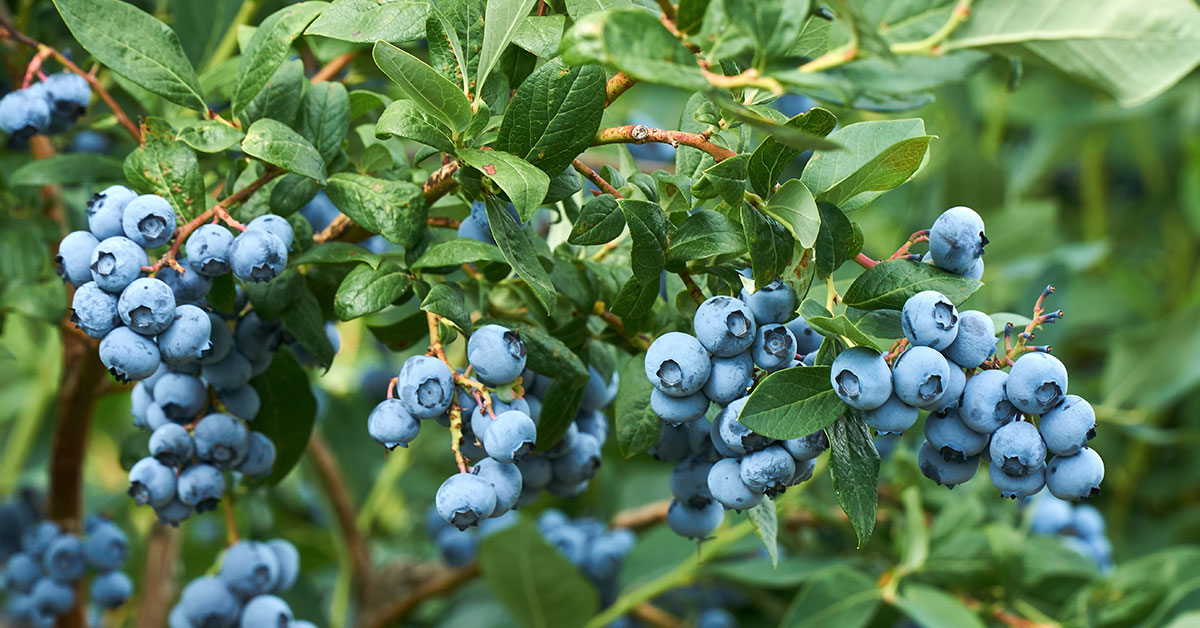

Let’s learn about the cultivation of blueberries in South Carolina! If you’re a gardening enthusiast or a fruit lover, you’re in for a treat. Blueberries are not only a delicious and nutritious fruit but also a joy to grow in the fertile soils and favorable climate of the Palmetto State. However, timing is crucial when it comes to planting blueberries to ensure optimal growth and a bountiful harvest.
In this article, we will explore the best time to plant blueberries in South Carolina, taking into account the region’s unique climate and soil conditions. Whether you’re a seasoned gardener or a beginner, by following these guidelines, you’ll be well on your way to growing your own succulent blueberries right in your backyard.
Best blueberries to grow in South Carolina
In South Carolina, the best blueberry varieties to grow are generally Southern Highbush and Rabbiteye blueberries. Southern Highbush blueberries are a hybrid of Northern Highbush and Rabbiteye blueberries, which makes them well-suited for the climate and soil conditions in the region. Some popular Southern Highbush varieties for South Carolina include ‘Emerald’, ‘Jewel’, ‘Star’, and ‘Windsor’.
Rabbiteye blueberries are native to the southeastern United States and are known for their adaptability to the hot and humid conditions of South Carolina. Popular Rabbiteye varieties for the region include ‘Climax’, ‘Premier’, ‘Tifblue’, and ‘Brightwell’. It’s important to choose varieties that are recommended for your specific USDA hardiness zone in South Carolina to ensure successful growth.
When to plant blueberries in South Carolina
In South Carolina, the best time to plant blueberries varies slightly depending on the specific hardiness zone. South Carolina is divided into three main hardiness zones: Zone 7a, Zone 7b, and Zone 8a. Here are the recommended planting times for blueberries in each zone:
- Zone 7a: The best time to plant blueberries in Zone 7a is in late winter or early spring, typically between February and March. This allows the plants to establish their root systems before the hot summer months. It’s important to avoid planting too late in the spring as the heat can stress the young plants.
- Zone 7b: In Zone 7b, the ideal planting time for blueberries is similar to Zone 7a, between late winter and early spring. However, due to the slightly milder climate, you can extend the planting window into early April. Again, it’s crucial to avoid planting too late in the spring to prevent stress on the plants.
- Zone 8a: In Zone 8a, the best time to plant blueberries is in late winter or very early spring, typically between January and February. The warmer climate allows for an earlier planting window. Planting early ensures that the blueberries have enough time to establish their root systems before the onset of hot summer temperatures.
Regardless of the specific hardiness zone, it’s important to choose healthy, disease-free blueberry plants from a reputable nursery. Proper site preparation, including soil testing and amending, is also crucial for successful blueberry cultivation. Additionally, providing adequate irrigation and mulching around the plants will help retain moisture and control weeds.
How to grow
Growing blueberries requires careful attention to soil conditions, planting techniques, watering, fertilizing, and pruning. Here are the steps and considerations for successfully growing blueberries:
- Blueberries prefer acidic soil with a pH between 4.5 and 5.5. Test your soil and amend it if necessary.
- Add organic matter like peat moss or compost to improve soil structure and drainage.
- Ensure the soil is well-draining but retains moisture.
- Choose blueberry varieties that are suitable for your climate and growing conditions.
- Consider factors such as chilling hours, disease resistance, and desired fruit characteristics.
- Plant blueberries in early spring or fall when the soil is workable.
- Dig a hole twice as wide and deep as the root ball.
- Place the plant in the hole, ensuring the crown is level with or slightly above the soil surface.
- Backfill the hole with soil, gently firming it around the roots.
- Space plants 4-6 feet apart in rows, with rows 8-10 feet apart.
- Blueberries require consistent moisture, especially during the growing season.
- Water deeply and regularly, aiming for 1-2 inches of water per week.
- Mulch around the plants to conserve moisture and suppress weeds.
- Blueberries have specific nutrient requirements.
- Apply a balanced, slow-release fertilizer formulated for acid-loving plants in early spring.
- Avoid excessive nitrogen, as it can promote vegetative growth at the expense of fruit production.
- Monitor plant health and adjust fertilization as needed.
- Prune blueberries annually to maintain plant health, shape, and encourage fruiting.
- Remove dead, damaged, or diseased wood.
- Thin out crowded branches to improve airflow and light penetration.
- Prune older canes to promote new growth and fruit production.
- Blueberries are susceptible to various pests and diseases, including birds, insects, and fungal infections.
- Protect plants from birds with netting or scare devices.
- Monitor for pests and diseases regularly and take appropriate action if necessary.
- Follow integrated pest management practices and consider using organic controls.
- Blueberries are ready for harvest when they are fully colored and easily detach from the plant.
- Harvesting times vary depending on the variety and location.
- Gently pick the berries, being careful not to damage the plant or surrounding fruit.
Remember that blueberries are long-lived plants, and it may take a few years for them to reach full production. With proper care and attention, you can enjoy a bountiful harvest of delicious blueberries for many years to come.
When to harvest
In South Carolina, blueberries are typically ready to be picked from late May to early July. The exact timing can vary depending on the specific variety of blueberry and the weather conditions in a given year. It is important to monitor the berries closely as they ripen, as they can quickly go from underripe to overripe. When the berries are fully blue and easily detach from the stem with a gentle tug, they are ready to be picked.
Common blueberry problems and fixes
Common problems when growing blueberries include:
- Soil pH: Blueberries prefer acidic soil with a pH range of 4.5 to 5.5. If the soil pH is too high, blueberries may suffer from nutrient deficiencies. To fix this, you can amend the soil with elemental sulfur or use acidic fertilizers to lower the pH.
- Lack of pollination: Blueberries require cross-pollination to produce fruit. If there are no other blueberry plants nearby, you may need to plant a different variety to ensure proper pollination.
- Insufficient sunlight: Blueberries need at least 6-8 hours of direct sunlight per day to thrive. If they are not getting enough sunlight, they may produce fewer fruits or have stunted growth. Consider pruning nearby trees or relocating the plants to a sunnier spot.
- Improper watering: Blueberries require consistent moisture, especially during the fruiting season. Overwatering can lead to root rot, while underwatering can cause stress and reduce fruit production. Water deeply and regularly, keeping the soil evenly moist but not waterlogged.
- Pest and disease issues: Common pests that affect blueberries include aphids, mites, and fruit flies. Diseases like powdery mildew, leaf spot, and root rot can also be problematic. Regularly inspect your plants for signs of pests or diseases and take appropriate measures such as using insecticidal soaps or organic pesticides, and applying fungicides if necessary.
- Nutrient deficiencies: Blueberries have specific nutrient requirements, and deficiencies can lead to poor growth and yield. Common nutrient deficiencies include iron, magnesium, and manganese. Regularly test the soil and apply appropriate fertilizers or soil amendments to address any deficiencies.
- Winter damage: Blueberries are susceptible to winter damage, especially in colder climates. Protect your plants by mulching around the base with straw or wood chips to insulate the roots and prevent freezing.
By addressing these common problems, you can ensure healthy blueberry plants and a bountiful harvest.