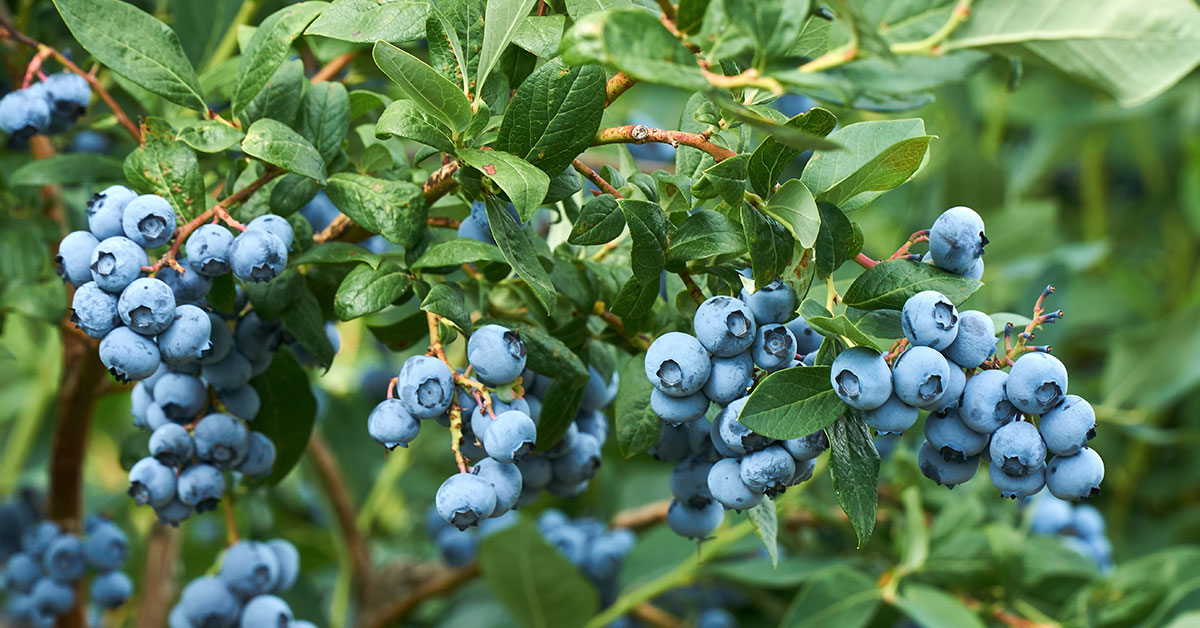

Welcome to the world of blueberry gardening in Oklahoma! If you’re a gardening enthusiast looking to add these delicious and nutritious berries to your backyard, you’ve come to the right place. Blueberries are a popular fruit that thrive in the right conditions, and Oklahoma offers a suitable climate for their cultivation.
However, timing is crucial when it comes to planting blueberries, as they have specific requirements to ensure successful growth and abundant harvests. In this article, we will explore the best time to plant blueberries in Oklahoma, taking into account the state’s unique climate and the specific needs of these delightful berries. So, let’s dive in and discover when to get your blueberry bushes in the ground for a fruitful and rewarding experience.
Best blueberries to grow in Oklahoma
In Oklahoma, the best blueberry varieties to grow are those that are adapted to the region’s climate and soil conditions. Some recommended blueberry varieties for Oklahoma include:
- Rabbiteye Blueberries (Vaccinium ashei): Rabbiteye blueberries are well-suited for Oklahoma’s climate. They are heat-tolerant and can handle the hot summers and mild winters. Some popular rabbiteye varieties include ‘Climax,’ ‘Premier,’ ‘Tifblue,’ and ‘Powderblue.’
- Southern Highbush Blueberries (Vaccinium corymbosum): While rabbiteye blueberries are more commonly grown in Oklahoma, some southern highbush varieties can also be successful. Southern highbush blueberries require slightly cooler temperatures and may need protection from extreme heat. Some recommended southern highbush varieties for Oklahoma include ‘Emerald,’ ‘Jewel,’ and ‘Sharpblue.’
It’s important to note that blueberries require acidic soil with a pH between 4.5 and 5.5. If your soil is not naturally acidic, you may need to amend it with materials like peat moss or sulfur to create the ideal growing conditions for blueberries. Additionally, blueberries prefer well-draining soil and benefit from regular irrigation during dry periods. Before planting blueberries, it’s always a good idea to consult with your local extension office or a nursery specializing in fruit plants to get specific recommendations based on your location within Oklahoma.
When to plant blueberries in Oklahoma
In Oklahoma, the best time to plant blueberries generally depends on the specific hardiness zone you are in. Oklahoma is divided into four main hardiness zones: Zone 6a, Zone 6b, Zone 7a, and Zone 7b. Here are the recommended planting times for blueberries in each zone:
- Zone 6a: The best time to plant blueberries in Zone 6a is in early spring, around March or April. This allows the plants to establish their root systems before the heat of summer arrives. It’s important to avoid planting too early when the ground is still frozen or waterlogged.
- Zone 6b: Similar to Zone 6a, the best time to plant blueberries in Zone 6b is in early spring, around March or April. The timing is crucial to ensure the plants have enough time to establish before the hot summer weather.
- Zone 7a: In Zone 7a, the best time to plant blueberries is in late winter to early spring, typically in February or March. This allows the plants to take advantage of the cooler temperatures and moist soil before the onset of summer heat.
- Zone 7b: For Zone 7b, the best time to plant blueberries is also in late winter to early spring, around February or March. This timing allows the plants to establish roots before the warmer weather arrives.
Keep in mind that these planting times are general guidelines, and it’s always best to consider local weather conditions and soil conditions when deciding the exact timing for planting blueberries. Additionally, it’s important to choose blueberry varieties that are suitable for your specific hardiness zone to ensure optimal growth and fruit production.
How to grow
Growing blueberries requires careful planning and attention to detail. Here are the steps and considerations to keep in mind:
- Variety Selection: Choose a blueberry variety that is well-suited to your climate and soil conditions. There are different types of blueberries, including highbush, lowbush, and rabbiteye. Research the varieties that thrive in your region.
- Soil Preparation: Blueberries prefer acidic soil with a pH between 4.5 and 5.5. Test your soil and amend it with organic matter like peat moss or compost if necessary. Ensure good drainage as blueberries do not tolerate waterlogged soil.
- Site Selection: Blueberries require full sun for at least six hours a day. Choose a location that provides adequate sunlight and protection from strong winds.
- Planting: Blueberries are typically planted in spring or fall. Dig a hole twice as wide and deep as the root ball. Place the plant in the hole, ensuring the crown is level with the soil surface. Backfill the hole with amended soil and water thoroughly.
- Mulching: Apply a layer of organic mulch, such as wood chips or pine needles, around the base of the plants. This helps retain moisture, suppress weeds, and maintain soil acidity.
- Watering: Blueberries need consistent moisture, especially during the growing season. Water deeply but avoid overwatering, as it can lead to root rot. Use drip irrigation or a soaker hose to provide water directly to the roots.
- Fertilization: Blueberries have specific nutrient requirements. Use a balanced fertilizer formulated for acid-loving plants, such as one with an NPK ratio of 10-10-10 or 12-12-12. Apply fertilizer in early spring and again in late spring or early summer.
- Pruning: Prune blueberries in late winter or early spring to remove dead or damaged wood and maintain an open structure. This encourages airflow and sunlight penetration, leading to healthier plants and better fruit production.
- Pest and Disease Control: Blueberries can be susceptible to pests like aphids, mites, and fruit flies, as well as diseases like powdery mildew and root rot. Monitor your plants regularly and take appropriate measures, such as using organic insecticides or fungicides, if necessary.
- Harvesting: Blueberries are ready for harvest when they are fully ripe and have a deep blue color. Gently pick the berries, taking care not to damage the delicate fruit. Harvesting times vary depending on the variety and climate.
Remember, blueberries are a long-term investment, and it may take a few years for plants to reach full production. With proper care and attention, you can enjoy a bountiful harvest of delicious blueberries for many years to come.
When to harvest
In Oklahoma, blueberries are typically ready to be picked from late May to early July. The exact timing can vary depending on the specific variety of blueberry and the weather conditions in a given year. It is important to monitor the berries closely during this period and pick them when they are fully ripe. Ripe blueberries will be plump, firm, and have a deep blue color.
Common blueberry problems and fixes
Common problems when growing blueberries include:
- Soil pH: Blueberries require acidic soil with a pH level between 4.5 and 5.5. If the soil is too alkaline, blueberries may suffer from nutrient deficiencies. To fix this, amend the soil with elemental sulfur or use acidic fertilizers to lower the pH level.
- Lack of pollination: Blueberries are self-fertile, but having multiple varieties can improve pollination and increase fruit yield. If you notice poor fruit set, consider planting different blueberry varieties nearby to enhance cross-pollination.
- Insufficient watering: Blueberries have shallow roots and require consistent moisture. Inadequate watering can lead to shriveled berries and reduced fruit production. Ensure the plants receive at least 1-2 inches of water per week, especially during dry periods.
- Nutrient deficiencies: Blueberries have specific nutrient requirements, and deficiencies can cause stunted growth, yellowing leaves, and poor fruit development. Conduct a soil test to determine nutrient deficiencies and amend the soil accordingly. Blueberries often benefit from fertilizers formulated for acid-loving plants.
- Pest and disease issues: Blueberries can be susceptible to pests such as aphids, mites, and fruit flies, as well as diseases like powdery mildew, leaf spot, and root rot. Regularly inspect the plants for signs of infestation or disease and take appropriate measures, such as using insecticidal soap or applying fungicides when necessary.
- Improper pruning: Pruning is essential for blueberries to maintain plant health, encourage new growth, and increase fruit production. Improper pruning can result in reduced yields or weak, leggy plants. Learn the appropriate pruning techniques for blueberries and prune during the dormant season.
- Bird damage: Birds are attracted to blueberries, and their feeding can significantly reduce the harvest. Use netting or bird scare devices to protect the berries from bird damage.
Remember that blueberries require specific growing conditions, including full sun, well-drained soil, and proper spacing. Providing these optimal conditions will help minimize problems and promote healthy blueberry plants.