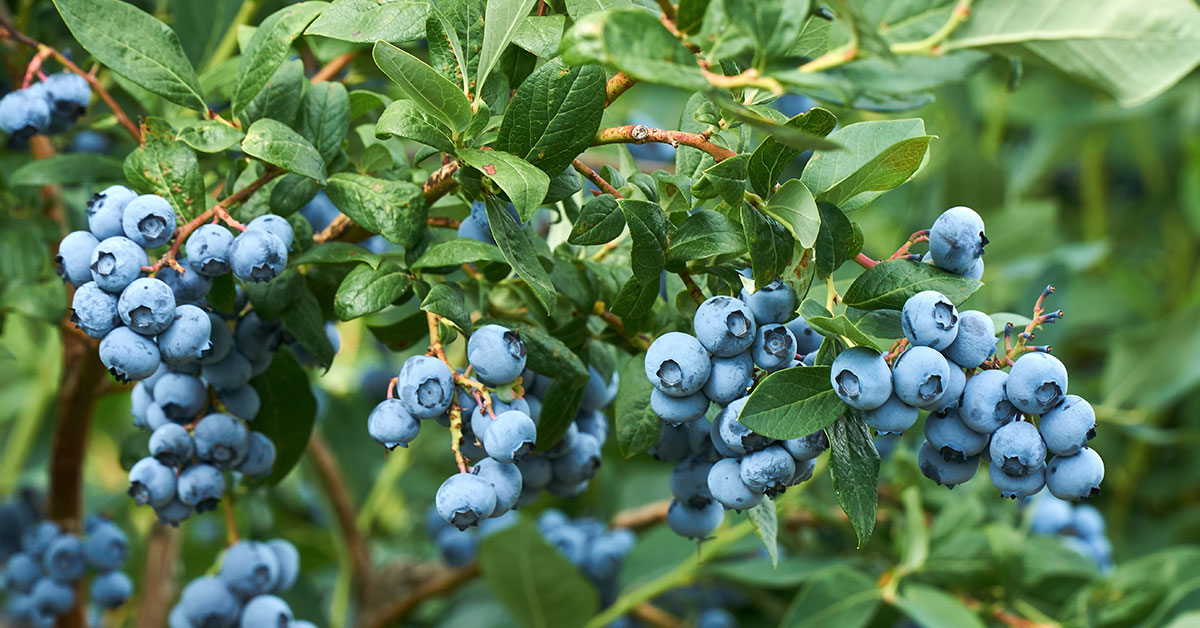

Welcome to the world of blueberry cultivation in Nebraska! If you’re a gardening enthusiast looking to add a touch of sweetness to your backyard, blueberries are an excellent choice. Known for their delicious flavor, vibrant color, and numerous health benefits, blueberries are versatile fruit that can be enjoyed fresh, frozen, or incorporated into a variety of culinary delights.
However, to ensure a successful harvest, it’s crucial to plant blueberries at the right time. Nebraska’s climate and soil conditions play a significant role in determining the optimal planting window. In this article, we will delve into the ideal time to plant blueberries in Nebraska, taking into account the state’s unique weather patterns and the specific needs of these delightful fruits. So, grab your gardening tools and let’s embark on a blueberry-growing adventure!
Best blueberries to grow in Nebraska
In Nebraska, the best blueberry varieties to grow are those that are cold-hardy and can tolerate the region’s climate. Some recommended blueberry varieties for Nebraska include:
- Northblue: This variety is known for its cold-hardiness and compact size, making it suitable for smaller gardens or containers.
- Northcountry: Another cold-hardy variety, Northcountry produces medium-sized berries and is known for its excellent flavor.
- Chippewa: Chippewa blueberries are also cold-hardy and produce large, sweet berries. They are known for their vigorous growth and disease resistance.
- Polaris: Polaris blueberries are early ripening and have a sweet-tart flavor. They are also cold-hardy and can tolerate Nebraska’s climate.
- Duke: While Duke blueberries are not as cold-hardy as some other varieties, they can still be successfully grown in Nebraska with proper winter protection. They produce large berries with a mild flavor.
It’s important to note that blueberries require acidic soil with a pH between 4.5 and 5.5. If your soil is not naturally acidic, you may need to amend it with materials like peat moss or sulfur to create the ideal growing conditions for blueberries. Additionally, providing ample sunlight, regular watering, and proper pruning will help ensure successful blueberry cultivation in Nebraska.
When to plant blueberries in Nebraska
In Nebraska, the best time to plant blueberries varies depending on the hardiness zone. Nebraska is divided into four USDA hardiness zones: Zone 4, Zone 5, Zone 6, and Zone 7. Here are the recommended planting times for blueberries in each zone:
- Zone 4: In Zone 4, which covers the northern parts of Nebraska, the best time to plant blueberries is in early spring, typically between late March and early May. It is important to plant early in the season to allow the blueberry plants to establish their root systems before the hot summer months.
- Zone 5: In Zone 5, which includes central parts of Nebraska, the ideal time to plant blueberries is also in early spring, around late March to early May. This timing allows the plants to take advantage of the cool, moist conditions of spring for root establishment.
- Zone 6: In Zone 6, which covers parts of eastern Nebraska, including Omaha and Lincoln, the best time to plant blueberries is in early spring, similar to Zones 4 and 5. Planting between late March and early May is recommended to give the blueberry plants enough time to establish roots before the summer heat arrives.
- Zone 7: In Zone 7, which includes the southernmost parts of Nebraska, such as the city of Falls City, the best time to plant blueberries is in early spring, like the other zones. Planting between late March and early May is advisable to allow the plants to establish roots before the warmer temperatures set in.
Regardless of the zone, it’s important to note that blueberries prefer acidic soil with a pH between 4.5 and 5.5. Before planting, it is recommended to amend the soil with organic matter, such as peat moss or compost, to improve drainage and acidity. Additionally, blueberries require full sun exposure and regular watering, especially during dry periods. Mulching around the plants can help retain moisture and control weeds.
By following these guidelines and considering the specific hardiness zone, you can ensure the best chances of success when planting blueberries in Nebraska.
How to grow
Growing blueberries requires careful attention to soil conditions, planting location, watering, fertilizing, and pruning. Here are the steps and considerations for successfully growing blueberries:
- Blueberries prefer acidic soil with a pH between 4.5 and 5.5. Test your soil and amend it if necessary.
- Add organic matter such as peat moss or compost to improve soil structure and drainage.
- Ensure the soil is well-draining, as blueberries don’t tolerate waterlogged conditions.
- Blueberries thrive in full sun, so choose a location that receives at least 6-8 hours of direct sunlight daily.
- Protect them from strong winds, as they have shallow root systems that can be easily damaged.
- Choose blueberry varieties that are suitable for your climate and growing conditions.
- Consider factors like chilling requirements, disease resistance, and fruiting season to ensure a successful harvest.
- Plant blueberries in early spring or late fall when the soil is workable.
- Dig a hole twice as wide and deep as the root ball.
- Place the plant in the hole, ensuring the crown is level with or slightly above the soil surface.
- Backfill the hole with soil, gently firming it around the roots.
- Water thoroughly after planting.
- Blueberries require consistent moisture, especially during the growing season.
- Water deeply and regularly, aiming for 1-2 inches of water per week.
- Avoid overwatering, as it can lead to root rot.
- Blueberries have specific nutrient requirements, including nitrogen, phosphorus, and potassium.
- Use a balanced, slow-release fertilizer formulated for acid-loving plants.
- Apply fertilizer in early spring, following the package instructions.
- Apply a layer of organic mulch, such as pine needles or wood chips, around the base of the plants.
- Mulch helps retain moisture, suppress weeds, and maintain soil acidity.
- Prune blueberries during late winter or early spring before new growth begins.
- Remove any dead, damaged, or diseased branches.
- Thin out crowded branches to improve airflow and light penetration.
- Prune older canes to encourage new growth and better fruit production.
- Monitor blueberry plants regularly for pests like aphids, mites, and fruit flies.
- Use organic pest control methods whenever possible.
- Watch for common diseases like powdery mildew, root rot, and fungal infections, and take appropriate measures to prevent or treat them.
- Blueberries are ready for harvest when they are fully ripe and have a deep blue color.
- Gently pick the berries, taking care not to damage the plant or surrounding fruit.
- Harvesting times vary depending on the variety, so monitor your plants closely.
By following these steps and considerations, you can successfully grow blueberries and enjoy a bountiful harvest.
When to harvest
In Nebraska, blueberries typically ripen and are ready for picking in late June to early July. However, the exact timing can vary depending on the specific variety of blueberry you are growing and the local weather conditions. It is advisable to monitor the berries closely as they approach maturity and harvest them when they are fully ripe. Ripe blueberries will have a deep blue color, a slightly soft texture, and a sweet taste.
Common blueberry problems and fixes
Common problems when growing blueberries include:
- Soil pH: Blueberries prefer acidic soil with a pH between 4.5 and 5.5. If the soil is too alkaline, the plants may suffer from nutrient deficiencies and struggle to absorb necessary minerals. To fix this, regularly test the soil pH and amend it with elemental sulfur or acidic organic matter like pine needles or peat moss.
- Lack of pollination: Blueberries require cross-pollination to produce fruit. If there are no other blueberry plants nearby, you may need to plant a different variety to ensure proper pollination.
- Insufficient sunlight: Blueberries need at least 6-8 hours of direct sunlight daily to thrive and produce abundant fruit. If your plants are not receiving enough sunlight, consider relocating them to a sunnier spot or pruning nearby trees or shrubs to allow more light to reach them.
- Improper watering: Blueberries have shallow roots and are sensitive to both overwatering and underwatering. They prefer consistently moist soil, but not waterlogged conditions. To avoid problems, water deeply and regularly, especially during dry spells, and ensure proper drainage to prevent waterlogging.
- Nutrient deficiencies: Blueberries require specific nutrients, such as iron, magnesium, and sulfur, to grow and produce healthy fruit. Deficiencies in these nutrients can lead to yellowing leaves, stunted growth, and poor fruit development. Regularly fertilize with a balanced acidic fertilizer formulated for blueberries to address nutrient deficiencies.
- Pest and disease issues: Blueberries can be susceptible to various pests and diseases, including aphids, mites, fruit flies, and fungal infections like powdery mildew and botrytis. To prevent and manage these problems, regularly inspect your plants, remove any affected parts, and consider using organic insecticides or fungicides if necessary.
- Winter damage: Blueberries are generally hardy, but extreme cold temperatures can cause damage to the plants. To protect them during winter, mulch around the base of the plants with straw or wood chips to insulate the roots and prevent freezing.
By addressing these common problems, you can ensure healthy blueberry plants and a bountiful harvest.