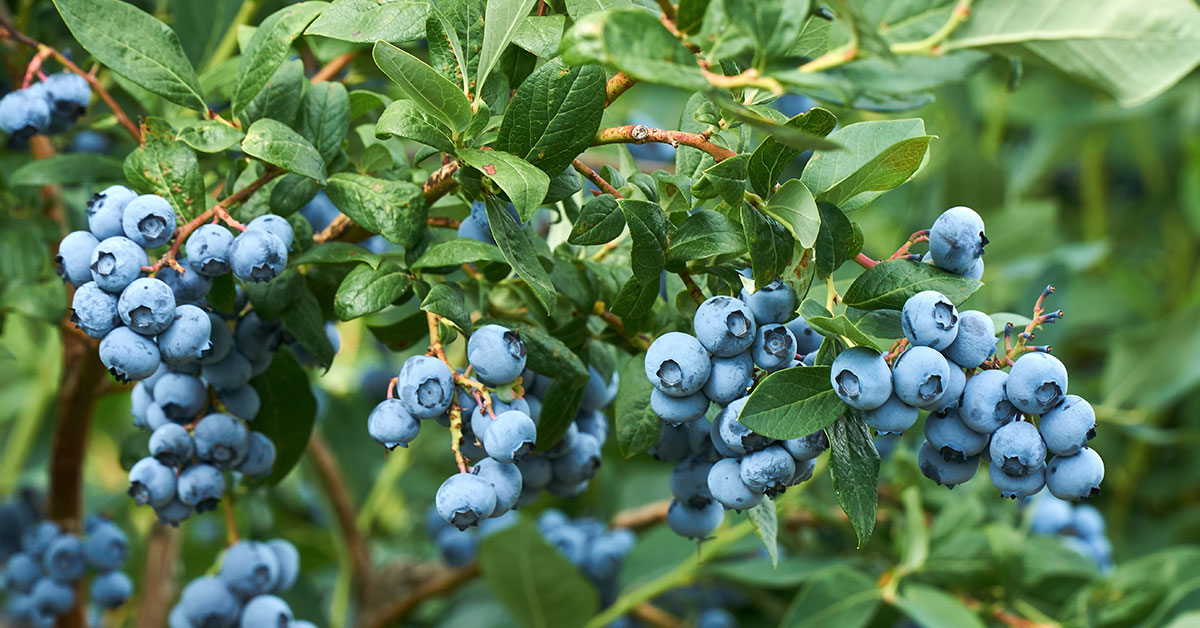

Montana, with its breathtaking landscapes and diverse climates, offers an ideal setting for growing blueberries. However, the key to successful blueberry cultivation lies in understanding the optimal time to plant these delicious and nutritious fruits. As a gardening expert, I am here to guide you through the process of determining the perfect timing for planting blueberries in Montana.
In this article, we will explore the unique characteristics of the Montana climate, the specific requirements of blueberry plants, and the factors to consider when deciding when to embark on your blueberry-growing journey. Whether you are a seasoned gardener or a beginner, this comprehensive guide will equip you with the knowledge and confidence to cultivate thriving blueberry bushes that will grace your garden with their vibrant colors and delectable fruits.
Best blueberries to grow in Montana
In Montana, highbush blueberries (Vaccinium corymbosum) are the most suitable variety to grow. They are well-adapted to the colder climate and can tolerate the harsh winters in Montana. Some recommended highbush blueberry cultivars for Montana include ‘Bluecrop,’ ‘Patriot,’ ‘Northland,’ and ‘Chippewa.’ These cultivars are known for their hardiness, productivity, and ability to withstand colder temperatures. It’s important to select cultivars that have a low chill requirement to ensure successful fruiting in Montana’s shorter growing season.
When to plant blueberries in Montana
In Montana, the best time to plant blueberries varies depending on the hardiness zone you are in. Montana has several hardiness zones, including zones 3, 4, and 5. Here’s a breakdown of the best planting times for blueberries in each zone:
Zone 3: In this zone, which includes areas like Great Falls and Havre, the best time to plant blueberries is in early spring, as soon as the soil is workable and temperatures consistently stay above freezing. This is typically around April or May.
Zone 4: This zone covers areas like Billings and Bozeman. Blueberries can be planted in early spring, similar to zone 3, but it’s important to monitor the weather and soil conditions. If the soil is still frozen or temperatures are fluctuating, it’s best to wait until the soil has thawed and temperatures have stabilized.
Zone 5: This zone includes areas like Missoula and Kalispell. Blueberries can be planted in early spring, but it’s important to be cautious of late spring frosts. If there is a risk of frost after planting, consider protecting the plants with frost blankets or other methods.
Regardless of the zone, it’s important to ensure that the soil is well-draining, acidic (pH between 4.5 and 5.5), and rich in organic matter. Blueberries prefer full sun but can tolerate partial shade. It’s also recommended to plant at least two different blueberry varieties for cross-pollination and better fruit production.
Before planting, prepare the soil by removing any weeds, rocks, or debris. Incorporate compost or well-rotted manure to improve soil fertility. Dig a hole slightly larger than the root ball of the blueberry plant and place it in the hole, making sure the crown is level with the soil surface. Backfill the hole with soil, gently firming it around the roots.
After planting, water the blueberry plants thoroughly and provide regular irrigation throughout the growing season. Mulching around the plants with pine needles, wood chips, or sawdust can help retain moisture and suppress weeds. Prune the plants in late winter or early spring to remove dead or damaged wood and promote healthy growth.
By following these guidelines and considering the specific hardiness zone, you can successfully plant blueberries in Montana and enjoy a bountiful harvest.
How to grow
Growing blueberries requires careful planning and attention to detail. Here are the steps and considerations to keep in mind:
- Variety selection: Choose a blueberry variety that is well-suited to your climate and growing conditions. Consider factors such as chill hours, disease resistance, and flavor.
- Site selection: Blueberries thrive in acidic soil with a pH between 4.5 and 5.5. Select a sunny location with well-drained soil. If your soil is not naturally acidic, you may need to amend it with sulfur or other acidifying agents.
- Soil preparation: Before planting, prepare the soil by removing any weeds, rocks, or debris. Incorporate organic matter such as compost or peat moss to improve drainage and fertility.
- Planting: Blueberries are typically planted in early spring or late fall. Dig a hole that is twice as wide and deep as the root ball. Place the plant in the hole, ensuring that the crown is level with or slightly above the soil surface. Backfill the hole with soil, gently firming it around the roots.
- Watering: Blueberries require consistent moisture, especially during the growing season. Water deeply and regularly, aiming to keep the soil evenly moist but not waterlogged. Mulching around the plants can help retain moisture and suppress weeds.
- Fertilizing: Blueberries have specific nutritional requirements. Apply a balanced fertilizer formulated for acid-loving plants in early spring and again in late spring. Avoid over-fertilizing, as this can lead to excessive vegetative growth and reduced fruit production.
- Pruning: Blueberries benefit from regular pruning to maintain their shape, remove dead or diseased wood, and promote airflow. Prune in late winter or early spring before new growth begins.
- Pest and disease management: Blueberries can be susceptible to pests such as birds, aphids, and mites, as well as diseases like powdery mildew and root rot. Monitor your plants regularly and take appropriate measures to control pests and diseases, such as using netting to protect against birds or applying organic insecticides when necessary.
- Harvesting: Blueberries are typically ready for harvest in summer. Pick the berries when they are fully ripe, which is indicated by their deep blue color and a slight softness. Harvesting can be done by gently twisting or cutting the berries from the plant.
- Winter protection: In colder climates, blueberries may require winter protection. Mulch around the base of the plants with straw or pine needles to insulate the roots and prevent frost damage.
Remember, blueberries are a long-term investment, and it may take a few years for the plants to reach full production. With proper care and attention, you can enjoy a bountiful harvest of delicious blueberries for many years to come.
When to harvest
In Montana, blueberries are typically ready to be picked from late July to early August. The exact timing can vary depending on the specific variety of blueberry and the local climate conditions. It is recommended to monitor the berries closely and pick them when they are fully ripe, which is indicated by their deep blue color and a slight softness to the touch.
Common blueberry problems and fixes
Common problems when growing blueberries include:
- Soil pH: Blueberries require acidic soil with a pH between 4.5 and 5.5. If the soil pH is too high, blueberries may suffer from nutrient deficiencies and struggle to absorb necessary minerals. To fix this, test the soil pH and lower it by adding elemental sulfur or acidic organic matter like pine needles or peat moss.
- Nutrient deficiencies: Blueberries are sensitive to nutrient imbalances, particularly iron and manganese deficiencies. Symptoms include yellowing leaves with green veins. To address this, apply a fertilizer specifically formulated for acid-loving plants, or use chelated iron and manganese supplements.
- Poor drainage: Blueberries prefer well-drained soil. If the soil is heavy or compacted, it may lead to root rot and other fungal diseases. Improve drainage by adding organic matter like compost or peat moss to the soil before planting. Raised beds can also help improve drainage.
- Inadequate pollination: Blueberries require cross-pollination for optimal fruit set. If you have only one blueberry variety, there may be limited pollination, resulting in poor fruit production. Plant two or more different blueberry varieties to ensure proper pollination.
- Bird damage: Birds are attracted to blueberries and can quickly decimate the crop. Protect the plants by using bird netting or scare devices like reflective tape or wind chimes.
- Pest infestations: Blueberries can be susceptible to pests such as aphids, mites, and fruit flies. Monitor plants regularly and use organic insecticides or insecticidal soaps to control infestations. Beneficial insects like ladybugs can also help control pests.
- Disease susceptibility: Blueberries can be prone to diseases like powdery mildew, botrytis fruit rot, and root rot. Ensure good air circulation around the plants, avoid overhead watering, and remove any infected plant material promptly. Fungicides may be necessary in severe cases.
- Winter damage: Blueberries are generally hardy, but extreme cold temperatures can cause damage to flower buds and stems. Protect plants during winter by mulching around the base with straw or pine needles to insulate the roots.
Regular monitoring, proper care, and timely intervention can help address these common problems and ensure healthy blueberry plants and a bountiful harvest.