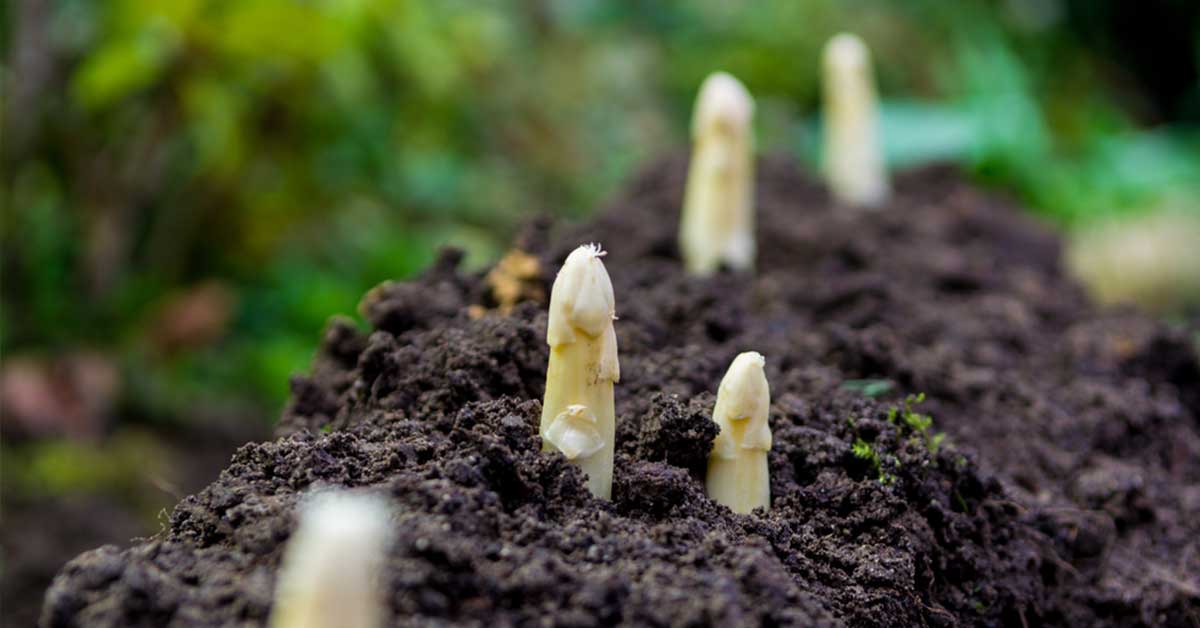

Asparagus, a delicious and nutritious vegetable, thrives in the diverse climate of New Zealand. Known for its tender spears and distinct flavor, asparagus is a popular choice among gardeners and food enthusiasts alike. However, to ensure a bountiful harvest, it is crucial to plant asparagus at the right time. New Zealand’s temperate climate offers a favorable environment for asparagus cultivation, but the timing can vary depending on the region. In this article, we will delve into the optimal planting time for asparagus in New Zealand, taking into account the unique climatic conditions and factors that influence successful growth.
Whether you are a seasoned gardener or a beginner looking to embark on an asparagus-growing adventure, understanding the ideal planting time will set you on the path to a thriving asparagus patch.
Best varieties of Asparagus to grow in New Zealand
In New Zealand, there are several varieties of asparagus that grow well in our conditions. Here are a few popular varieties:
- Mary Washington: This is a traditional and reliable variety that performs well in New Zealand. It produces thick, tender spears with good flavor.
- Pacific Purple: This variety is known for its attractive purple spears. It has a slightly sweeter flavor compared to green asparagus and is a popular choice among gardeners.
- Jersey Giant: Jersey Giant is a high-yielding variety that produces thick, succulent spears. It is known for its disease resistance and ability to adapt to different soil types.
- UC157 F2: This is a widely grown hybrid variety that is known for its uniform spears and high productivity. It has good disease resistance and performs well in New Zealand’s climate.
- Gijnlim: Gijnlim is a Dutch variety that has gained popularity in New Zealand. It produces early and abundant harvests of tender, green spears.
It’s important to note that asparagus is a perennial crop, and once established, it can continue to produce for many years. When selecting a variety, consider factors such as taste preferences, disease resistance, and adaptability to your specific growing conditions.
When to plant Asparagus in New Zealand
The best time to plant asparagus in New Zealand is during the early spring, which is typically from September to October. This allows the asparagus crowns to establish themselves before the growing season begins. It is important to note that asparagus is a perennial vegetable, so it requires a long-term commitment as it takes a few years to establish a productive asparagus bed.
When to harvest Asparagus in New Zealand
Asparagus can be harvested in New Zealand from late September to early December, depending on the region and weather conditions. The exact timing may vary slightly depending on the specific variety of asparagus and local climate. It is important to wait until the asparagus spears are around 15-20cm (6-8 inches) tall before harvesting. This allows the plants to establish and develop a strong root system for future growth. Harvesting too early can weaken the plants and reduce future yields. It is recommended to harvest asparagus spears by cutting them at ground level using a sharp knife or scissors. Regular harvesting encourages the production of more spears and extends the harvest season.
Other considerations
When growing asparagus in New Zealand, there are several important considerations to keep in mind:
- Soil: Asparagus thrives in well-draining soil with a pH level between 6.5 and 7.5. It prefers sandy loam or loamy soil that is rich in organic matter. Ensure the soil is well-prepared before planting, as asparagus is a perennial crop that will remain in the same spot for several years.
- Climate: Asparagus grows best in areas with cool winters and mild summers. It is well-suited to most regions in New Zealand, but it may struggle in areas with extremely hot summers or heavy frosts. Consider choosing a variety that is suitable for your specific climate.
- Sunlight: Asparagus requires full sun to grow and produce a good harvest. Choose a location in your garden that receives at least 6-8 hours of direct sunlight each day.
- Planting: Asparagus is typically grown from crowns (1-year-old plants) or seeds. Plant crowns in early spring, spacing them about 30-45 cm apart in trenches that are 20-30 cm deep. Ensure the crowns are planted with their buds facing upwards. If starting from seeds, sow them indoors in late winter and transplant the seedlings to the garden once they are 6-8 weeks old.
- Watering: Asparagus plants require regular watering, especially during dry periods. Keep the soil consistently moist but avoid overwatering, as excessive moisture can lead to root rot. Mulching around the plants can help retain soil moisture and suppress weed growth.
- Fertilization: Asparagus is a heavy feeder and benefits from regular fertilization. Before planting, incorporate well-rotted compost or aged manure into the soil. In subsequent years, apply a balanced organic fertilizer in early spring and again after the harvest. Avoid using high-nitrogen fertilizers, as they can promote excessive foliage growth at the expense of the edible spears.
- Weed control: Asparagus plants do not compete well with weeds, so it is essential to keep the planting area weed-free. Regularly remove any weeds that emerge and consider using mulch or a weed suppressant fabric to minimize weed growth.
- Pest and disease management: Asparagus can be susceptible to pests such as asparagus beetle and slugs. Monitor your plants regularly and take appropriate measures to control these pests if necessary. Common diseases that can affect asparagus include crown rot and rust. Planting disease-resistant varieties and practicing good garden hygiene can help prevent these issues.
- Harvesting: Asparagus can be harvested when the spears reach a height of 15-20 cm. Cut the spears at ground level using a sharp knife or scissors. Avoid overharvesting in the first year to allow the plants to establish a strong root system. In subsequent years, harvest for 6-8 weeks and then allow the remaining spears to grow and develop into ferns, which will provide energy for next year’s crop.
By considering these factors, you can successfully grow asparagus in New Zealand and enjoy a bountiful harvest.