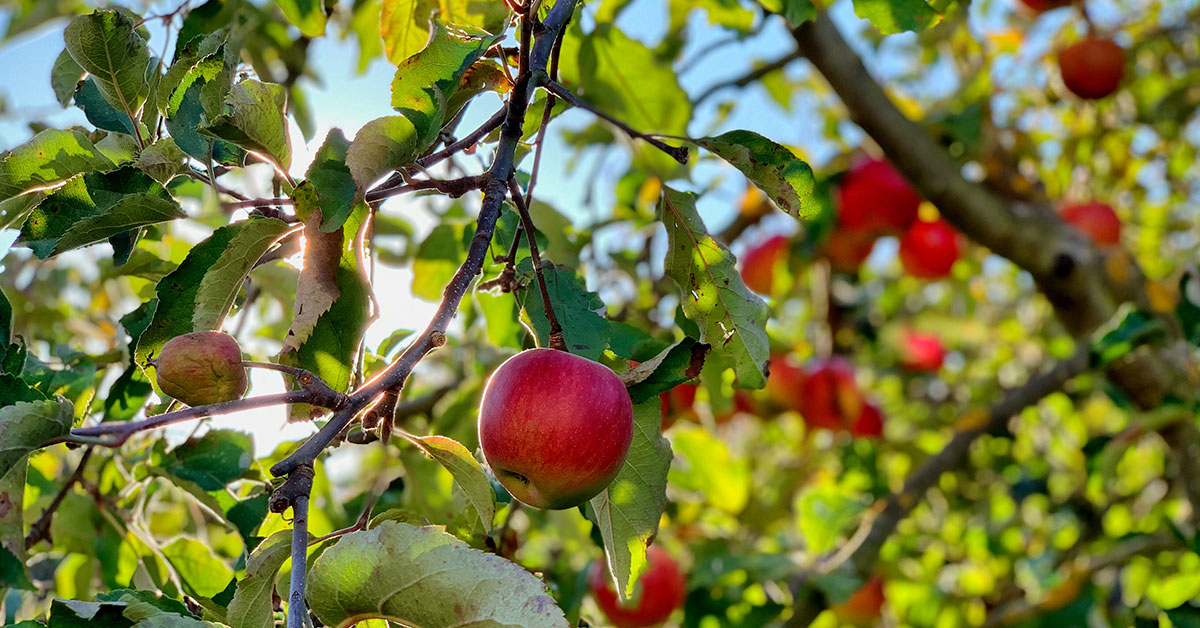

Welcome to our comprehensive guide on planting apple trees in Zone 6! If you’re an avid gardener or simply have a love for apples, you’ve come to the right place. Zone 6, which encompasses regions with average annual minimum temperatures ranging from -10 to 0 degrees Fahrenheit (-23 to -18 degrees Celsius), offers a suitable climate for growing apple trees.
However, timing is crucial when it comes to planting these fruit-bearing beauties. In this article, we will delve into the optimal time to plant apple trees in Zone 6, taking into consideration factors such as weather patterns, soil conditions, and the specific apple varieties that thrive in this region.
Whether you’re a beginner or an experienced gardener, this guide will equip you with the knowledge you need to ensure successful apple tree growth and a bountiful harvest in Zone 6.
Best apple varieties to grow in Zone 6
In Zone 6, which is characterized by cold winters and moderate summers, there are several apple varieties that tend to grow well. Here are a few apple varieties that are known to thrive in Zone 6:
- Honeycrisp: This variety is popular for its crisp texture and sweet-tart flavor. It requires a long growing season, which is typically found in Zone 6.
- Gala: Gala apples are known for their mild, sweet flavor and crisp texture. They are relatively easy to grow and can adapt well to various climates, including Zone 6.
- Fuji: Fuji apples have a sweet and firm flesh, making them excellent for fresh eating and storage. They require a longer growing season, which is typically found in Zone 6.
- Jonathan: Jonathan apples have a tangy-sweet flavor and are excellent for both fresh eating and cooking. They are a hardy variety that can withstand colder temperatures in Zone 6.
- Golden Delicious: This classic apple variety is known for its sweet, mild flavor and crisp texture. It is a reliable grower in Zone 6 and can be used for various purposes, including fresh eating, baking, and juicing.
Remember, while these apple varieties are generally well-suited for Zone 6, it’s essential to consider other factors such as soil conditions, sunlight exposure, and disease resistance when selecting apple trees for your specific location.
When to plant apple trees in Zone 6
In Zone 6, the best time to plant apple trees is typically in the early spring or late fall. However, it’s important to note that the exact timing may vary slightly depending on the specific state within Zone 6. Here’s a breakdown of the best time to plant apple trees in each of the states within Zone 6:
- Connecticut: In Connecticut, the best time to plant apple trees is in early spring, around late March to early April. This allows the tree to establish its root system before the summer heat arrives.
- Delaware: In Delaware, the ideal time for planting apple trees is also in early spring, typically from late March to early April. This timing ensures that the tree has enough time to establish its roots before the hot summer months.
- Maryland: In Maryland, the best time to plant apple trees is in early spring, around late March to early April. This allows the tree to take advantage of the cool and moist conditions of spring for root establishment.
- Massachusetts: In Massachusetts, the recommended time for planting apple trees is in early spring, usually from late March to early April. This timing allows the tree to establish its roots before the summer heat arrives.
- New Hampshire: In New Hampshire, the best time to plant apple trees is in early spring, typically from late March to early April. This timing ensures that the tree has enough time to establish its roots before the hot summer months.
- New Jersey: In New Jersey, the ideal time for planting apple trees is in early spring, around late March to early April. This timing allows the tree to take advantage of the cool and moist conditions of spring for root establishment.
- New York: In New York, the recommended time for planting apple trees is in early spring, usually from late March to early April. This timing allows the tree to establish its roots before the summer heat arrives.
- Pennsylvania: In Pennsylvania, the best time to plant apple trees is in early spring, typically from late March to early April. This timing ensures that the tree has enough time to establish its roots before the hot summer months.
- Rhode Island: In Rhode Island, the ideal time for planting apple trees is in early spring, around late March to early April. This timing allows the tree to take advantage of the cool and moist conditions of spring for root establishment.
- Vermont: In Vermont, the recommended time for planting apple trees is in early spring, usually from late March to early April. This timing allows the tree to establish its roots before the summer heat arrives.
Remember, these are general guidelines, and it’s always a good idea to check with local nurseries or agricultural extension offices for more specific information about the best time to plant apple trees in your specific location within Zone 6.
How to grow apple trees in Zone 6
Growing apple trees requires careful planning and attention to detail. Here are the steps and considerations to keep in mind:
- Selecting the Right Variety: Choose an apple tree variety that is suitable for your climate, soil type, and available space. Consider factors such as disease resistance, pollination requirements, and harvest time.
- Choosing the Right Location: Apple trees need a sunny location with well-drained soil. Avoid low-lying areas prone to frost or areas with poor air circulation. Ensure there is enough space for the tree to grow and spread its branches.
- Soil Preparation: Prepare the soil by removing weeds, rocks, and debris. Test the soil pH and make necessary amendments to achieve a slightly acidic pH level of around 6.0-6.5. Incorporate organic matter like compost or well-rotted manure to improve soil fertility and drainage.
- Planting: Dig a hole that is wide and deep enough to accommodate the tree’s root system. Place the tree in the hole, ensuring the bud union (the swollen area where the tree was grafted) is above the soil line. Backfill the hole with soil, gently firming it around the roots. Water thoroughly after planting.
- Pruning: Prune the apple tree during its dormant season (late winter or early spring) to remove dead, damaged, or crossing branches. Pruning helps improve air circulation, sunlight penetration, and overall tree health. It also shapes the tree and promotes fruit production.
- Watering: Apple trees require regular watering, especially during dry periods. Provide deep, thorough watering to ensure the roots receive adequate moisture. Avoid overwatering, as it can lead to root rot.
- Fertilizing: Apply a balanced fertilizer in early spring before new growth begins. Use a fertilizer specifically formulated for fruit trees and follow the package instructions. Avoid excessive nitrogen, as it can promote excessive vegetative growth at the expense of fruit production.
- Pest and Disease Management: Monitor the tree regularly for pests like aphids, codling moths, and apple maggots. Use organic or chemical controls as necessary to manage infestations. Apply dormant oil spray in late winter to smother overwintering pests and their eggs. Additionally, practice good sanitation by removing fallen leaves and fruit to prevent disease spread.
- Pollination: Some apple tree varieties require cross-pollination with another compatible apple variety for fruit set. Ensure you have at least two compatible apple trees or use a self-fertile variety. Planting flowering plants nearby can attract pollinators and improve pollination.
- Harvesting: Harvest apples when they are fully ripe. Different varieties have different ripening times, so monitor the fruit’s color, firmness, and taste to determine readiness. Twist or gently lift the apple from the branch to avoid damaging the tree.
Remember, growing apple trees requires patience, as it takes several years for the tree to mature and produce abundant fruit. Regular care, maintenance, and attention to the tree’s needs will ensure a successful harvest.
When to harvest apples in Zone 6
In Zone 6, the ideal time to pick apples typically falls between late August and early October. The exact timing can vary depending on the specific apple variety you are growing. It is important to monitor the fruit’s maturity by observing its color, firmness, and taste. Additionally, different apple varieties have different harvest windows, so it is recommended to consult the specific variety’s harvesting guidelines for more accurate timing.
Common apple tree problems and fixes
There are several common problems that apple trees may encounter during their growth. Here are a few along with their respective fixes:
- Pest infestation: Common pests that affect apple trees include aphids, codling moths, apple maggots, and spider mites. To address this issue, you can use insecticidal soaps or horticultural oils to control aphids and spider mites. For codling moths and apple maggots, you can use pheromone traps or apply insecticides at specific times during the growing season.
- Fungal diseases: Apple trees are susceptible to various fungal diseases such as apple scab, powdery mildew, and cedar apple rust. To combat apple scab, choose disease-resistant apple varieties and apply fungicides during the growing season. Powdery mildew can be controlled by ensuring proper air circulation and applying fungicides if necessary. Cedar apple rust can be managed by removing nearby cedar trees and applying fungicides when needed.
- Nutrient deficiencies: Apple trees may suffer from nutrient deficiencies, such as nitrogen, phosphorus, or potassium. Conduct a soil test to determine the specific nutrient deficiencies and adjust fertilizer applications accordingly. Organic amendments like compost or well-rotted manure can also help improve overall soil fertility.
- Improper pruning: Incorrect pruning techniques can lead to issues like reduced fruit production, disease susceptibility, and poor tree structure. Learn proper pruning methods for apple trees, including removing dead or diseased branches, thinning out crowded areas, and shaping the tree to promote airflow and sunlight penetration.
- Watering problems: Overwatering or underwatering can negatively impact apple trees. Ensure that your apple tree receives adequate water, especially during dry periods. Provide deep, infrequent waterings rather than shallow, frequent ones. Mulching around the base of the tree can help retain soil moisture and regulate temperature.
Remember, prevention is key when it comes to maintaining healthy apple trees. Regular monitoring, proper care, and timely intervention can help prevent many problems from occurring in the first place.