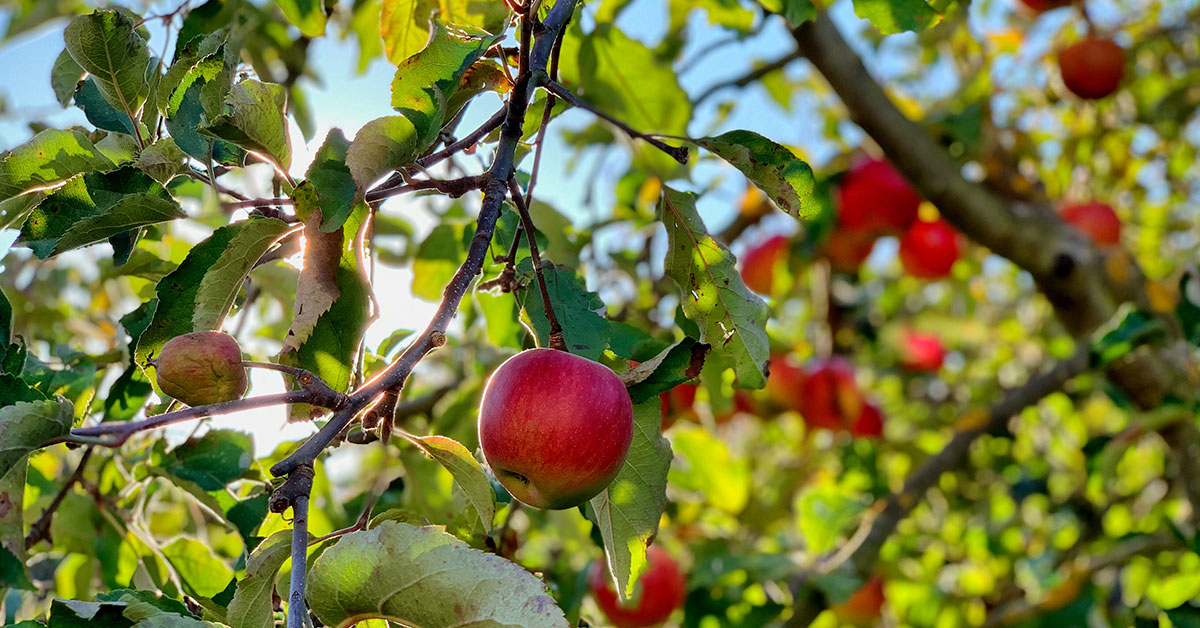

Welcome to the world of apple tree cultivation in Zone 10! If you are a gardening enthusiast residing in this warm and sunny region, you might be wondering when is the best time to plant apple trees. Growing apple trees in Zone 10 comes with its own set of challenges and considerations, as the climate and conditions differ from those in cooler regions. In this article, we will explore the optimal timing for planting apple trees in Zone 10, taking into account factors such as temperature, rainfall, and the specific needs of apple tree varieties that thrive in this zone.
Whether you are a seasoned gardener or a beginner, this guide will equip you with the knowledge and confidence to successfully establish apple trees in your Zone 10 garden.
Best apple varieties to grow in Zone 10
In Zone 10, where the climate is warm and typically frost-free, growing apple trees can be a bit challenging as most apple varieties require a certain amount of winter chilling hours to set fruit properly. However, there are a few apple varieties that are more suitable for Zone 10 conditions. Here are a few options:
- Anna: This variety is well-suited for warm climates and can tolerate low chill hours. It produces medium-sized, sweet apples that are great for eating fresh.
- Dorsett Golden: Another apple variety that thrives in warm climates, Dorsett Golden is self-fertile and can set fruit with as little as 100 chill hours. The apples are crisp, sweet, and excellent for fresh eating or juicing.
- Ein Shemer: Originating from Israel, Ein Shemer is a heat-tolerant apple variety that can adapt well to Zone 10 conditions. It requires around 200-300 chill hours and produces medium-sized, sweet apples.
- Tropic Sweet: As the name suggests, Tropic Sweet is specifically bred for tropical and subtropical climates. It requires minimal chill hours and produces small to medium-sized sweet apples that are good for fresh eating.
- Golden Dorsett: Similar to Dorsett Golden, this variety is also self-fertile and can set fruit with low chill hours. The apples are sweet and crispy, making them suitable for fresh consumption.
Remember, while these apple varieties are more suitable for Zone 10, they may still require some winter chilling hours to set fruit properly. Additionally, providing adequate irrigation, shade, and protection from extreme heat will help ensure the success of your apple trees in a warm climate.
When to plant apple trees in Zone 10
In Zone 10, the best time to plant apple trees is during the cooler months of the year when the temperatures are milder. This allows the tree to establish its roots before the hot summer months. The ideal time to plant apple trees in Zone 10 is typically during late fall or early winter, between November and February.
However, it’s important to note that specific planting times may vary within Zone 10, depending on the state’s hardiness zones. Here is a breakdown of the best planting times for apple trees in each of the hardiness zones within Zone 10:
- Zone 10a: This zone experiences mild winters with temperatures rarely dropping below 30°F (-1°C). In Zone 10a, the best time to plant apple trees is during the late fall or early winter, between November and December.
- Zone 10b: This zone has slightly cooler winters compared to Zone 10a, with temperatures occasionally dropping to 25°F (-4°C). In Zone 10b, the recommended planting time for apple trees is also during the late fall or early winter, between November and December.
It’s important to consider the specific microclimates within your area, as they can affect the ideal planting time for apple trees. Factors such as elevation, proximity to bodies of water, and local weather patterns can influence the timing. It’s always a good idea to consult with local nurseries or agricultural extension offices for more precise planting recommendations based on your specific location within Zone 10.
How to grow apple trees in Zone 10
Growing apple trees requires careful planning and attention to detail. Here are the steps and considerations to keep in mind:
- Site Selection: Choose a location that receives full sun for at least 6-8 hours a day. Ensure the soil is well-drained and fertile. Avoid low-lying areas prone to frost pockets or areas with strong winds.
- Soil Preparation: Test the soil pH and make sure it falls between 6.0-7.0, which is ideal for apple trees. Improve the soil by incorporating organic matter like compost or well-rotted manure.
- Variety Selection: Choose apple tree varieties that are suitable for your climate and growing conditions. Consider factors such as chill hours (the number of hours below 45°F/7°C required for proper fruiting), disease resistance, and desired apple characteristics.
- Planting: Dig a hole that is wide and deep enough to accommodate the tree’s root system. Place the tree in the hole, ensuring the bud union (the swollen area where the tree was grafted onto the rootstock) is above the soil line. Backfill the hole with soil, gently firming it around the roots.
- Pruning: Prune apple trees during their dormant season (late winter or early spring) to remove dead, damaged, or crossing branches. Pruning helps maintain tree shape, improve air circulation, and promote fruit production.
- Watering: Provide regular and deep watering, especially during dry periods. Aim to keep the soil consistently moist but not waterlogged. Mulching around the base of the tree helps retain moisture and suppress weeds.
- Fertilization: Apply a balanced fertilizer in early spring before new growth begins. Follow the recommended dosage based on the tree’s age and size. Avoid over-fertilizing, as it can lead to excessive vegetative growth and reduced fruiting.
- Pest and Disease Management: Monitor your apple trees regularly for pests like aphids, codling moths, and apple maggots. Use organic or chemical controls as necessary. Also, be vigilant for diseases such as apple scab, powdery mildew, and fire blight. Apply appropriate fungicides or take preventive measures to manage these diseases.
- Thinning: Once the fruit has set, thin it out to ensure proper spacing and promote larger, healthier apples. Remove excess fruit to prevent overcrowding and improve overall fruit quality.
- Harvesting: Apples are typically ready for harvest when they have reached their full color and easily detach from the tree with a gentle twist. Harvesting times vary depending on the variety, so consult specific guidelines for your chosen apple variety.
Remember, growing apple trees requires patience and ongoing care. Regular monitoring, maintenance, and timely interventions will help ensure healthy trees and a bountiful harvest.
When to harvest apples in Zone 10
In Zone 10, where the climate is typically warm, apple trees have different growing and harvesting requirements compared to cooler regions. In this zone, apple trees generally have a longer growing season and may require some specific apple varieties that are better suited to the warmer climate.
The ideal time to pick apples in Zone 10 is typically in late summer or early fall. The exact timing may vary depending on the specific apple variety you are growing. Most apple varieties require a certain number of days from bloom to harvest, known as the “days to maturity.” This information can usually be found on the seed packet or plant label when you purchase the apple tree.
To determine the optimal harvest time, it’s important to monitor the apple tree closely. Look for signs of maturity such as the color of the fruit, firmness, and taste. Apples are usually ready to be picked when they have reached their full color, have a firm texture, and have a sweet or tart taste, depending on the variety.
Additionally, it’s crucial to consider the weather conditions in Zone 10. High temperatures can affect the quality of the apples, causing them to ripen more quickly or develop sunburn. If you notice any signs of heat stress or sunburn on the apples, it’s best to harvest them earlier to prevent further damage.
Overall, it’s recommended to consult with local gardening experts or agricultural extension services in your specific area of Zone 10 for more precise information on apple varieties and their optimal harvest times.
Common apple tree problems and fixes
There are several common problems that apple trees can face, along with their respective fixes:
- Pest infestation: Apple trees can be susceptible to pests like aphids, codling moths, apple maggots, and mites. Regularly inspect your trees for signs of infestation, such as distorted leaves, holes in fruit, or sticky residue. Use organic insecticides or introduce beneficial insects like ladybugs to control pests.
- Disease: Apple trees can be affected by diseases like apple scab, powdery mildew, fire blight, and cedar apple rust. To prevent diseases, choose disease-resistant apple tree varieties, maintain good air circulation by pruning, and avoid overhead watering. Fungicidal sprays can be used as a preventive measure or to treat existing infections.
- Poor fruit set: If your apple tree produces few or no fruits, it may be due to inadequate pollination. Ensure that there are compatible apple tree varieties nearby for cross-pollination. You can also hand-pollinate by transferring pollen from one flower to another using a small brush.
- Nutrient deficiencies: Apple trees require a balanced supply of nutrients for healthy growth and fruit production. Common deficiencies include nitrogen, phosphorus, potassium, and magnesium. Conduct a soil test to identify deficiencies and amend the soil accordingly with organic fertilizers or specific nutrient supplements.
- Watering issues: Over or under-watering can cause stress to apple trees. Ensure that the soil is well-drained and water deeply but infrequently, allowing the top few inches of soil to dry out between watering. Mulching around the base of the tree helps retain moisture and regulate soil temperature.
- Sunburn: Excessive exposure to direct sunlight can cause sunburn on apple tree bark and fruit. Protect the trunk with tree wraps or paint, and thin out branches to allow better air circulation and reduce heat stress.
- Pruning mistakes: Improper pruning can lead to weak tree structure, reduced fruit production, and increased vulnerability to diseases. Learn proper pruning techniques or consult an arborist to ensure correct pruning practices, such as removing dead or crossing branches and maintaining an open canopy.
Remember, prevention is key to maintaining healthy apple trees. Regular monitoring, proper care, and timely intervention can help prevent many problems and ensure a bountiful harvest.