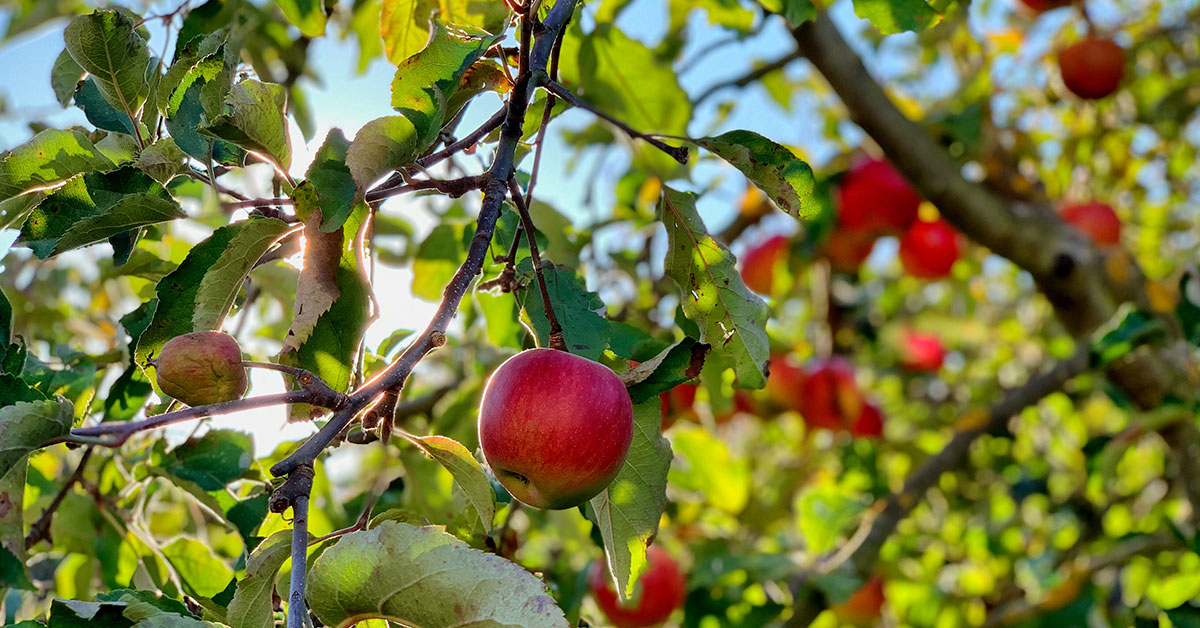

Welcome to the world of growing apple trees in Virginia! If you’ve ever dreamed of having your own backyard orchard, filled with the sweet and crisp fruits of your labor, then you’re in the right place. But before you dive into the exciting world of apple tree planting, it’s important to know the optimal time to get started.
Virginia’s climate offers a unique set of challenges and advantages for apple tree growers, and understanding the best planting window is crucial for success. In this article, we will explore the ideal timing for planting apple trees in Virginia, taking into consideration the region’s climate, soil conditions, and the specific needs of different apple varieties. So, grab your gardening gloves and let’s get ready to embark on a fruitful journey!
Best apple varieties to grow in Virginia
In Virginia, some apple varieties that grow well are:
- ‘York’: This variety is known for its excellent flavor and is a good all-purpose apple. It is a late-season apple that stores well.
- ‘Stayman’: This apple has a tart flavor and is great for baking and cooking. It is a mid to late-season apple and is known for its excellent storage capabilities.
- ‘Gala’: Gala apples are sweet and crisp, making them a popular choice for fresh eating. They are an early to mid-season apple.
- ‘Golden Delicious’: This variety is a classic and is known for its sweet and mellow flavor. It is a mid to late-season apple and stores well.
- ‘Granny Smith’: Granny Smith apples are tart and firm, making them ideal for baking and cooking. They are a late-season apple and have good storage capabilities.
- ‘Fuji’: Fuji apples are sweet and crisp, making them great for fresh eating and salads. They are a late-season apple and have good storage capabilities.
It’s important to note that different apple varieties have different requirements for pollination, so it’s recommended to plant multiple varieties to ensure proper cross-pollination and fruit set. Additionally, local nurseries and agricultural extension offices can provide more specific recommendations based on your location within Virginia.
When to plant apple trees in Virginia
In Virginia, the best time to plant apple trees varies slightly depending on the specific hardiness zone. Here are the recommended planting times for each zone:
- Zone 6: The best time to plant apple trees in Zone 6, which covers parts of Northern Virginia, is in late winter to early spring. This typically falls between February and March when the soil is workable and the risk of frost has reduced.
- Zone 7: In Zone 7, which includes most of central and southern Virginia, the ideal time to plant apple trees is also in late winter to early spring. This is usually between February and March, similar to Zone 6.
- Zone 8: For Zone 8, which encompasses the southeastern coastal areas of Virginia, the best time to plant apple trees is in early spring. This is typically in March or early April when the soil has warmed up, but before the onset of hot summer temperatures.
It’s important to note that these are general guidelines, and the specific timing may vary depending on weather conditions and the specific cultivar of apple tree you are planting. It’s always a good idea to consult with local nurseries or gardening experts for more precise recommendations based on your location and the specific apple tree variety you intend to plant.
How to grow apple trees in Virginia
Growing apple trees requires careful planning and attention to detail. Here are the steps and considerations to keep in mind:
- Selecting the Right Apple Variety: Choose apple varieties that are suitable for your climate and growing conditions. Consider factors like chill hours (the number of hours below 45°F/7°C required for fruit production), disease resistance, and pollination requirements.
- Site Selection: Apple trees require a sunny location with well-drained soil. Avoid low-lying areas prone to frost or waterlogging. Ensure the site has good air circulation to minimize disease risks.
- Soil Preparation: Test your soil to determine its pH and nutrient levels. Apple trees prefer slightly acidic soil with a pH range of 6.0-6.5. Amend the soil with organic matter like compost or well-rotted manure to improve fertility and drainage.
- Planting: Dig a hole wide and deep enough to accommodate the tree’s root system. Place the tree in the hole, ensuring the bud union (the swollen area where the tree was grafted onto the rootstock) is above the soil line. Backfill the hole with soil, gently firming it around the roots.
- Watering: Newly planted apple trees require regular watering to establish their root system. Water deeply but infrequently, providing around 1 inch of water per week. Avoid overwatering, as it can lead to root rot.
- Pruning: Prune apple trees during their dormant season (late winter or early spring) to remove dead, damaged, or crossing branches. Pruning helps maintain tree shape, improve air circulation, and promote fruit production.
- Fertilizing: Apply a balanced fertilizer in early spring before new growth begins. Use a formulation specifically designed for fruit trees and follow the manufacturer’s instructions. Avoid over-fertilizing, as it can lead to excessive vegetative growth and reduced fruiting.
- Pest and Disease Management: Monitor your apple trees regularly for pests like aphids, codling moths, and apple maggots. Use organic pest control methods whenever possible, such as insecticidal soaps or horticultural oils. Implement disease prevention strategies like proper pruning, regular sanitation, and applying fungicides if necessary.
- Pollination: Most apple trees require cross-pollination with another compatible apple variety for optimal fruit set. Ensure you have at least one other apple tree nearby that blooms at the same time and is a suitable pollinator.
- Harvesting: Apples are typically ready for harvest in late summer or early fall, depending on the variety. Harvest when the fruit is fully colored, firm, and easily separates from the tree with a gentle twist. Store apples in a cool, dark place with good ventilation to maximize their shelf life.
Remember, growing apple trees can be a long-term commitment, as they take several years to reach full fruiting potential. Patience and consistent care will reward you with a bountiful harvest of delicious apples.
When to harvest apples in Virginia
In Virginia, the ideal time to pick apples can vary depending on the specific apple variety you are growing. However, as a general guideline, apple harvesting in Virginia typically begins in late August and continues through October. It’s important to note that different apple varieties have different maturation periods, so it’s crucial to know the specific variety you are growing to determine the optimal harvest time.
Additionally, factors such as weather conditions and the tree’s health can also affect the timing of apple picking. To ensure the apples are at their peak flavor and texture, it’s recommended to monitor the fruit’s color, firmness, and taste regularly as they approach maturity.
Common apple tree problems and fixes
There are several common problems that apple trees may encounter, along with their respective fixes:
- Pest infestation: Common pests that affect apple trees include aphids, codling moths, apple maggots, and mites. To combat these pests, you can use insecticidal soaps or horticultural oils, introduce beneficial insects like ladybugs or lacewings, or set up pheromone traps. Regularly inspecting the trees for signs of infestation is crucial for early detection and control.
- Disease outbreaks: Apple trees are susceptible to diseases such as apple scab, powdery mildew, fire blight, and cedar apple rust. To prevent and manage these diseases, practice good sanitation by removing fallen leaves and infected plant material. Applying fungicides or using disease-resistant apple tree varieties can also help control the spread of diseases.
- Poor fruit production: Several factors can lead to poor fruit production, including inadequate pollination, lack of sunlight, nutrient deficiencies, or improper pruning. To address these issues, consider planting compatible pollinator varieties nearby, ensure the tree receives at least 6-8 hours of direct sunlight, perform regular soil tests to address nutrient deficiencies, and follow proper pruning techniques to promote healthy growth and fruit production.
- Watering and irrigation problems: Over or under-watering can cause stress to apple trees. It is important to maintain consistent soil moisture levels by providing regular, deep watering during dry periods. Avoid over-watering, as it can lead to root rot and other fungal diseases. Mulching around the base of the tree can help retain moisture and regulate soil temperature.
- Winter damage: Cold temperatures and frost can damage apple trees, especially in regions with harsh winters. Protect your trees by wrapping the trunk with tree wraps or burlap, applying a layer of mulch around the base, and avoiding late-season pruning that can stimulate new growth susceptible to frost damage.
Remember, prevention is key when it comes to maintaining healthy apple trees. Regular monitoring, proper care, and timely intervention can help prevent many common problems and ensure a bountiful harvest.