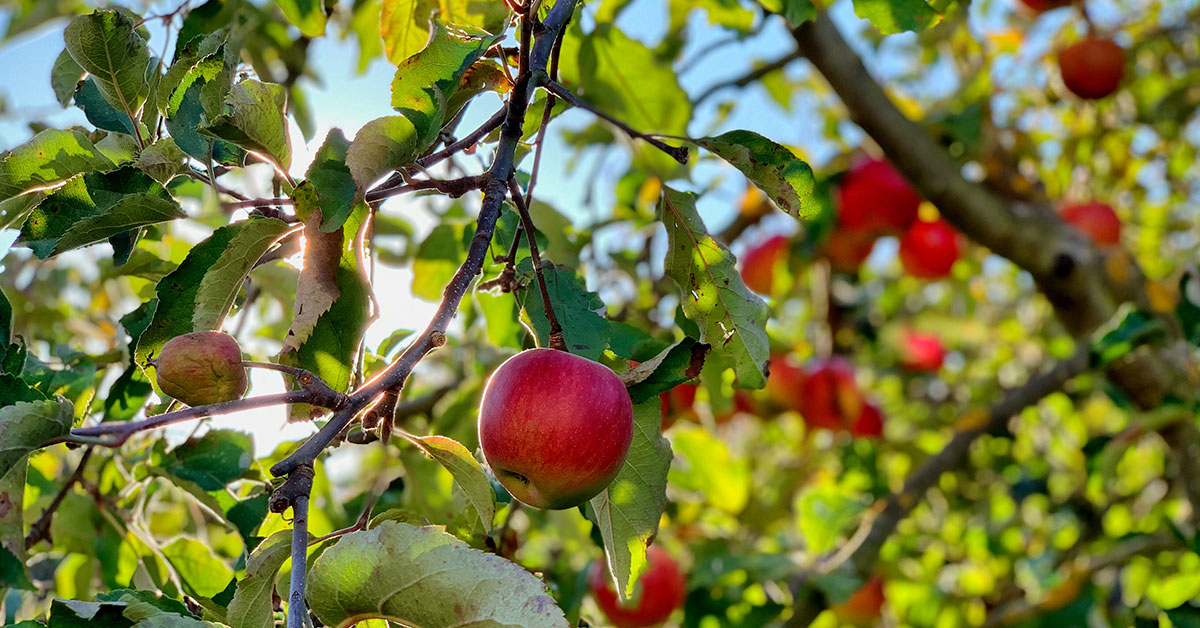

Welcome to our comprehensive guide on planting apple trees in Tennessee! If you’re an avid gardener or simply someone who appreciates the joy of growing your own fresh produce, apple trees are an excellent addition to your backyard or orchard. Tennessee’s moderate climate and fertile soil create an ideal environment for apple trees to thrive.
However, timing is crucial when it comes to planting these fruit-bearing beauties. In this article, we will delve into the best time to plant apple trees in Tennessee, considering the region’s unique climate and the specific needs of apple trees.
Whether you’re a beginner or an experienced gardener, this information will help you make informed decisions and ensure a successful apple tree planting experience. So, let’s dive in and discover the perfect timing for planting apple trees in the Volunteer State!
Best apple varieties to grow in Tennessee
In Tennessee, several apple varieties thrive due to the state’s climate and soil conditions. Here are some apple varieties that grow well in Tennessee:
- Arkansas Black: This variety is known for its dark red to almost black skin and crisp, tart flavor. It is a late-season apple that stores well.
- Granny Smith: These apples have a bright green skin and a tart flavor. They are excellent for baking and cooking and are typically harvested in late September.
- Fuji: Fuji apples have a sweet and crisp flavor with a yellow-green skin that turns red when fully ripe. They are usually harvested in late September to early October.
- Gala: Gala apples are known for their sweet, mild flavor and crisp texture. They have a yellow-orange skin with red striping and are typically harvested in late August to early September.
- Golden Delicious: These apples have a sweet, honey-like flavor and a yellow-green skin. They are versatile and can be used for eating, baking, or cooking. Golden Delicious apples are usually harvested in late September to early October.
- Red Delicious: Red Delicious apples have a sweet, mildly tart flavor and a bright red skin. They are excellent for eating fresh and are typically harvested in late September.
- Rome Beauty: Rome Beauty apples have a mildly tart flavor and a bright red skin with green undertones. They are often used for baking and cooking and are usually harvested in late September to early October.
It’s important to note that apple tree varieties can vary in their adaptability to specific regions within Tennessee. Therefore, it’s recommended to consult with local nurseries or agricultural extension offices for more precise recommendations based on your specific location in the state.
When to plant apple trees in Tennessee
In Tennessee, the best time to plant apple trees varies slightly depending on the specific hardiness zone. Tennessee is divided into three main hardiness zones: Zone 6a, Zone 6b, and Zone 7a. Here are the recommended planting times for each zone:
- Zone 6a: The best time to plant apple trees in Zone 6a is in early spring, typically between late February and early April. This allows the tree to establish its root system before the hot summer months. It is important to avoid planting too early when the soil is still frozen or waterlogged.
- Zone 6b: In Zone 6b, the ideal time for planting apple trees is also in early spring, around late February to early April. The planting conditions and considerations are similar to Zone 6a.
- Zone 7a: In Zone 7a, the best time to plant apple trees is slightly different. It is recommended to plant apple trees in late winter to early spring, between late January and early March. This timing allows the tree to establish roots before the arrival of warmer temperatures.
Regardless of the specific zone, it is crucial to avoid planting apple trees during the summer or winter months. Summer planting can stress the tree due to the heat, while winter planting may expose the young tree to frost damage.
When planting apple trees, it is also important to consider factors such as soil preparation, sunlight exposure, and proper watering techniques to ensure the tree’s successful establishment and growth.
How to grow apple trees in Tennessee
Growing apple trees requires careful planning and attention to detail. Here are the steps and considerations involved in successfully growing apple trees:
- Site Selection: Choose a location that receives full sun for at least 6-8 hours a day. Ensure the soil is well-draining and rich in organic matter. Avoid low-lying areas prone to frost or areas with strong winds.
- Soil Preparation: Test the soil pH and make sure it falls between 6.0-7.0, which is ideal for apple trees. Amend the soil with organic matter like compost or well-rotted manure to improve fertility and drainage.
- Variety Selection: Select apple tree varieties that are suitable for your climate and growing conditions. Consider factors such as chilling hours required, disease resistance, and pollination requirements. Consult with local nurseries or extension services for recommendations.
- Planting: Dig a hole wide and deep enough to accommodate the tree’s root system. Place the tree in the hole, making sure the graft union (the swollen area where the tree was grafted onto the rootstock) is above the soil line. Backfill the hole with soil, gently firming it around the roots. Water thoroughly after planting.
- Pruning: Prune apple trees during the dormant season (late winter or early spring) to remove dead, damaged, or crossing branches. Pruning helps maintain the tree’s shape, improves air circulation, and promotes fruit production. Consult pruning guides specific to apple trees for proper techniques.
- Watering: Provide regular and deep watering, especially during dry periods. Apple trees require about 1-2 inches of water per week. Avoid overwatering, as it can lead to root rot and other diseases.
- Fertilization: Apply a balanced fertilizer in early spring before new growth begins. Use a formulation specifically designed for fruit trees, following the manufacturer’s instructions. Avoid excessive nitrogen, as it can promote vegetative growth at the expense of fruit production.
- Pest and Disease Management: Monitor apple trees regularly for pests like aphids, codling moths, and apple maggots. Use organic or chemical controls as necessary, following recommended guidelines. Implement good sanitation practices to prevent disease spread, and consider using disease-resistant apple varieties.
- Thinning and Harvesting: Thin excess fruit in early summer to ensure larger, healthier apples. Leave only one or two fruits per cluster, spacing them about 6-8 inches apart. Harvest apples when they are fully ripe, usually indicated by their color, firmness, and taste. Different apple varieties have different ripening times.
- Winter Protection: Protect apple trees from extreme cold temperatures by wrapping the trunk with tree wrap or using tree guards. Mulch around the base of the tree to insulate the roots and prevent frost heaving.
Remember, growing apple trees requires patience and ongoing care. Regular monitoring, proper pruning, and timely pest and disease management are essential for healthy tree growth and abundant fruit production.
When to harvest apples in Tennessee
In Tennessee, the ideal time to pick apples depends on the variety of apple tree you have. Here are some general guidelines:
- Early-season apples: These varieties typically ripen in late July to early August. Examples include Lodi, Pristine, and Ginger Gold. You can start picking these apples when they are firm and have developed their characteristic color.
- Mid-season apples: These varieties usually ripen in August to early September. Examples include Gala, Honeycrisp, and Jonathan. Check for color changes and taste tests to determine when they are ready for picking.
- Late-season apples: These varieties typically ripen in September to October. Examples include Granny Smith, Fuji, and Pink Lady. Late-season apples are usually picked when they have reached their full color and flavor, and their seeds are dark brown.
It’s important to note that these timeframes can vary depending on the weather conditions and the specific location within Tennessee. To ensure the best time for picking apples, it’s recommended to consult with local orchards or agricultural extension services for more precise information based on your specific area.
Common apple tree problems and fixes
There are several common problems that apple trees may encounter during their growth. Here are a few of them along with their respective fixes:
- Pest infestations: Apple trees can be vulnerable to various pests such as aphids, codling moths, mites, and apple maggots. To combat these pests, you can use organic insecticides or introduce beneficial insects like ladybugs or lacewings. Regularly inspect your trees for signs of infestation and take appropriate action promptly.
- Fungal diseases: Apple trees are susceptible to fungal diseases like apple scab, powdery mildew, and cedar apple rust. To prevent these diseases, ensure proper air circulation by pruning the tree to allow sunlight penetration and reduce humidity. Applying fungicides at the appropriate times can also help control fungal infections.
- Nutrient deficiencies: Apple trees require specific nutrients to grow and produce healthy fruit. Common nutrient deficiencies include nitrogen, phosphorus, and potassium. Conduct a soil test to identify any deficiencies and then apply the appropriate fertilizers or organic amendments to correct them.
- Improper pollination: Apple trees are not self-pollinating, so they require cross-pollination from another compatible apple tree for fruit production. If you have only one apple tree, consider planting a different variety nearby to ensure proper pollination.
- Watering issues: Overwatering or underwatering can cause stress to apple trees. Ensure that your trees receive adequate water, especially during hot and dry periods. Provide deep, infrequent watering to encourage deep root growth and prevent shallow root development.
- Pruning mistakes: Improper pruning can weaken apple trees and reduce fruit production. Learn proper pruning techniques or consult a professional to ensure you are pruning your trees correctly. Pruning should be done during the dormant season to remove dead, damaged, or crossing branches.
Remember, prevention is key to maintaining healthy apple trees. Regularly monitor your trees for signs of problems, practice good sanitation by removing fallen leaves and fruit, and maintain a balanced and healthy growing environment.