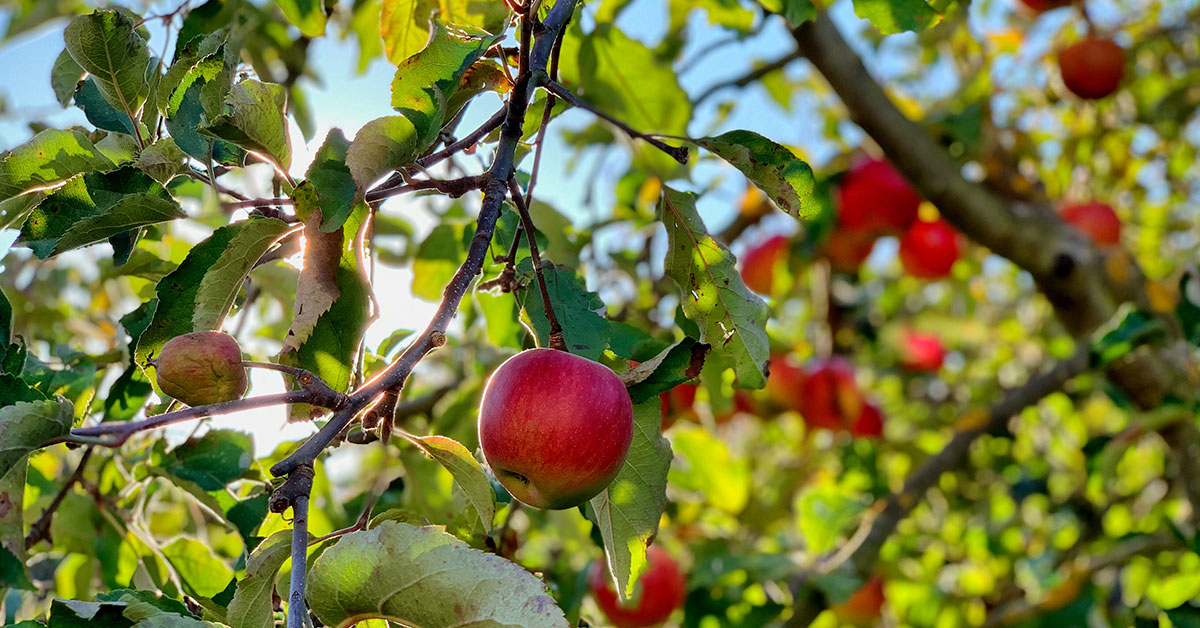

Welcome to the world of apple tree cultivation in Pennsylvania! If you’re a gardening enthusiast or simply someone who appreciates the beauty and bounty of apple trees, you’ve come to the right place. Planting apple trees in Pennsylvania requires careful consideration of various factors, including climate, soil conditions, and the specific variety of apple tree you wish to grow. In this article, we will delve into the optimal time to plant apple trees in Pennsylvania, ensuring that you have all the information you need to embark on a successful apple-growing journey.
Whether you’re a seasoned gardener or a beginner, get ready to learn about the best practices for planting apple trees in the Keystone State.
Best apple varieties to grow in Pennsylvania
There are several apple varieties that grow well in Pennsylvania due to its climate and soil conditions. Some popular apple varieties that thrive in Pennsylvania include:
- Honeycrisp: Known for its crisp and juicy texture, Honeycrisp apples are highly popular in Pennsylvania. They require well-drained soil and full sun exposure.
- Gala: Gala apples are sweet and have a mild flavor. They are easy to grow and adapt well to Pennsylvania’s climate.
- Fuji: Fuji apples are known for their firm texture and sweet flavor. They require a longer growing season, making them suitable for the southern parts of Pennsylvania.
- Granny Smith: These tart and crisp apples are excellent for baking and cooking. They are hardy and can tolerate colder temperatures, making them suitable for most regions in Pennsylvania.
- Jonagold: Jonagold apples have a perfect balance of sweetness and tartness. They require well-drained soil and full sun exposure.
- Empire: Empire apples are a cross between McIntosh and Red Delicious. They have a sweet-tart flavor and are adaptable to various soil types.
- Red Delicious: Red Delicious apples are a classic choice and are known for their sweet flavor. They grow well in Pennsylvania’s climate and are suitable for fresh eating.
- Stayman: Stayman apples have a rich and tart flavor, making them great for baking and cider making. They are cold-hardy and grow well in Pennsylvania.
It’s important to note that specific apple varieties may perform differently depending on the microclimate and soil conditions in your specific location within Pennsylvania. Consulting with local nurseries or agricultural extension services can provide more tailored recommendations based on your specific area.
When to plant apple trees in Pennsylvania
In Pennsylvania, the best time to plant apple trees varies depending on the specific hardiness zone. Pennsylvania is divided into USDA hardiness zones 5a to 7a. Here are the recommended planting times for each zone:
- Zone 5a: The average minimum winter temperature ranges from -20°F to -15°F (-28.9°C to -26.1°C). It is best to plant apple trees in early spring, as soon as the ground thaws and becomes workable. This is typically around late March to early April.
- Zone 5b: The average minimum winter temperature ranges from -15°F to -10°F (-26.1°C to -23.3°C). Similar to Zone 5a, early spring is the ideal time for planting apple trees, around late March to early April.
- Zone 6a: The average minimum winter temperature ranges from -10°F to -5°F (-23.3°C to -20.6°C). Early spring, around late March to early April, is still the best time to plant apple trees in this zone.
- Zone 6b: The average minimum winter temperature ranges from -5°F to 0°F (-20.6°C to -17.8°C). Early spring, around late March to early April, remains the recommended planting time for apple trees in this zone.
- Zone 7a: The average minimum winter temperature ranges from 0°F to 5°F (-17.8°C to -15°C). In Zone 7a, you have a slightly longer planting window. You can plant apple trees in early spring, from late March to early April, or in late fall, around October to early November.
It’s important to note that these are general guidelines, and weather conditions can vary from year to year. It’s always a good idea to monitor the soil temperature and weather forecasts before planting to ensure the best conditions for your apple trees.
How to grow apple trees in Pennsylvania
Growing apple trees involves several steps and considerations. Here is a general guide:
- Variety selection: Choose apple tree varieties that are suitable for your climate and growing conditions. Consider factors like chilling requirements, disease resistance, and desired fruit characteristics.
- Site selection: Apple trees require a sunny location with well-drained soil. Avoid low-lying areas prone to frost or waterlogging. Adequate air circulation is also important to prevent diseases.
- Soil preparation: Prepare the soil by removing weeds, rocks, and debris. Test the soil pH and amend it if necessary. Apple trees prefer slightly acidic soil with a pH range of 6.0 to 6.5.
- Planting: Dig a hole wide and deep enough to accommodate the tree’s root system. Place the tree in the hole, making sure the graft union (swollen area where the scion is attached to the rootstock) is above the soil line. Backfill the hole with soil, gently firming it around the roots.
- Watering: Newly planted apple trees require regular watering to establish their root system. Water deeply, ensuring the soil is moist but not waterlogged. After the first year, water during dry periods to prevent drought stress.
- Pruning: Prune apple trees during the dormant season to shape the tree, remove dead or diseased wood, and improve air circulation. Pruning also helps manage tree size and encourages fruit production.
- Fertilizing: Apply a balanced fertilizer in early spring before new growth begins. Follow the recommended application rates based on the tree’s age and size. Avoid excessive nitrogen fertilization, as it can lead to excessive vegetative growth at the expense of fruit production.
- Pest and disease management: Monitor the tree regularly for pests like aphids, codling moths, and apple maggots. Use organic or chemical controls as necessary. Apply dormant oil sprays in late winter to smother overwintering pests. Implement disease prevention measures like regular pruning, proper spacing, and fungicide applications if needed.
- Thinning fruit: To promote larger, healthier apples, thin the fruit when they are about the size of a marble. Remove excess fruit, leaving only one or two per cluster.
- Harvesting: Apples are ready for harvest when they are fully colored, firm, and easily detach from the tree with a slight twist. Different apple varieties have different maturity times, so refer to the specific variety’s recommendations.
Remember, these steps are general guidelines, and it’s essential to consider specific recommendations for your apple tree variety and local growing conditions.
When to harvest apples in Pennsylvania
In Pennsylvania, the ideal time to pick apples typically falls between late August and early November, depending on the variety of apple tree you have. Different apple varieties have different maturation periods, so it’s important to know the specific variety you are growing.
To determine the best time for picking, keep an eye on the color and firmness of the apples. As they ripen, the apples will change color, becoming brighter and more vibrant. Additionally, gently squeeze the apples to check for firmness. If they feel firm and have a slight give, they are likely ready to be harvested.
It’s also helpful to consult a local agricultural extension office or visit nearby orchards to gather information about the specific apple varieties that thrive in your region and their respective harvesting times.
Common apple tree problems and fixes
There are several common problems that apple trees may encounter during their growth. Here are a few of them along with their potential fixes:
- Pests: Apple trees can be susceptible to various pests such as aphids, codling moths, and apple maggots. To combat these pests, you can use insecticidal soaps or horticultural oils, install pheromone traps, or introduce beneficial insects like ladybugs or lacewings.
- Diseases: Apple trees can suffer from diseases like apple scab, powdery mildew, or fire blight. To prevent these diseases, practice good sanitation by removing fallen leaves and fruit, and prune infected branches. Fungicidal sprays can also be used, but it’s important to choose the appropriate product for the specific disease.
- Lack of Pollination: If your apple tree is not producing fruit, it may be due to inadequate pollination. This can be resolved by planting another apple tree nearby to ensure cross-pollination. Alternatively, you can manually transfer pollen between flowers using a small brush.
- Nutrient Deficiencies: Apple trees require proper nutrition to thrive. Common nutrient deficiencies include nitrogen, phosphorus, and potassium. Conduct a soil test to determine the nutrient levels and apply appropriate fertilizers accordingly. Organic options like compost or well-rotted manure can also be beneficial.
- Watering Issues: Over or under-watering can cause stress to apple trees. Ensure that your tree receives adequate water during dry periods, especially in the first few years of growth. However, avoid over-watering as it can lead to root rot. Mulching around the base of the tree can help retain moisture and regulate soil temperature.
- Sunlight and Pruning: Apple trees require full sun exposure for optimal growth and fruit production. If your tree is not receiving enough sunlight, consider pruning nearby branches or thinning the canopy to allow more light penetration.
Remember, prevention is key when it comes to maintaining healthy apple trees. Regularly inspect your trees for signs of pests, diseases, or nutrient deficiencies, and take appropriate action promptly.