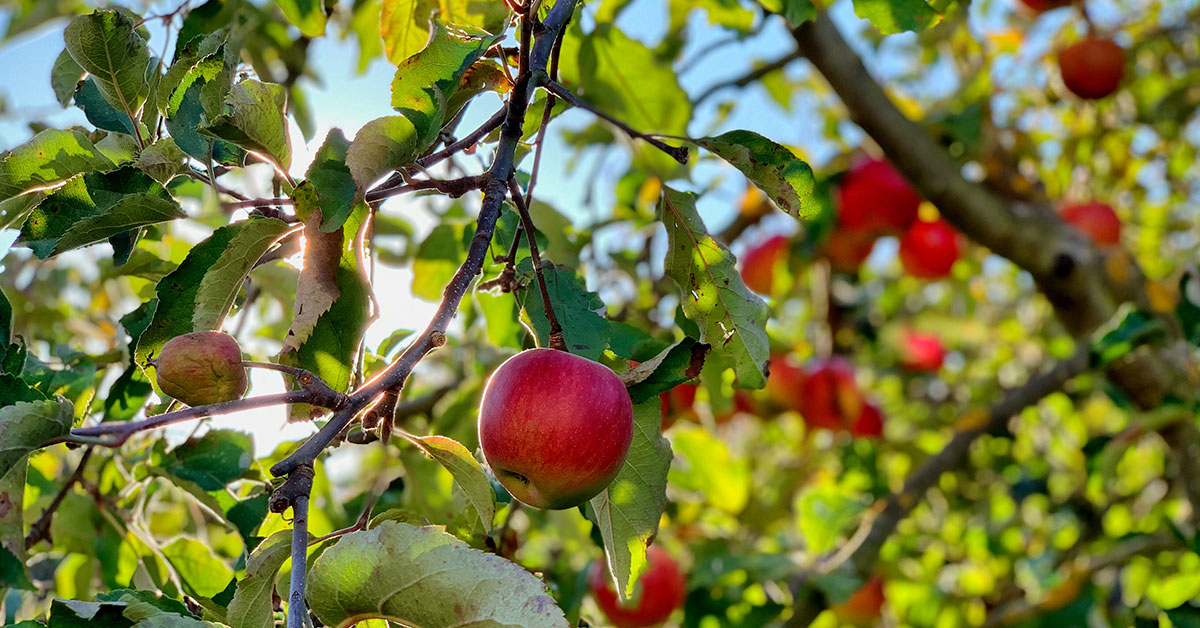

Welcome to the world of apple tree cultivation in Oklahoma! If you’ve been dreaming of having your own backyard orchard, filled with luscious, homegrown apples, then you’ve come to the right place. Oklahoma’s climate and soil conditions offer a favorable environment for growing apple trees, but knowing the optimal time to plant them is crucial for their success. In this article, we will explore the best time to plant apple trees in Oklahoma, taking into consideration the state’s unique weather patterns and the specific needs of these fruit-bearing beauties.
Whether you’re a seasoned gardener or a beginner looking to embark on a fruitful journey, read on to discover the perfect timing for planting apple trees in the Sooner State.
Best apple varieties to grow in Oklahoma
In Oklahoma, some apple varieties that are known to grow well are:
- Arkansas Black: This variety is known for its dark red to almost black skin and crisp, tart flavor. It is a late-season apple that stores well.
- Golden Delicious: This apple variety is popular for its sweet, juicy flavor and yellow-green skin. It is a mid to late-season apple that is versatile for both eating fresh and cooking.
- Granny Smith: Known for its bright green skin and tart flavor, Granny Smith apples are a popular choice for baking and cooking. They are a late-season apple.
- Red Delicious: This variety is well-known for its deep red color and sweet flavor. It is a mid to late-season apple that is great for eating fresh.
- Fuji: Fuji apples have a sweet, crisp flavor and a yellow-green skin with red streaks. They are a late-season apple that is excellent for eating fresh and also stores well.
It’s important to note that apple tree varieties can have different requirements and adaptability to specific climates within Oklahoma. It is always recommended to consult with local nurseries or agricultural extension offices for the most suitable apple varieties for your specific location in Oklahoma.
When to plant apple trees in Oklahoma
In Oklahoma, the best time to plant apple trees varies slightly depending on the specific hardiness zone. Oklahoma is divided into four main hardiness zones: Zone 6a, Zone 6b, Zone 7a, and Zone 7b. Here are the recommended planting times for each zone:
- Zone 6a: The best time to plant apple trees in Zone 6a is in early spring, typically between late February and early April. This allows the tree to establish its root system before the summer heat arrives.
- Zone 6b: Similar to Zone 6a, the ideal planting time for Zone 6b is in early spring, from late February to early April. This timing ensures that the apple tree has enough time to develop strong roots before the hot summer months.
- Zone 7a: In Zone 7a, the best time to plant apple trees is in late winter or early spring, usually from late January to early March. This allows the tree to establish itself before the onset of warmer temperatures.
- Zone 7b: For Zone 7b, the recommended planting time is also in late winter or early spring, between late January and early March. This timing ensures that the apple tree has ample time to establish its roots before the arrival of hotter weather.
Regardless of the specific zone, it’s important to avoid planting apple trees during the peak of summer or in the winter when the ground is frozen. Planting during the recommended times allows the tree to adjust to its new environment and establish a strong foundation for healthy growth.
How to grow apple trees in Oklahoma
Growing apple trees requires careful planning and attention to detail. Here are the steps and considerations to keep in mind:
- Selecting the Right Variety: Choose apple tree varieties that are suitable for your climate, soil type, and available space. Consider factors like pollination requirements, disease resistance, and harvest time.
- Site Selection: Apple trees require full sun exposure (at least 6-8 hours of direct sunlight per day) and well-drained soil. Avoid low-lying areas prone to frost or waterlogging. Test the soil pH and make necessary amendments to ensure it falls within the optimal range of 6.0-7.0.
- Planting: Dig a hole that is wide and deep enough to accommodate the tree’s root system. Place the tree in the hole, ensuring the bud union (the swollen area where the tree was grafted onto the rootstock) is above the soil line. Backfill the hole with soil, gently firming it around the roots. Water thoroughly after planting.
- Pruning: Prune apple trees during the dormant season (late winter or early spring) to remove dead, damaged, or crossing branches. Pruning helps improve air circulation, sunlight penetration, and overall tree health. It also shapes the tree and encourages fruit production.
- Watering: Provide regular and deep watering, especially during dry spells. Young trees require more frequent watering, while established trees can tolerate some drought. Avoid overwatering, as it can lead to root rot and other diseases.
- Fertilizing: Apply a balanced fertilizer in early spring before new growth begins. Use a fertilizer specifically formulated for fruit trees and follow the manufacturer’s instructions. Avoid excessive nitrogen, as it can promote vegetative growth at the expense of fruit production.
- Pest and Disease Management: Monitor your apple trees regularly for pests like aphids, codling moths, and apple maggots. Use organic or chemical controls as necessary, following recommended guidelines. Implement proper sanitation practices, such as removing fallen leaves and fruit, to reduce disease incidence.
- Pollination: Some apple tree varieties require cross-pollination with another compatible variety to produce fruit. Ensure you have at least two different apple trees that bloom at the same time for effective pollination. Alternatively, you can graft multiple varieties onto a single tree.
- Thinning Fruit: As the apple tree produces fruit, thinning is essential to ensure larger, healthier apples. Remove excess fruit when they are about the size of a marble, leaving only one or two per cluster.
- Harvesting: Apples are typically ready for harvest in late summer or early fall, depending on the variety. Harvest when the fruit color is fully developed, and the apples come off the tree with a gentle twist. Store apples in a cool, dark place with good ventilation to prolong their shelf life.
Remember, growing apple trees requires patience and ongoing care. Regular monitoring, proper maintenance, and timely interventions will help you achieve a bountiful harvest of delicious apples.
When to harvest apples in Oklahoma
In Oklahoma, apple trees typically bear fruit in late summer to early fall, depending on the variety. The exact timing can vary depending on the weather conditions and the specific apple variety you are growing. However, a general guideline is to start checking for ripeness in late August to early September.
It is important to monitor the apples closely as they mature, as they can quickly go from underripe to overripe. To determine if the apples are ready for picking, gently twist or lift the fruit, and if it easily comes off the tree with a slight upward motion, it is likely ripe and ready to be harvested. Additionally, the apples should have developed their characteristic color and firmness.
Common apple tree problems and fixes
There are several common problems that apple trees may encounter, along with some recommended fixes:
- Pest infestation: Apple trees can be susceptible to pests such as aphids, codling moths, apple maggots, and mites. Regularly inspect your trees for signs of infestation, including curled leaves, distorted fruit, or visible pests. Use organic insecticides or introduce beneficial insects like ladybugs or lacewings to control the population.
- Disease: Apple trees are prone to diseases like apple scab, powdery mildew, fire blight, and cedar apple rust. To prevent diseases, ensure proper air circulation by pruning and thinning branches. Apply fungicides or copper sprays during the dormant season and follow a regular spray schedule during the growing season.
- Poor fruit set: If your apple tree produces few or no fruits, it may be due to inadequate pollination. Planting a different apple variety nearby that blooms at the same time can improve cross-pollination. Alternatively, hand-pollinate the flowers using a small brush or by transferring pollen between flowers.
- Nutrient deficiencies: Apple trees require proper nutrition to thrive. Common deficiencies include nitrogen, phosphorus, potassium, and magnesium. Conduct a soil test to identify any deficiencies and amend the soil accordingly with organic fertilizers or specific nutrient supplements.
- Watering issues: Over or under-watering can lead to stress and poor growth. Ensure your apple tree receives adequate water, especially during dry periods. Water deeply and infrequently, allowing the soil to dry out slightly between waterings. Mulching around the base of the tree can help retain moisture.
- Sunburn: Excessive sun exposure can cause sunburn on apple fruits and bark. Protect young trees by wrapping the trunk with tree wrap or painting it with white latex paint to reflect sunlight. Providing shade during the hottest part of the day can also help prevent sunburn.
Remember, prevention is key to maintaining healthy apple trees. Regularly monitor your trees, practice good sanitation by removing fallen leaves and fruit, and follow proper pruning techniques to promote airflow and reduce disease risk.