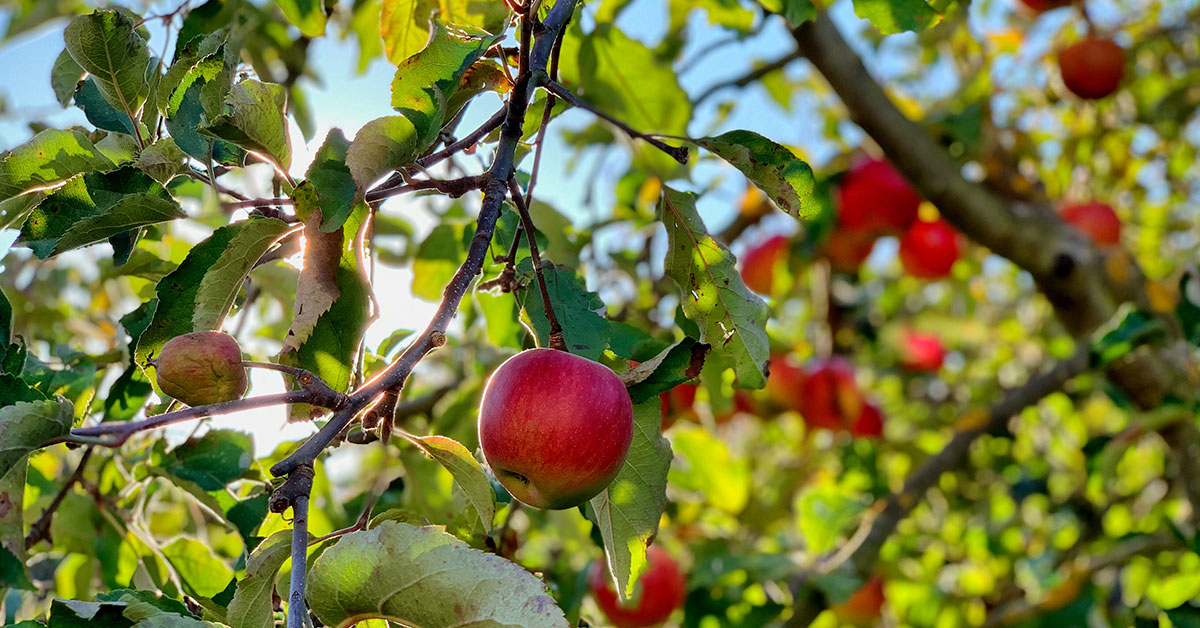

Welcome to the world of apple tree cultivation in Montana! If you’re a gardening enthusiast or simply a lover of fresh, homegrown apples, you’re in the right place. Montana’s unique climate and growing conditions offer both opportunities and challenges for apple tree growers. In this article, we will delve into the optimal time to plant apple trees in Montana, considering factors such as weather patterns, soil conditions, and the specific apple varieties that thrive in this region.
Whether you’re a seasoned gardener or a beginner looking to embark on a fruitful apple-growing journey, we’ve got you covered with all the information you need to ensure successful apple tree planting and cultivation in the beautiful state of Montana.
Best apple varieties to grow in Montana
In Montana, the climate can be quite challenging for growing apple trees due to its cold winters and short growing season. However, there are several apple varieties that have proven to be more successful in this region. Here are a few apple varieties that tend to grow well in Montana:
- Haralson: This variety is known for its cold hardiness and is a popular choice for Montana. It produces medium-sized apples with a tart flavor, making them great for baking and cider.
- Honeycrisp: Although it is a relatively newer variety, Honeycrisp has gained popularity for its excellent flavor and crisp texture. It can tolerate colder climates and is a good option for Montana.
- Prairie Spy: This apple variety is known for its ability to withstand cold temperatures and is well-suited for Montana’s climate. It produces large, firm apples with a sweet-tart flavor.
- Wealthy: Wealthy apples are another good choice for Montana. They are cold hardy and have a pleasant balance of sweetness and tartness. They are suitable for both fresh eating and cooking.
- Frostbite: Developed specifically for cold climates, Frostbite is a newer apple variety that has shown promise in Montana. It is extremely cold hardy and produces sweet-tart apples that are good for fresh eating and cooking.
It’s important to note that while these varieties have shown success in Montana, it’s always best to consult with local nurseries or agricultural extension offices for specific recommendations based on your location within the state.
When to plant apple trees in Montana
In Montana, the best time to plant apple trees varies depending on the specific hardiness zone. Montana is divided into four hardiness zones: Zone 3, Zone 4, Zone 5, and Zone 6. Here are the recommended planting times for each zone:
- Zone 3: The best time to plant apple trees in Zone 3 is in early spring, as soon as the ground thaws and becomes workable. This is typically between late April and early May. Planting in spring allows the tree to establish its roots before the hot summer months.
- Zone 4: In Zone 4, the ideal time to plant apple trees is also in early spring, similar to Zone 3. The ground should be thawed and workable, usually in late April or early May. Planting in spring gives the tree enough time to develop strong roots before the summer heat arrives.
- Zone 5: For Zone 5, the best time to plant apple trees is in early spring or late fall. Early spring planting, around late April or early May, is preferred as it allows the tree to establish roots before summer. However, if you miss the spring window, you can also plant in late fall, around September or October, before the ground freezes.
- Zone 6: In Zone 6, the recommended time to plant apple trees is in early spring or late fall, similar to Zone 5. Early spring planting, around late April or early May, is ideal for root establishment before summer. Late fall planting, in September or October, is also suitable before the ground freezes.
Regardless of the hardiness zone, it’s important to avoid planting apple trees during the hottest part of summer or when the ground is frozen in winter. This ensures the tree has the best chance of survival and establishment. Additionally, consider selecting apple tree varieties that are well-suited to your specific hardiness zone for optimal growth and fruit production.
How to grow apple trees in Montana
Growing apple trees requires careful planning and attention to detail. Here are the steps and considerations to keep in mind:
- Site selection: Choose a location that receives full sun for at least 6-8 hours a day. Ensure the soil is well-draining, fertile, and has a pH level between 6.0 and 7.0.
- Apple tree selection: Select apple tree varieties that are suitable for your climate and have good disease resistance. Consider factors like chill hours required, pollination requirements, and desired fruit characteristics.
- Soil preparation: Prepare the soil by removing any weeds, rocks, or debris. Test the soil to determine its nutrient content and pH level. Amend the soil with organic matter like compost or well-rotted manure to improve fertility and drainage.
- Planting: Dig a hole that is wide and deep enough to accommodate the tree’s root system. Place the tree in the hole, ensuring the graft union is above the soil level. Backfill the hole with soil, gently firming it around the roots. Water thoroughly after planting.
- Pruning: Prune apple trees during their dormant season (late winter or early spring) to shape the tree, remove dead or diseased wood, and improve airflow. Pruning also helps promote fruit production and maintain tree health.
- Watering: Provide regular and consistent watering, especially during dry periods. Apple trees require about 1-2 inches of water per week. Water deeply, allowing the soil to dry slightly between waterings to prevent root rot.
- Fertilization: Apply a balanced fertilizer in early spring before new growth begins. Use a fertilizer specifically formulated for fruit trees and follow the package instructions. Avoid over-fertilization, as it can lead to excessive vegetative growth and reduced fruit production.
- Pest and disease management: Monitor your apple trees regularly for pests like aphids, codling moths, and apple maggots. Use organic pest control methods whenever possible, such as introducing beneficial insects or using insecticidal soaps. Apply appropriate fungicides to prevent diseases like apple scab or powdery mildew.
- Pollination: Ensure proper cross-pollination by planting at least two different apple tree varieties that bloom at the same time. Bees and other pollinators are essential for transferring pollen between flowers.
- Harvesting: Harvest apples when they are fully ripe. The timing varies depending on the apple variety and local climate. Look for color changes, firmness, and taste as indicators of ripeness. Twist or gently lift the apple to detach it from the tree.
Remember, growing apple trees requires patience, as it can take several years for the tree to reach maturity and produce a significant harvest. Regular care, including pruning, watering, and pest management, will help ensure healthy tree growth and abundant fruit production.
When to harvest apples in Montana
In Montana, the ideal time to pick apples can vary depending on the specific apple variety you are growing. However, as a general guideline, apple harvesting in Montana typically occurs between late August and early October.
To determine the optimal time for picking your apples, it is important to consider the maturity period of the specific apple variety you are growing. Different apple varieties have different maturation periods, which can range from as little as 90 days to over 200 days.
To determine the readiness of your apples for picking, you can perform a few simple tests:
- Color: Look for a change in the apple’s color. Most apple varieties will develop their characteristic color when they are ripe. For example, if you are growing a Red Delicious apple, it should turn deep red when it is ready to be picked.
- Firmness: Gently press the apple with your thumb. Ripe apples will yield slightly to pressure but should not be too soft. If the apple feels firm, it may need more time to ripen.
- Taste: Sample a few apples from different parts of the tree. Apples that are ready for picking will have a good balance of sweetness and acidity. If the flavor is too tart or lacks sweetness, the apples may need more time to mature.
- Seed color: Cut open an apple and examine the color of the seeds. If the seeds are dark brown, it is an indication that the apple is ripe and ready to be harvested.
Remember, apple ripening can vary depending on weather conditions and the specific microclimate of your location. It is always a good idea to monitor your apple trees closely and adjust your harvesting schedule accordingly.
Common apple tree problems and fixes
There are several common problems that apple trees may encounter during their growth. Here are a few of them along with their possible fixes:
- Pest Infestation: Apple trees can be susceptible to pests such as aphids, codling moths, apple maggots, and mites. Regularly inspect your trees for signs of infestation, such as curled leaves, holes in fruit, or sticky residue on leaves. Use organic insecticides or introduce beneficial insects like ladybugs to control the pests.
- Disease: Apple trees are prone to diseases like apple scab, powdery mildew, fire blight, and cedar apple rust. To prevent diseases, choose disease-resistant apple tree varieties, maintain good air circulation by pruning, and avoid overhead watering. If disease occurs, apply appropriate fungicides or copper sprays as recommended by local agricultural extension services.
- Poor Fruit Set: If your apple tree produces a limited number of fruits or fails to set fruit altogether, it may be due to inadequate pollination. Ensure that there are compatible pollinator varieties nearby, or consider hand-pollinating the flowers using a soft brush or cotton swab.
- Nutrient Deficiencies: Apple trees require proper nutrition to thrive. Common nutrient deficiencies include nitrogen, phosphorus, and potassium. Conduct a soil test to determine the nutrient levels and apply organic fertilizers or amendments accordingly. Mulching with organic matter can also help improve soil fertility.
- Watering Issues: Overwatering or underwatering can lead to problems. Apple trees generally require about 1-2 inches of water per week, depending on the weather conditions. Ensure that the soil is well-drained to prevent waterlogging, and water deeply but infrequently to encourage deep root growth.
- Sunburn: Excessive exposure to intense sunlight can cause sunburn on apple tree bark and fruit. Protect young trees by wrapping the trunk with tree guards or applying a diluted white latex paint solution to reflect sunlight. Provide shade to the tree during the hottest part of the day if necessary.
Remember, prevention is key to maintaining healthy apple trees. Regularly monitor your trees, practice good sanitation by removing fallen leaves and fruit, and follow proper pruning techniques to promote airflow and reduce disease susceptibility. If problems persist, consult with a local horticulturist or agricultural extension service for specific advice tailored to your region.