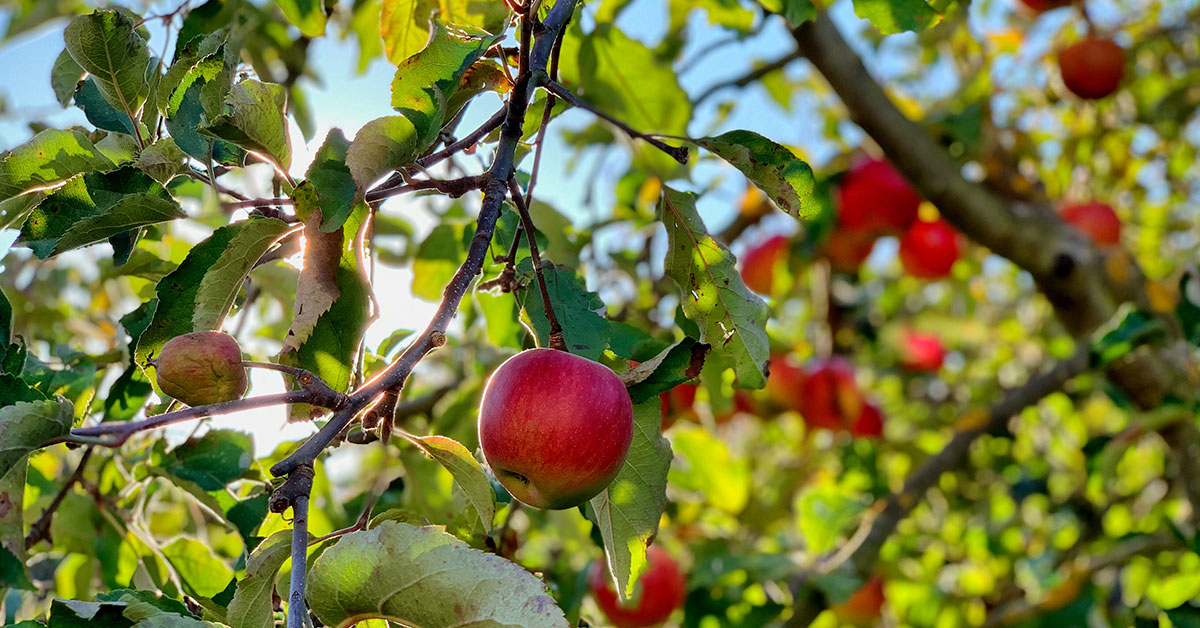

Welcome to the world of growing apple trees in Mississippi! If you’re a gardening enthusiast or simply someone who appreciates the beauty and bounty of apple trees, you’ve come to the right place. In this article, we will delve into the specifics of when to plant apple trees in the great state of Mississippi. With its unique climate and soil conditions, Mississippi offers a wonderful opportunity for apple tree growth and production.
Whether you’re a seasoned gardener or a novice looking to embark on a new horticultural adventure, understanding the optimal planting times and techniques will be crucial in ensuring the success of your apple tree endeavors. So, let’s explore the best times to plant apple trees in Mississippi and equip ourselves with the knowledge to cultivate thriving orchards in our own backyards.
Best apple varieties to grow in Mississippi
In Mississippi, the climate is generally warm and humid, which can present some challenges for growing apple trees. However, there are a few apple varieties that have shown good adaptability and success in this region. Here are some apple varieties that are known to grow well in Mississippi:
- Anna: This variety is known for its ability to tolerate heat and humidity. It produces medium-sized, crisp, and sweet apples that are ready for harvest in early summer.
- Dorsett Golden: Another heat-tolerant variety, Dorsett Golden produces medium-sized, yellow apples with a sweet and tangy flavor. It is an early-season apple that ripens in late spring.
- Einshemer: This variety is known for its excellent disease resistance and adaptability to warmer climates. It produces medium to large-sized apples with a sweet and tart flavor. Einshemer apples are ready for harvest in late summer.
- Golden Delicious: While not specifically bred for warm climates, Golden Delicious has shown some success in Mississippi. It produces large, yellow apples with a sweet and crisp flavor. Golden Delicious apples are typically ready for harvest in late summer.
- Granny Smith: Although it is a late-season apple, Granny Smith has been known to grow well in Mississippi. It produces large, green apples with a tart and crisp flavor. Granny Smith apples are usually ready for harvest in late fall.
It’s important to note that while these varieties have shown some success in Mississippi, growing apple trees in this region can still be challenging due to the climate. It’s recommended to choose disease-resistant varieties, provide proper care, and consult with local gardening experts or extension services for specific advice tailored to your location.
When to plant apple trees in Mississippi
In Mississippi, the best time to plant apple trees varies depending on the specific hardiness zone. Mississippi is divided into three main hardiness zones: Zone 7a, Zone 7b, and Zone 8a. Here are the recommended planting times for each zone:
- Zone 7a: The best time to plant apple trees in Zone 7a, which covers the northernmost parts of Mississippi, is in late winter to early spring. This typically falls between February and March when the soil starts to warm up, but before the trees break dormancy. Planting during this period allows the roots to establish before the hot summer months.
- Zone 7b: In Zone 7b, which includes central Mississippi, the ideal time to plant apple trees is also in late winter to early spring. Similar to Zone 7a, aim for February to March for planting. This timing ensures that the trees have enough time to establish roots before the heat of summer arrives.
- Zone 8a: For Zone 8a, covering the southernmost parts of Mississippi, the best time to plant apple trees is slightly different. Here, the optimal planting time is in late fall to early winter, typically between November and December. Planting during this period takes advantage of the milder winter temperatures in this zone, allowing the roots to establish before spring growth.
Regardless of the zone, it is important to avoid planting apple trees during the hottest months of summer or during freezing winter conditions. By planting during the recommended times, you give your apple trees the best chance to establish healthy root systems and thrive in their new environment.
How to grow apple trees in Mississippi
Growing apple trees requires careful planning and attention to detail. Here are the steps and considerations to keep in mind:
- Selecting the right variety: Choose apple tree varieties that are suitable for your climate and growing conditions. Consider factors such as chill hours (the number of hours below 45°F/7°C required for proper fruiting), disease resistance, and taste preferences.
- Choosing a suitable site: Apple trees require full sun (at least 6-8 hours of direct sunlight per day) and well-drained soil. Avoid low-lying areas prone to frost or waterlogging. Test the soil pH and make necessary amendments to ensure it falls within the ideal range of 6.0-7.0.
- Planting: Dig a hole that is wide and deep enough to accommodate the tree’s root system. Place the tree in the hole, ensuring that the bud union (the swollen area where the tree was grafted onto the rootstock) is above the soil line. Backfill the hole with soil, gently firming it around the roots.
- Watering: Provide regular and deep watering to establish the tree. Water deeply once or twice a week, ensuring the soil is moist but not waterlogged. During dry spells, increase the frequency of watering.
- Fertilizing: Apply a balanced fertilizer in early spring, just before new growth begins. Follow the recommended dosage based on the tree’s age and size. Avoid over-fertilization, as it can lead to excessive vegetative growth and reduced fruit production.
- Pruning: Prune apple trees during the dormant season (late winter or early spring) to remove dead, damaged, or crossing branches. Pruning helps improve air circulation, sunlight penetration, and overall tree health. It also encourages fruit production by stimulating new growth.
- Pest and disease management: Monitor the tree regularly for pests such as aphids, codling moths, and apple maggots. Use organic or integrated pest management techniques to control infestations. Similarly, be vigilant for diseases like apple scab, powdery mildew, and fire blight. Apply appropriate fungicides or take preventive measures to minimize the risk.
- Thinning fruit: To ensure good-sized and high-quality apples, thin the fruit during the early stages of development. Remove excess fruit, leaving only one or two per cluster. This allows the remaining fruit to receive adequate nutrients and sunlight.
- Harvesting: Apples are ready for harvest when they reach their full color, firmness, and flavor. Different apple varieties have different maturity times, so refer to the specific variety’s guidelines. Twist or gently lift the apple to detach it from the tree, or use pruning shears if necessary.
- Winter protection: In colder climates, protect apple trees from frost damage by wrapping the trunk with burlap or using tree wraps. Apply a layer of mulch around the base of the tree to insulate the roots and conserve moisture during winter.
Remember, growing apple trees requires patience and consistent care. Regular monitoring, proper watering, fertilizing, pruning, and pest management are essential for healthy tree growth and a bountiful harvest.
When to harvest apples in Mississippi
In Mississippi, apples are typically ready for picking from late August to early October. The exact timing can vary depending on the specific apple variety you are growing and the weather conditions in a given year. It is recommended to monitor the color, size, and firmness of the apples as they mature. When the apples have reached their desired color, size, and firmness, they are ready to be harvested. Additionally, it is important to consider the specific recommendations for the apple variety you are growing, as some varieties may have different harvest times.
Common apple tree problems and fixes
There are several common problems that apple trees may face, along with their respective fixes:
- Pest infestation: Common pests that affect apple trees include aphids, codling moths, apple maggots, and mites. To address this issue, you can use insecticidal soaps or horticultural oils to control aphids and mites. For codling moths and apple maggots, pheromone traps or insecticides specifically designed for fruit tree pests can be effective.
- Disease: Apple trees are susceptible to diseases such as apple scab, fire blight, powdery mildew, and cedar apple rust. To combat apple scab, ensure good air circulation, remove infected leaves, and apply fungicides during the growing season. For fire blight, prune and destroy infected branches, and use antibiotics during the bloom period. Powdery mildew can be controlled by applying fungicides or using resistant apple tree varieties. Cedar apple rust can be managed by removing nearby cedar trees and applying fungicides.
- Nutrient deficiencies: Apple trees may suffer from nutrient deficiencies, particularly nitrogen, phosphorus, and potassium. Conduct a soil test to determine the specific nutrient deficiencies and then apply appropriate fertilizers accordingly. Nitrogen-rich organic fertilizers or compost can help address nitrogen deficiencies, while phosphorus and potassium deficiencies can be remedied with specific fertilizers.
- Improper pollination: Apple trees require cross-pollination to produce fruit. If you have only one apple tree, ensure that it is a self-fertile variety. If you have multiple trees, choose varieties that bloom at the same time to ensure proper pollination. You can also introduce pollinators like bees to increase the chances of successful pollination.
- Watering issues: Over or under-watering can lead to problems for apple trees. Ensure that the soil is well-drained and water the tree deeply but infrequently, allowing the soil to dry out slightly between watering sessions. Mulching around the base of the tree can help retain moisture and regulate soil temperature.
Remember, prevention is key to maintaining healthy apple trees. Regularly inspect your trees for signs of pests, diseases, or nutrient deficiencies, and take appropriate action promptly to mitigate any potential problems.