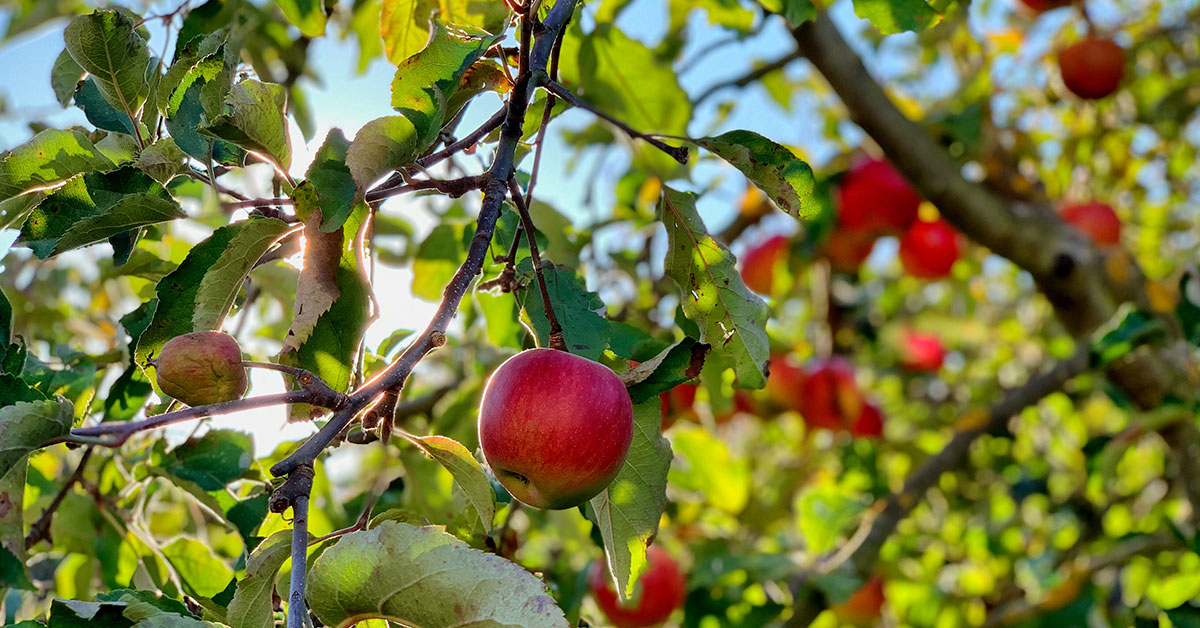

Welcome to the world of apple tree cultivation in Louisiana! If you’re a gardening enthusiast or simply someone who appreciates the beauty and bounty of apple trees, you’ve come to the right place. Louisiana’s unique climate and growing conditions offer both opportunities and challenges when it comes to planting apple trees. In this article, we will explore the best time to plant apple trees in Louisiana, taking into consideration the state’s warm and humid climate, as well as the specific requirements of different apple tree varieties.
Whether you’re a seasoned gardener or a beginner, this guide will provide you with valuable insights to ensure successful apple tree planting and a fruitful harvest in the Pelican State.
Best apple varieties to grow in Louisiana
In Louisiana, some apple varieties that are known to grow well are:
- Anna: This variety is well-suited for the Louisiana climate as it is heat-tolerant and requires a low number of chill hours. It produces medium-sized, sweet apples that are ready for harvest in early summer.
- Dorsett Golden: Similar to Anna, Dorsett Golden is also heat-tolerant and requires a low number of chill hours. It produces medium-sized, crisp apples that are ready for harvest in early summer.
- Ein Shemer: This variety is known for its adaptability to warm climates. It requires a low number of chill hours and produces medium-sized, sweet apples that are ready for harvest in late summer.
- Golden Delicious: While not specifically bred for warm climates, Golden Delicious can still be grown successfully in Louisiana. It requires a moderate number of chill hours and produces large, sweet apples that are ready for harvest in late summer.
- Southern Rose: This variety is a Louisiana native and is well-suited for the local climate. It requires a moderate number of chill hours and produces medium-sized, sweet-tart apples that are ready for harvest in late summer.
It’s important to note that while these varieties are known to grow well in Louisiana, the success of apple trees also depends on factors such as soil quality, proper care, and disease management. Consulting with local nurseries or agricultural extension offices can provide more specific recommendations based on your location within Louisiana.
When to plant apple trees in Louisiana
In Louisiana, the best time to plant apple trees varies slightly depending on the hardiness zone. Louisiana is divided into three main hardiness zones: Zone 8a, Zone 8b, and Zone 9a. Here are the recommended planting times for each zone:
- Zone 8a: The best time to plant apple trees in Zone 8a is during the late fall or early winter, typically between November and December. This allows the tree to establish its roots before the onset of spring growth.
- Zone 8b: In Zone 8b, the ideal time to plant apple trees is also during the late fall or early winter, similar to Zone 8a. Planting between November and December will provide the tree with enough time to settle in before spring.
- Zone 9a: For Zone 9a, the best time to plant apple trees is during the winter months, specifically in January or February. This allows the tree to establish its root system before the warmer weather arrives.
Regardless of the specific zone, it is generally recommended to avoid planting apple trees during the hot summer months as the stress of high temperatures can hinder the tree’s establishment. Additionally, planting in the dormant season allows the tree to focus on root development rather than immediate fruit production.
When planting apple trees, it is important to choose a suitable variety that is adapted to your specific hardiness zone. Consider factors such as chill hour requirements, disease resistance, and fruit quality when selecting apple tree varieties for your garden in Louisiana.
How to grow apple trees in Louisiana
Growing apple trees requires careful planning and attention to detail. Here are the steps and considerations to keep in mind:
- Selecting the Right Variety: Choose apple tree varieties that are suitable for your climate, soil type, and available space. Consider factors like chill hours, disease resistance, and pollination requirements.
- Site Selection: Apple trees need full sun exposure (at least 6-8 hours of direct sunlight per day) and well-drained soil. Avoid low-lying areas prone to frost or waterlogging. Test the soil pH and make necessary amendments to ensure it falls within the optimal range of 6.0-7.0.
- Planting: Dig a hole that is wide and deep enough to accommodate the root system. Place the tree in the hole, ensuring that the bud union (the swollen area where the tree was grafted onto the rootstock) is above the soil line. Backfill the hole with soil, gently firming it around the roots. Water thoroughly.
- Pruning: Pruning is crucial for shaping the tree, promoting airflow, and removing dead or diseased wood. Prune in late winter or early spring before bud break. Remove any competing branches, water sprouts, or suckers. Maintain an open center or modified central leader shape for optimal sunlight penetration.
- Fertilization: Apple trees require regular fertilization to ensure healthy growth and fruit production. Conduct a soil test to determine nutrient deficiencies and apply a balanced fertilizer accordingly. Generally, a 10-10-10 or 14-14-14 NPK fertilizer is suitable for apple trees. Apply in early spring and again in early summer.
- Irrigation: Adequate and consistent watering is crucial, especially during the tree’s establishment phase. Water deeply, ensuring the root zone is thoroughly moistened. Avoid overwatering, as it can lead to root rot. Mulching around the base of the tree helps retain moisture and suppress weeds.
- Pest and Disease Management: Apple trees are susceptible to various pests and diseases, including apple maggots, codling moths, aphids, powdery mildew, and fire blight. Implement integrated pest management strategies, such as regular monitoring, cultural practices (pruning, sanitation), and judicious use of organic or chemical controls when necessary.
- Pollination: Most apple tree varieties require cross-pollination with another compatible variety to produce fruit. Ensure you have at least two different apple varieties that bloom at the same time for effective pollination. Alternatively, you can plant a self-fertile variety that doesn’t require a pollination partner.
- Harvesting: Apples are typically ready for harvest in late summer or early fall, depending on the variety. Harvest when the fruit color is fully developed, and the fruit comes off the tree with a gentle twist. Store apples in a cool, dark place with proper ventilation to extend their shelf life.
- Winter Care: Protect young apple trees from winter damage by wrapping the trunk with tree guards or using mulch to insulate the root zone. Prune any dead or damaged wood in late winter. Consider applying dormant oil sprays to control overwintering pests and diseases.
Remember, growing apple trees requires patience and ongoing care. Regular monitoring, timely interventions, and proper maintenance will help ensure healthy tree growth and abundant fruit production.
When to harvest apples in Louisiana
In Louisiana, apples are typically harvested in late summer or early fall, usually between August and October. The exact timing can vary depending on the specific apple variety you are growing and the local climate conditions. It is essential to monitor the fruit’s maturity and ripeness indicators, such as color, firmness, and taste, to determine the optimal time for picking. Additionally, consult with local agricultural extension services or experienced apple growers in your area for more precise information on the best harvesting time for specific apple varieties in Louisiana.
Common apple tree problems and fixes
There are several common problems that apple trees may face, along with corresponding fixes. Here are a few:
- Pest infestations: Apple trees are susceptible to various pests, such as aphids, codling moths, and apple maggots. To address this issue, you can use organic insecticides or introduce beneficial insects like ladybugs or lacewings. Regularly inspect the trees and remove any affected fruits or leaves.
- Fungal diseases: Apple trees can suffer from fungal diseases like apple scab, powdery mildew, and cedar apple rust. To combat these diseases, ensure proper air circulation by pruning the branches and thinning the canopy. Apply appropriate fungicides during the dormant season or as recommended by local agricultural extension services.
- Nutrient deficiencies: Apple trees may exhibit signs of nutrient deficiencies, such as yellowing leaves, stunted growth, or poor fruit production. Conduct a soil test to determine the specific nutrient deficiencies and amend the soil accordingly. Common deficiencies include nitrogen, phosphorus, and potassium, which can be supplemented with organic fertilizers or compost.
- Improper pollination: Apple trees require cross-pollination between different varieties for optimal fruit production. If your tree is not producing enough fruit, it may be due to a lack of compatible pollinators nearby. Plant another apple tree of a different variety within close proximity to ensure successful cross-pollination.
- Watering issues: Over or under-watering can negatively impact apple trees. It is crucial to maintain consistent soil moisture levels, especially during the growing season. Water deeply and infrequently, ensuring the soil drains well. Mulching around the base of the tree helps retain moisture and regulate soil temperature.
- Sunlight requirements: Apple trees require full sun exposure for at least six hours a day to thrive and produce abundant fruit. If your tree is not receiving sufficient sunlight due to shading from nearby structures or trees, consider pruning or relocating it to a sunnier spot.
Remember, specific problems may vary depending on your location and apple tree variety. Regular monitoring, proper care, and timely intervention are essential for maintaining healthy apple trees.