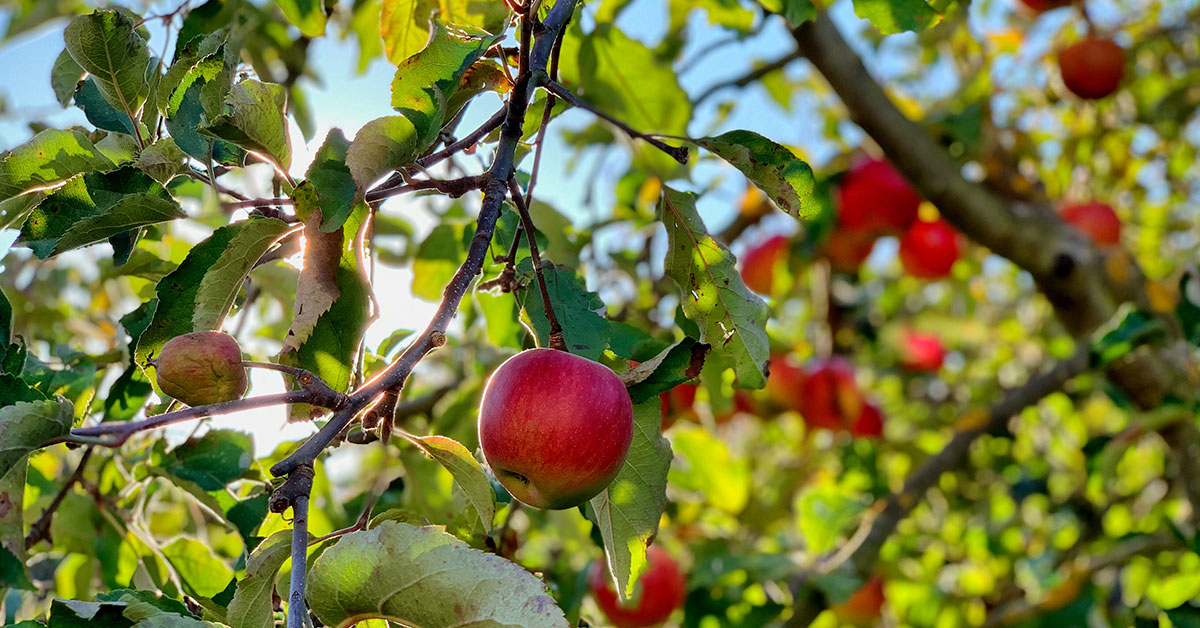

Welcome to the world of apple tree cultivation in the beautiful state of Kentucky! If you’re a gardening enthusiast or simply someone who appreciates the joy of growing your own fresh, crisp apples, you’ve come to the right place. In this article, we will delve into the optimal time to plant apple trees in the Bluegrass State, taking into consideration the unique climate and growing conditions that Kentucky offers. Whether you’re a seasoned gardener or a beginner, understanding the ideal planting window is crucial for ensuring the success and longevity of your apple trees. So, let’s explore the best time to embark on this fruitful journey and discover the secrets to growing thriving apple trees in Kentucky.
Best apple varieties to grow in Kentucky
In Kentucky, several apple varieties thrive due to the state’s climate and soil conditions. Here are some apple varieties that are known to grow well in Kentucky:
- Golden Delicious: This is a popular variety that grows well in Kentucky. It produces sweet, crisp apples that are excellent for eating fresh or using in cooking.
- Red Delicious: Another widely grown variety in Kentucky, Red Delicious apples have a sweet and mildly tart flavor. They are great for eating fresh and also hold up well in baking.
- Rome Beauty: This variety is known for its excellent storage capabilities, making it a favorite for canning and baking. Rome Beauty apples have a mildly tart flavor and are often used in pies and sauces.
- Jonathan: Jonathan apples are crisp and tangy, making them a great choice for fresh eating and cooking. They are also known for their beautiful red color.
- Fuji: Although Fuji apples are originally from Japan, they have adapted well to Kentucky’s climate. These apples are sweet, juicy, and have a firm texture, making them perfect for snacking and baking.
- Granny Smith: While Granny Smith apples prefer a slightly warmer climate, they can still be successfully grown in Kentucky. These tart and crisp apples are excellent for baking and making pies.
It’s important to note that apple tree varieties can vary in their adaptability to specific regions within Kentucky, so it’s always a good idea to consult with local nurseries or agricultural extension offices for more precise recommendations based on your specific location.
When to plant apple trees in Kentucky
In Kentucky, the best time to plant apple trees varies slightly depending on the specific hardiness zone. Kentucky is divided into six hardiness zones: 6a, 6b, 7a, 7b, 8a, and 8b. Here are the recommended planting times for each zone:
- Zone 6a: The best time to plant apple trees in Zone 6a is in early spring, typically from late March to early April. This allows the tree to establish its root system before the hot summer months.
- Zone 6b: Similar to Zone 6a, the ideal planting time for Zone 6b is in early spring, around late March to early April. This timing ensures that the tree has enough time to establish roots before the summer heat.
- Zone 7a: In Zone 7a, the best time to plant apple trees is also in early spring, preferably in late March to early April. This allows the tree to take advantage of the cool and moist conditions of spring for root establishment.
- Zone 7b: For Zone 7b, the recommended planting time for apple trees is in early spring, typically from late March to early April. This timing allows the tree to establish roots before the arrival of hot summer temperatures.
- Zone 8a: In Zone 8a, the best time to plant apple trees is in late winter to early spring, around February to March. This early planting allows the tree to establish roots before the onset of warmer weather.
- Zone 8b: The ideal planting time for Zone 8b is in late winter to early spring, preferably from February to March. This timing ensures that the apple tree can establish its root system before the arrival of hot temperatures.
Regardless of the specific hardiness zone, it is crucial to avoid planting apple trees during the summer or winter months. Summer planting can subject the young tree to stress from heat and drought, while winter planting may expose the tree to freezing temperatures and frost damage. By planting in the recommended time frames for each zone, you provide the apple tree with the best chance for successful establishment and growth.
How to grow apple trees in Kentucky
Growing apple trees requires careful planning and attention to detail. Here are the steps and considerations involved in successfully growing apple trees:
- Variety Selection: Choose apple tree varieties that are suitable for your climate and growing conditions. Consider factors such as chilling requirements, disease resistance, and desired fruit characteristics.
- Site Selection: Select a location with full sun exposure (at least 6-8 hours of direct sunlight per day) and well-drained soil. Avoid low-lying areas prone to frost pockets or areas with poor air circulation.
- Soil Preparation: Prepare the soil by removing weeds, rocks, and debris. Test the soil pH and make necessary amendments to achieve a slightly acidic pH level of around 6.0-6.5. Incorporate organic matter, such as compost or well-rotted manure, to improve soil fertility and drainage.
- Planting: Dig a hole that is wide and deep enough to accommodate the tree’s root system. Place the tree in the hole, ensuring that the bud union (the swollen area where the tree was grafted onto the rootstock) is above the soil line. Backfill the hole with soil, gently firming it around the roots. Water thoroughly after planting.
- Pruning: Prune apple trees during the dormant season (late winter or early spring) to shape the tree, remove dead or diseased wood, and improve airflow. Pruning also helps maintain a manageable size and encourages fruit production.
- Watering: Provide regular and consistent watering, especially during the tree’s first few years of establishment. Water deeply, ensuring that the root zone is moist but not waterlogged. Mulching around the base of the tree helps retain soil moisture and suppresses weed growth.
- Fertilization: Apply a balanced fertilizer specifically formulated for fruit trees in early spring before new growth begins. Follow the manufacturer’s instructions for application rates. Avoid excessive nitrogen fertilization, as it can promote excessive vegetative growth at the expense of fruit production.
- Pest and Disease Management: Monitor the tree regularly for common pests like aphids, codling moths, and apple maggots. Use organic or chemical controls as necessary to manage pest populations. Implement a spray program to prevent or control diseases such as apple scab, powdery mildew, and fire blight.
- Thinning Fruit: To ensure larger, healthier apples, thin out excess fruit when they are about the size of a marble. Remove the smallest or damaged fruits, leaving an appropriate spacing between the remaining fruits.
- Harvesting: Apples are typically ready for harvest when they reach their mature color and can be easily twisted or gently lifted from the tree. Harvesting times vary depending on the apple variety and local climate. Store apples in a cool, dark place with good airflow to maximize their shelf life.
Remember, growing apple trees is a long-term commitment, and it may take several years before you see a significant harvest. Patience, proper care, and attention to detail are key to successful apple tree cultivation.
When to harvest apples in Kentucky
In Kentucky, the ideal time to pick apples typically falls between late August and early October. The exact timing can vary depending on the apple variety you are growing. Here are some general guidelines for popular apple varieties in Kentucky:
- Early-season varieties: These apples are usually ready for harvest in late August to early September. Examples include Lodi, Paula Red, and Ginger Gold.
- Mid-season varieties: These apples are typically ready for picking in September. Examples include Jonathan, Golden Delicious, and Empire.
- Late-season varieties: These apples are usually ready for harvest in late September to early October. Examples include Rome, Granny Smith, and Fuji.
To determine the optimal time for picking, it is crucial to consider the apple’s color, firmness, and flavor. Color should be vibrant and consistent, while firmness should be just slightly yielding when gently pressed. Additionally, taste-testing a few apples can help determine if they have reached the desired level of sweetness and flavor.
Keep in mind that these timeframes are general guidelines, and the exact harvest dates can vary based on weather conditions and the specific microclimate of your apple orchard. It is always recommended to consult with local agricultural extension services or experienced apple growers in your area for more precise information.
Common apple tree problems and fixes
There are several common problems that apple trees may face, along with their respective fixes:
- Pest infestation: Common pests that affect apple trees include aphids, codling moths, apple maggots, and spider mites. To control pests, you can use insecticidal soaps, neem oil, or introduce beneficial insects like ladybugs or lacewings. Regularly inspect your trees for signs of infestation and take appropriate action.
- Disease: Apple trees are susceptible to diseases such as apple scab, powdery mildew, fire blight, and cedar apple rust. To prevent diseases, choose disease-resistant apple tree varieties, maintain good air circulation by pruning, and remove infected plant material. Fungicides can also be used as a preventive measure.
- Poor fruit set: If your apple tree is not producing enough fruit, it may be due to inadequate pollination. Consider planting another apple tree nearby to improve cross-pollination. Additionally, ensure that your tree receives enough sunlight, water, and nutrients for optimal fruit production.
- Nutrient deficiencies: Apple trees require a balanced supply of nutrients for healthy growth. Common nutrient deficiencies include nitrogen, phosphorus, and potassium. Conduct a soil test to determine the nutrient levels and apply appropriate fertilizers accordingly. Organic options like compost or well-rotted manure can also help improve soil fertility.
- Water stress: Both overwatering and underwatering can negatively impact apple trees. Ensure that your tree receives adequate water, especially during dry periods. Mulching around the base of the tree can help retain moisture and regulate soil temperature. However, avoid waterlogged conditions as it can lead to root rot.
- Sunburn: Excessive exposure to sunlight can cause sunburn on apple tree bark and fruit. Protect the tree by applying a light-colored tree wrap or using shade cloth during hot summer months.
Remember, prevention is key to maintaining healthy apple trees. Regularly inspect your trees, practice good sanitation, and provide optimal growing conditions to minimize the occurrence of problems.