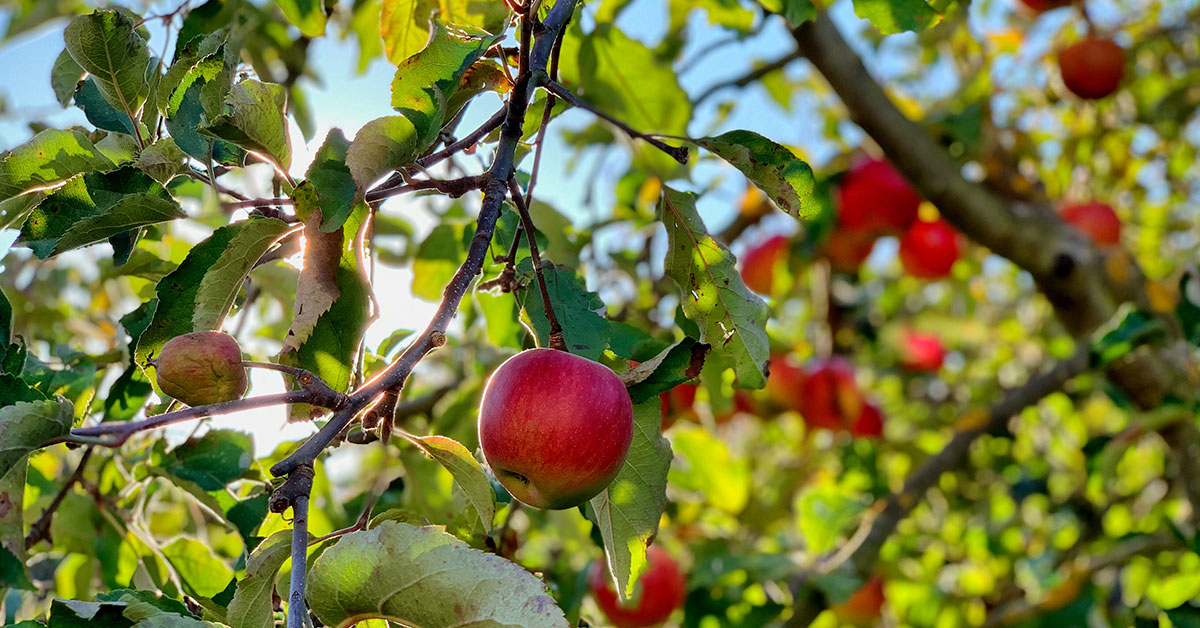

Welcome to the world of apple tree cultivation in the beautiful state of Kansas! If you’ve ever dreamt of having your own backyard orchard, filled with luscious, homegrown apples, then you’re in the right place. But before you start digging, it’s crucial to understand the optimal time for planting apple trees in this region. Kansas’s unique climate and soil conditions play a significant role in determining the success of your apple tree venture. In this article, we will delve into the best time to plant apple trees in Kansas, considering the frost dates, temperature ranges, and other essential factors that will ensure your apple trees thrive and bear fruit for years to come.
Best apple varieties to grow in Kansas
In Kansas, several apple varieties are known to grow well due to their adaptability to the region’s climate and soil conditions. Here are some apple varieties that are recommended for growing in Kansas:
- Arkansas Black: This variety is known for its excellent storage capabilities and rich, tart flavor. It is a late-season apple that requires a longer growing season, making it well-suited for Kansas.
- Jonathan: Jonathan apples are crisp, juicy, and have a slightly tart flavor. They are a mid-season apple variety that performs well in Kansas due to their tolerance for hot summers.
- Gala: Gala apples are popular for their sweet, mild flavor and crisp texture. They are an early-season apple variety that thrives in Kansas, even in areas with shorter growing seasons.
- Honeycrisp: Known for its exceptional crispness and sweet-tart flavor, Honeycrisp apples are a favorite among many. While they require a longer growing season, they can still be successfully grown in Kansas if planted in a location with good sun exposure.
- Fuji: Fuji apples are sweet, juicy, and have a firm texture. They are a late-season apple variety that can be grown in Kansas, particularly in the southern parts of the state where the growing season is longer.
- Red Delicious: Red Delicious apples are a classic favorite, known for their sweet flavor and deep red color. They are a mid-season apple variety that can be grown successfully in Kansas.
It’s important to note that while these apple varieties are recommended for Kansas, the success of growing apples also depends on factors such as proper soil preparation, adequate irrigation, pest and disease management, and suitable pollination partners. Consulting with local nurseries or agricultural extension offices can provide more specific recommendations based on your location within Kansas.
When to plant apple trees in Kansas
In Kansas, the best time to plant apple trees varies depending on the specific hardiness zone. Kansas is divided into three main hardiness zones: Zone 5, Zone 6, and Zone 7. Here’s a breakdown of the best planting times for apple trees in each zone:
- Zone 5: In Zone 5, which covers the northern parts of Kansas, the best time to plant apple trees is in early spring, typically between late March and early April. This allows the trees to establish their root systems before the hot summer months. It’s important to plant before the last frost date in your area.
- Zone 6: Zone 6 covers the central parts of Kansas. In this zone, the best time to plant apple trees is also in early spring, around late March to early April. However, you can also consider planting in late fall, around October to November, as long as the trees have enough time to establish roots before the ground freezes.
- Zone 7: Zone 7 covers the southern parts of Kansas. In this zone, the best time to plant apple trees is in late fall, typically between October and November. Planting in the fall allows the trees to establish roots during the cooler months and be ready for growth in the following spring.
Regardless of the zone, it’s important to avoid planting apple trees during the hottest summer months or when the ground is frozen. This ensures that the trees have the best chance of survival and successful establishment. Additionally, it’s always a good idea to choose apple tree varieties that are suitable for your specific hardiness zone to ensure optimal growth and fruit production.
How to grow apple trees in Kansas
Growing apple trees involves several steps and considerations. Here is a general guide to help you get started:
- Variety Selection: Choose apple tree varieties that are suitable for your climate and growing conditions. Consider factors such as chill hours, disease resistance, and desired fruit characteristics.
- Site Selection: Select a location with full sun exposure (at least 6-8 hours of direct sunlight per day) and well-drained soil. Avoid low-lying areas prone to frost pockets or areas with strong winds.
- Soil Preparation: Prepare the soil by removing weeds, rocks, and debris. Test the soil pH and make necessary amendments to achieve a slightly acidic pH level between 6.0 and 7.0. Incorporate organic matter like compost or well-rotted manure to improve soil fertility and drainage.
- Planting: Dig a hole wide and deep enough to accommodate the tree’s root system. Place the tree in the hole, ensuring that the bud union (the swollen area where the tree was grafted onto the rootstock) is above the soil line. Backfill the hole with soil, gently firming it around the roots. Water thoroughly after planting.
- Pruning: Prune the newly planted apple tree by removing any damaged or crossing branches. This helps establish a strong framework and encourages good airflow and light penetration.
- Watering: Provide regular and consistent watering, especially during the first few years of growth. Apple trees generally require about 1 inch of water per week, either from rainfall or supplemental irrigation. Avoid overwatering, as it can lead to root rot.
- Fertilizing: Apply a balanced fertilizer in early spring before new growth begins. Follow the manufacturer’s instructions for the appropriate dosage. Additionally, consider conducting a soil test to determine any specific nutrient deficiencies and adjust fertilization accordingly.
- Pest and Disease Management: Monitor your apple trees regularly for pests like aphids, codling moths, and apple maggots. Use organic or integrated pest management techniques to control infestations. Similarly, be vigilant for diseases such as apple scab, fire blight, and powdery mildew. Proper sanitation, regular pruning, and the use of disease-resistant varieties can help prevent and manage these issues.
- Thinning and Harvesting: Thin the developing fruit in early summer to ensure larger, healthier apples. Leave only one or two fruits per cluster, spacing them 4-6 inches apart. Harvest apples when they are fully ripe, as indicated by their color, firmness, and taste.
- Winter Care: Protect your apple trees during winter by mulching around the base to insulate the roots and prevent frost heaving. Consider wrapping the trunk with tree guards to protect against sunscald and rodent damage.
Remember, specific apple tree care may vary depending on your location and the variety you are growing. It’s always beneficial to consult local gardening resources or seek advice from experienced gardeners in your area.
When to harvest apples in Kansas
In Kansas, apple picking season typically begins in late August and continues through October. The exact timing can vary depending on the specific apple variety and the weather conditions during the growing season. It is best to monitor the color, size, and firmness of the apples to determine their readiness for picking. When the apples are fully colored, firm, and easily detach from the tree with a gentle twist, they are usually ready to be harvested. Additionally, taste-testing the apples can help determine their sweetness and flavor, indicating if they are ripe for picking.
Common apple tree problems and fixes
There are several common problems that apple trees may encounter during their growth. Here are a few of them along with their potential fixes:
- Pest infestations: Apple trees can be susceptible to various pests such as aphids, codling moths, apple maggots, and mites. To address these issues, you can use organic insecticides or introduce beneficial insects like ladybugs and lacewings. Regularly inspect your trees for signs of infestation and take appropriate action.
- Fungal diseases: Apple trees are prone to fungal diseases like apple scab, powdery mildew, and cedar apple rust. To prevent these diseases, ensure proper air circulation by pruning the branches and thinning out the canopy. Applying fungicides during the appropriate times can also help control fungal infections.
- Nutrient deficiencies: Apple trees require specific nutrients for healthy growth. Common deficiencies include nitrogen, phosphorus, and potassium. Conduct a soil test to determine the nutrient levels and apply appropriate fertilizers accordingly. Organic options like compost and well-rotted manure can also help improve soil fertility.
- Poor fruit set: If your apple tree is not producing an adequate number of fruits, it may be due to insufficient pollination. Ensure that there are enough pollinators like bees in your garden. You can also hand-pollinate the flowers by transferring pollen from one flower to another using a small brush.
- Watering issues: Over or under-watering can adversely affect apple trees. To avoid over-watering, ensure that the soil has proper drainage. Water deeply and infrequently, allowing the soil to dry out slightly between waterings. Mulching around the base of the tree can help retain moisture and regulate soil temperature.
- Sunburn: Excessive exposure to direct sunlight can cause sunburn on apple tree bark and fruit. Protect the trunk by wrapping it with a light-colored tree wrap or painting it with a diluted white latex paint. Providing shade to young trees during hot summer months can also prevent sunburn.
Remember, prevention is key to maintaining healthy apple trees. Regularly inspect your trees, practice good sanitation by removing fallen leaves and fruit, and maintain overall tree health through proper pruning and fertilization. If problems persist, consult with a local horticulturist or arborist for further guidance.