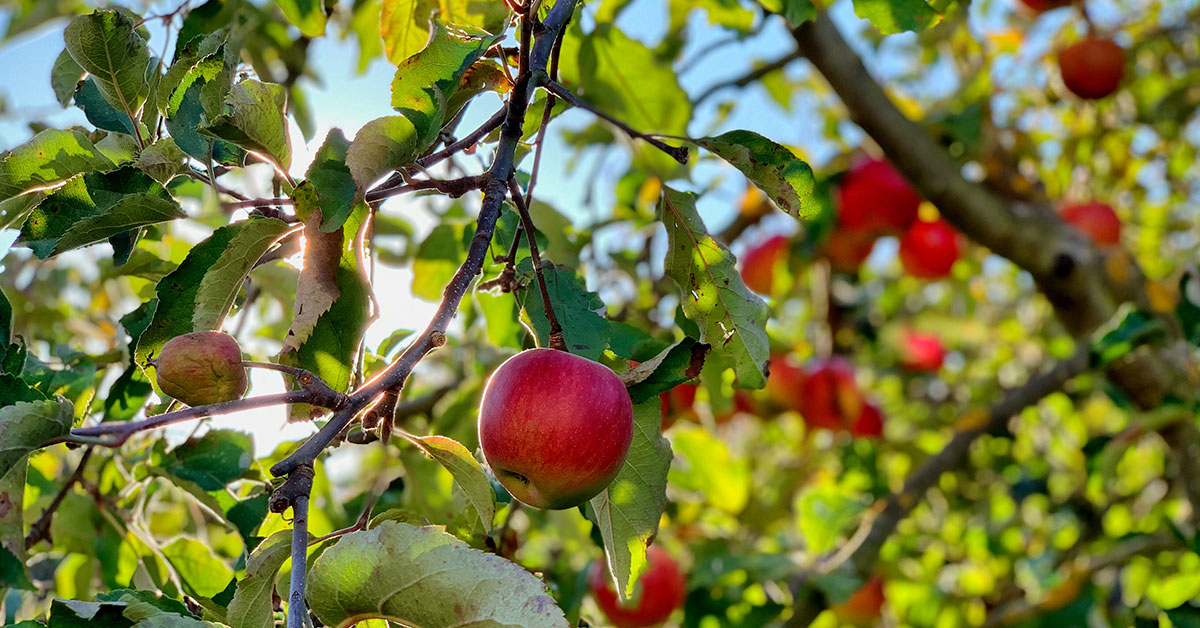

Indiana, with its diverse climate and fertile soil, provides an ideal environment for growing apple trees. Whether you are an avid gardener or a beginner looking to embark on a fruitful journey, understanding the optimal time to plant apple trees is crucial for ensuring their successful establishment and long-term growth. In this comprehensive guide, we will delve into the factors that influence the timing of planting apple trees in Indiana, including climate considerations, recommended varieties, and essential steps to maximize your chances of a bountiful harvest.
Best apple varieties to grow in Indiana
In Indiana, several apple varieties thrive due to the state’s climate and soil conditions. Here are some apple varieties that grow well in Indiana:
- Honeycrisp: Honeycrisp apples are known for their crisp texture, sweet-tart flavor, and juiciness. They are a popular choice for both eating fresh and cooking.
- Gala: Gala apples are medium-sized with a crisp texture and a sweet, mildly aromatic flavor. They are excellent for eating fresh and also work well in salads and baking.
- Fuji: Fuji apples have a firm, crunchy texture and a sweet, honey-like flavor. They are great for eating fresh and are also suitable for cooking and baking.
- Jonagold: Jonagold apples are a cross between Jonathan and Golden Delicious varieties. They have a crisp texture, a sweet-tart flavor, and are excellent for both eating fresh and cooking.
- Golden Delicious: Golden Delicious apples have a thin skin, a sweet flavor, and a crisp, juicy flesh. They are versatile and can be used for eating fresh, baking, cooking, and making applesauce.
- Granny Smith: Granny Smith apples are known for their bright green color, tart flavor, and firm texture. They are ideal for baking, cooking, and making pies, as their tartness balances well with sweet ingredients.
- Red Delicious: Red Delicious apples have a deep red color, a sweet flavor, and a slightly softer texture. While they are not as commonly grown commercially anymore, they can still be a good choice for eating fresh.
It’s important to note that apple tree varieties can have different growing requirements, so it’s essential to consider factors like pollination needs, disease resistance, and chilling requirements when selecting the best apple varieties for your specific location in Indiana.
When to plant apple trees in Indiana
In Indiana, the best time to plant apple trees varies depending on the specific hardiness zone. Indiana is divided into three main hardiness zones: Zone 5, Zone 6, and Zone 7. Here are the recommended planting times for apple trees in each zone:
- Zone 5: The best time to plant apple trees in Zone 5 is in early spring, typically between late March and early April. This allows the trees to establish their root systems before the summer heat arrives. It’s important to plant before the buds start to break dormancy.
- Zone 6: In Zone 6, the ideal time to plant apple trees is also in early spring, but the planting window is slightly wider. You can start planting in late March and continue through mid-April. Again, this timing allows the trees to take advantage of the spring rains and cooler temperatures for root establishment.
- Zone 7: For Zone 7 in Indiana, the best time to plant apple trees is in late winter or early spring, typically from late February to early March. This early planting allows the trees to establish roots before the warmer temperatures of spring and summer. However, it’s important to avoid planting during frozen or waterlogged soil conditions.
Regardless of the zone, it’s crucial to avoid planting apple trees during extreme weather conditions, such as heatwaves or freezing temperatures. Additionally, it’s recommended to choose disease-resistant apple tree varieties suitable for your specific hardiness zone to ensure successful growth and fruit production.
How to grow apple trees in Indiana
Growing apple trees requires careful planning and attention to detail. Here are the steps and considerations involved in successfully growing apple trees:
- Selecting the Right Variety: Choose apple tree varieties that are suitable for your climate, as different varieties have different temperature and chilling requirements. Consider factors such as disease resistance, pollination requirements, and desired fruit characteristics.
- Choosing a Planting Site: Apple trees require full sun exposure (at least 6-8 hours of direct sunlight per day) and well-drained soil. Avoid low-lying areas prone to frost or waterlogging. Ensure the site has good air circulation to prevent disease.
- Soil Preparation: Prepare the soil by removing weeds, rocks, and debris. Apple trees prefer slightly acidic soil with a pH range of 6.0-6.5. If necessary, amend the soil with organic matter like compost or well-rotted manure to improve drainage and fertility.
- Planting: Dig a hole that is wide and deep enough to accommodate the tree’s root system. Place the tree in the hole, ensuring the graft union (swollen area where the tree was grafted onto the rootstock) is above the soil line. Backfill the hole with soil, gently firming it around the roots. Water thoroughly after planting.
- Pruning: Prune apple trees during their dormant season (late winter or early spring) to remove dead, damaged, or crossing branches. Pruning helps maintain tree shape, improve airflow, and promote fruit production. Consult pruning guides specific to apple trees for proper techniques.
- Watering: Provide regular and deep watering to establish the tree during the first few years. Water deeply once a week, ensuring the soil is moist but not waterlogged. Mature apple trees generally require 1-2 inches of water per week during the growing season.
- Fertilization: Apply a balanced fertilizer in early spring, just before new growth begins. Use a fertilizer specifically formulated for fruit trees, following the manufacturer’s instructions. Avoid excessive nitrogen, as it can promote vegetative growth at the expense of fruit production.
- Pest and Disease Management: Monitor your apple trees regularly for pests such as aphids, codling moths, and apple maggots. Use organic or integrated pest management techniques to control pests, including beneficial insects, traps, and approved sprays. Prevent diseases like apple scab, powdery mildew, and fire blight by practicing good sanitation, proper spacing, and using disease-resistant varieties.
- Pollination: Apple trees require cross-pollination with another compatible apple variety to produce fruit. Ensure that you have at least two different apple varieties that bloom at the same time to facilitate pollination. Alternatively, you can plant a self-fertile apple variety that doesn’t require cross-pollination.
- Harvesting: Harvest apples when they are fully ripe, as indicated by their color, firmness, and flavor. Different apple varieties have different maturity times, so consult the specific variety’s harvesting guidelines. Gently twist or lift the apple to detach it from the tree.
Remember, growing apple trees requires patience as they take several years to mature and bear fruit. Regular care, including pruning, watering, and pest management, will help ensure healthy tree growth and abundant fruit production.
When to harvest apples in Indiana
In Indiana, the ideal time to pick apples depends on the variety of apple tree you have. Here are some general guidelines for common apple varieties:
- Early-season varieties: These apples are usually ready for picking in late July to early August. Examples include Lodi, Pristine, and Paula Red.
- Mid-season varieties: These apples are typically ready for picking from late August to early September. Examples include Jonathan, McIntosh, and Honeycrisp.
- Late-season varieties: These apples are usually ready for picking from September to October. Examples include Golden Delicious, Red Delicious, and Rome Beauty.
It’s important to note that these timeframes can vary slightly depending on the weather conditions and the specific location within Indiana. To determine the best time to pick apples from your tree, keep an eye on the color, size, and firmness of the fruit. Additionally, taste-testing an apple can help you determine if it has reached its desired flavor and sweetness.
Common apple tree problems and fixes
There are several common problems that apple trees can face, along with their respective fixes:
- Pest infestation: Common pests that affect apple trees include aphids, codling moths, apple maggots, and spider mites. To control these pests, you can use insecticidal soaps, neem oil, or introduce beneficial insects like ladybugs or lacewings. Regularly inspect your trees for signs of infestation and take appropriate action.
- Disease: Apple trees are susceptible to diseases such as apple scab, powdery mildew, fire blight, and cedar apple rust. To prevent these diseases, practice good sanitation by removing fallen leaves and fruit from the ground. Apply fungicides at appropriate times, following the instructions on the product label. Choosing disease-resistant apple tree varieties can also help reduce the risk.
- Lack of pollination: Apple trees require cross-pollination from another compatible apple tree to produce fruit. If you have only one apple tree, consider planting a different apple variety nearby or use a compatible crabapple tree for pollination. Alternatively, you can hand-pollinate the flowers using a small brush or cotton swab.
- Improper pruning: Incorrect pruning can lead to weak tree structure, reduced fruit production, and increased susceptibility to diseases. Learn proper pruning techniques and prune your apple trees during the dormant season to remove dead, damaged, or crossing branches. This will improve air circulation and sunlight penetration, promoting overall tree health.
- Nutrient deficiencies: Apple trees require a balanced supply of nutrients for healthy growth and fruit production. Common deficiencies include nitrogen, phosphorus, and potassium. Conduct a soil test to determine nutrient levels and apply appropriate fertilizers accordingly. Organic options like compost or well-rotted manure can also provide essential nutrients.
- Watering issues: Over or under-watering can stress apple trees. Provide regular and consistent watering, especially during dry periods. Ensure the soil is well-drained to prevent waterlogged conditions that can lead to root rot. Mulching around the base of the tree helps retain moisture and regulate soil temperature.
Remember, prevention is key to maintaining healthy apple trees. Regular monitoring, proper care, and timely intervention can help prevent many problems from occurring in the first place.