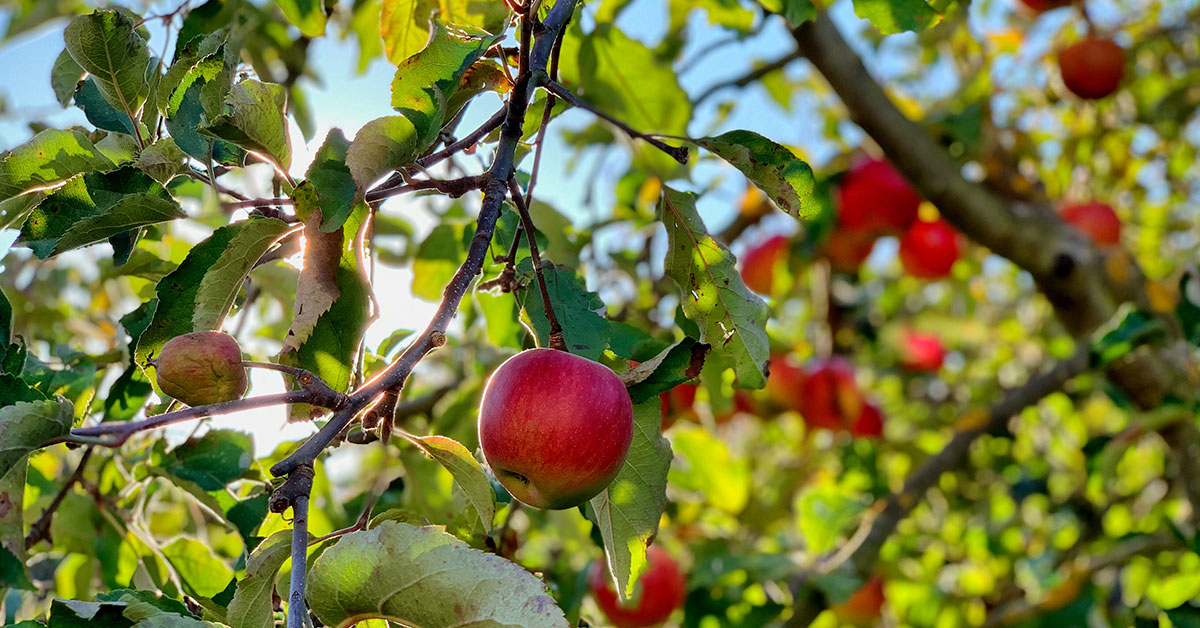

Welcome to the world of apple tree cultivation in the beautiful state of Idaho! If you’re a gardening enthusiast or simply have a penchant for fresh, homegrown apples, you’ve come to the right place. Idaho’s diverse climate and fertile soil make it an ideal location for growing apple trees. However, timing is crucial when it comes to planting these fruit-bearing beauties. In this article, we will delve into the best time to plant apple trees in Idaho, taking into consideration the unique weather patterns and regional variations that can impact their growth and success.
Whether you’re a seasoned gardener or a beginner, by the end of this article, you’ll have all the knowledge you need to embark on your apple tree-planting journey with confidence. So, let’s dig in and discover the perfect time to sow the seeds of your apple tree dreams in the Gem State!
Best apple varieties to grow in Idaho
There are several apple varieties that grow well in Idaho due to its climate and soil conditions. Here are some popular apple varieties that thrive in Idaho:
- Gala: Gala apples are a favorite among gardeners in Idaho. They have a crisp texture, sweet flavor, and are excellent for eating fresh or in salads.
- Honeycrisp: Honeycrisp apples are known for their exceptional crispness and juicy texture. They have a balanced sweet-tart flavor and are great for eating fresh or in desserts.
- Granny Smith: Granny Smith apples are tart and firm, making them ideal for baking and cooking. They are also good for eating fresh if you prefer a tart apple.
- Fuji: Fuji apples have a sweet and crisp flesh with a hint of tartness. They are excellent for eating fresh, making applesauce, or baking.
- Pink Lady: Pink Lady apples have a unique combination of sweet and tart flavors. They have a firm texture and are great for eating fresh or in salads.
- Jonagold: Jonagold apples are a cross between Jonathan and Golden Delicious varieties. They have a sweet-tart flavor and are perfect for eating fresh, baking, or making cider.
It’s important to note that while these apple varieties generally grow well in Idaho, specific growing conditions and microclimates can vary. It’s always a good idea to consult with local nurseries or agricultural extension offices for more precise recommendations based on your specific location in Idaho.
When to plant apple trees in Idaho
In Idaho, the best time to plant apple trees varies depending on the specific hardiness zone. Idaho is divided into USDA hardiness zones 4, 5, 6, and 7. Here’s a breakdown of the best planting times for each zone:
- Zone 4: The average minimum winter temperature ranges from -30 to -20°F (-34 to -29°C). In this zone, it’s best to plant apple trees in early spring, as soon as the ground thaws and becomes workable. This is typically around late March to early April.
- Zone 5: The average minimum winter temperature ranges from -20 to -10°F (-29 to -23°C). Similar to Zone 4, early spring is the ideal time for planting apple trees in Zone 5. Aim to plant in late March to early April, depending on when the soil is no longer frozen.
- Zone 6: The average minimum winter temperature ranges from -10 to 0°F (-23 to -18°C). In Zone 6, you can start planting apple trees in early spring, but the window for planting extends a bit longer. Late March to mid-April is generally a good time, but you can also plant in early May if needed.
- Zone 7: The average minimum winter temperature ranges from 0 to 10°F (-18 to -12°C). Zone 7 has a milder climate, allowing for a longer planting season. You can start planting apple trees in late winter or early spring, around February to March. However, if the soil is still frozen or too wet, it’s better to wait until early to mid-April.
Regardless of the zone, it’s important to consider the specific weather conditions each year. If there is an unusually cold or wet spring, it’s advisable to delay planting until the soil is in optimal condition. Additionally, it’s crucial to choose apple tree varieties that are suitable for your specific hardiness zone to ensure successful growth and fruit production.
How to grow apple trees in Idaho
Growing apple trees requires careful planning and attention to detail. Here are the steps and considerations to keep in mind:
- Variety Selection: Choose apple tree varieties that are suitable for your climate, soil type, and desired fruit characteristics. Consider factors like disease resistance, pollination requirements, and maturity time.
- Site Selection: Select a location with full sun exposure (at least 6-8 hours of direct sunlight per day) and well-drained soil. Avoid low-lying areas prone to frost or waterlogging.
- Soil Preparation: Apple trees prefer slightly acidic soil with a pH range of 6.0-6.5. Test your soil and amend it accordingly with organic matter, such as compost or well-rotted manure, to improve drainage and fertility.
- Planting: Dig a hole that is wide and deep enough to accommodate the tree’s roots without bending or crowding them. Place the tree in the hole, ensuring that the bud union (the swollen area where the tree was grafted onto the rootstock) is above the soil level. Backfill the hole with soil, gently firming it around the roots.
- Pruning: Prune apple trees during the dormant season (late winter or early spring) to shape the tree, remove dead or diseased wood, and improve airflow and light penetration. Pruning also helps maintain the tree’s size and encourages fruit production.
- Watering: Provide regular and consistent watering, especially during dry spells, to keep the soil moist but not waterlogged. Deep watering is preferable to shallow watering, as it encourages the tree’s roots to grow deeper.
- Fertilizing: Apply a balanced fertilizer specifically formulated for fruit trees in early spring, following the manufacturer’s instructions. Avoid excessive nitrogen, as it can promote vegetative growth at the expense of fruit production.
- Pest and Disease Management: Monitor your apple trees regularly for signs of pests, such as aphids, codling moths, or apple maggots. Use organic pest control methods, like insecticidal soaps or horticultural oils, whenever possible. Implement disease prevention measures, such as proper sanitation, regular pruning to improve airflow, and applying fungicides if necessary.
- Pollination: Apple trees require cross-pollination between different apple varieties to set fruit. Ensure that you have compatible apple tree varieties or consider planting a crabapple tree nearby, as they are excellent pollinators for apple trees.
- Harvesting: Apples are typically ready for harvest in late summer or early fall, depending on the variety. Harvest the fruit when it reaches its mature color and easily detaches from the tree with a gentle twist. Store apples in a cool, dark, and well-ventilated area to prolong their shelf life.
Remember, growing apple trees requires patience and consistent care. Regular monitoring, proper maintenance, and addressing issues promptly will help you grow healthy apple trees and enjoy a bountiful harvest.
When to harvest apples in Idaho
In Idaho, the ideal time to pick apples can vary depending on the specific apple variety you are growing. However, as a general guideline, apple harvesting typically takes place from late August to early October in Idaho. To determine the optimal time for picking, it is essential to consider the maturity period of the specific apple variety you are growing.
Different apple varieties have different maturation periods, ranging from early-season to late-season varieties. It is recommended to consult local agricultural extension services or contact your local nursery for more precise information on the specific apple varieties you are cultivating in Idaho.
Common apple tree problems and fixesIdaho
There are several common problems that apple trees may encounter during their growth. Here are a few of them and their respective fixes:
- Aphids: Use insecticidal soap or neem oil to control aphids. Encourage natural predators like ladybugs.
- Codling Moths: Apply pheromone traps and use insecticides at the appropriate times to control codling moths.
- Apple Maggots: Place sticky traps or use insecticides to control apple maggots.
- Apple Scab: Apply fungicides during the growing season and remove infected leaves and fruit to prevent apple scab.
- Fire Blight: Prune infected branches at least 12 inches below the affected area and disinfect pruning tools between cuts.
- Powdery Mildew: Apply fungicides and ensure proper air circulation around the tree to prevent powdery mildew.
- Nitrogen Deficiency: Apply a balanced fertilizer with higher nitrogen content or use organic sources like compost or manure.
- Iron Deficiency (Chlorosis): Apply iron chelate or iron sulfate to the soil around the tree to correct iron deficiency.
- Lack of Pollinators: Introduce honeybees or other pollinators to the orchard or plant compatible apple tree varieties nearby for cross-pollination.
- Overwatering: Ensure proper drainage and avoid excessive watering to prevent root rot and other water-related issues.
- Underwatering: Provide adequate water during dry periods, especially when the tree is young or during fruit development.
- Improper Pruning Cuts: Learn proper pruning techniques to avoid damaging the tree. Prune during the dormant season to minimize stress.
Remember, prevention is key to maintaining healthy apple trees. Regular monitoring, proper tree care, and early intervention can help prevent many problems from occurring in the first place.