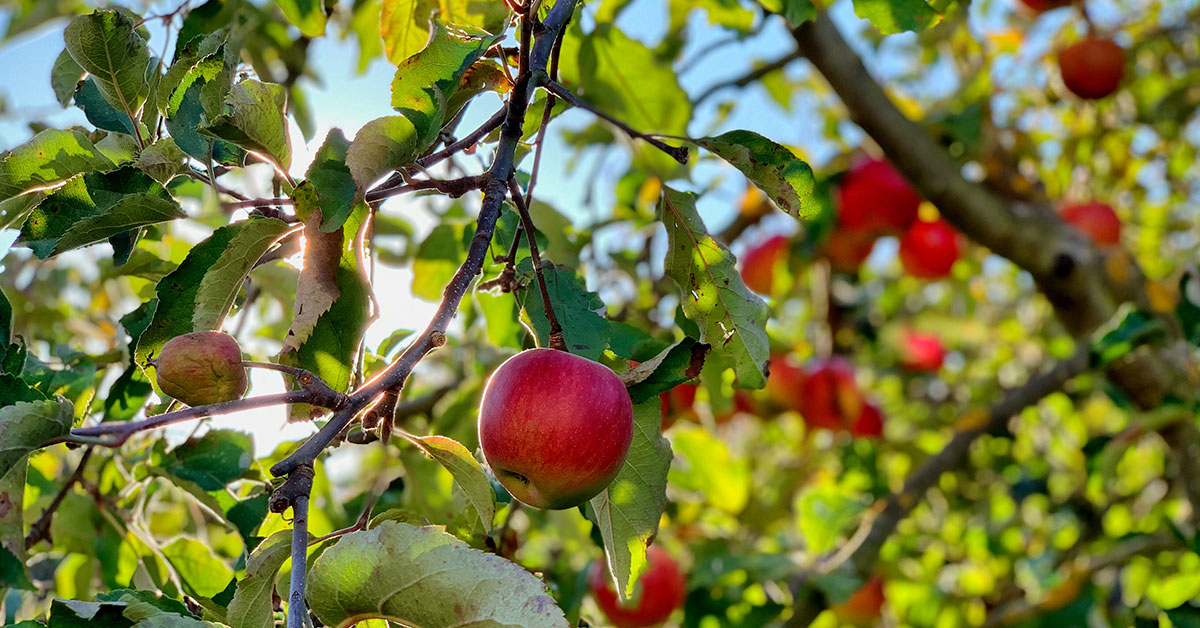

Hawaii, known for its tropical climate and stunning landscapes, may not be the first place that comes to mind when thinking about apple orchards. However, with careful planning and knowledge of the unique conditions, growing apple trees in Hawaii is not only possible but also rewarding.
Whether you’re a homeowner looking to add a touch of orchard magic to your backyard or a farmer seeking to diversify your crops, understanding the ideal timing for planting apple trees in Hawaii is crucial. In this article, we will delve into the factors that influence the planting season, discuss the best time to plant apple trees, and provide valuable insights to help you embark on a successful apple-growing journey in Hawaii’s paradise-like climate.
Best apple varieties to grow in Hawaii
In Hawaii, the climate is generally warm and tropical, which can present challenges for growing apple trees. However, there are a few apple varieties that have been found to perform relatively well in certain areas of Hawaii. Here are a few apple varieties that you can consider for growing in Hawaii:
- Anna: This variety is known for its ability to tolerate warm climates. It produces medium-sized, sweet apples that are greenish-yellow in color. Anna apples require a certain amount of chill hours to set fruit, so they may perform better in higher elevation areas of Hawaii.
- Dorsett Golden: Another apple variety that is well-suited for warm climates, Dorsett Golden produces medium-sized, sweet apples with a yellow skin. It is a self-pollinating variety, which means you can grow it alone without needing another apple tree for cross-pollination.
- Ein Shemer: This variety is known for its heat tolerance and can be a good choice for growing in Hawaii. Ein Shemer apples are medium-sized with a greenish-yellow skin and a sweet-tart flavor. It is also self-pollinating.
It’s important to note that while these apple varieties have shown some success in Hawaii, they may still require specific care and attention to thrive in the tropical climate. Additionally, the success of apple tree cultivation in Hawaii can vary depending on the specific location, elevation, and microclimate of your garden. It’s always best to consult with local gardening experts or agricultural extension offices for more specific recommendations based on your specific location in Hawaii.
When to plant apple trees in Hawaii
In Hawaii, the best time to plant apple trees can vary slightly depending on the specific hardiness zone. Hawaii has two main hardiness zones: Zone 11, which includes coastal areas with warm temperatures, and Zone 10, which includes higher elevations with slightly cooler temperatures. Here are the recommended planting times for each zone:
Zone 11 (Coastal Areas):
- Best Time to Plant: Late winter to early spring (February to April)
- Rationale: In Zone 11, the temperatures remain relatively warm throughout the year. Planting in late winter to early spring allows the apple trees to establish their root systems before the hotter summer months. This timing also ensures that the trees have enough time to acclimate and grow before the cooler winter months.
Zone 10 (Higher Elevations):
- Best Time to Plant: Late winter to early spring (February to April)
- Rationale: Although Zone 10 experiences slightly cooler temperatures compared to Zone 11, the recommended planting time remains the same. By planting in late winter to early spring, the apple trees have a chance to establish themselves before the warmer months. This timing allows them to take advantage of the optimal growing conditions during the spring and summer.
Regardless of the hardiness zone, it is important to consider the specific microclimate of your location within Hawaii. Factors such as elevation, proximity to the coast, and local weather patterns can influence the ideal planting time. It is always beneficial to consult with local horticultural experts or agricultural extension offices for more precise recommendations based on your specific location.
How to grow apple trees in Hawaii
Growing apple trees involves several steps and considerations. Here is a general guide to help you get started:
- Choosing the Right Variety: Select apple tree varieties that are suitable for your climate, as different varieties have different temperature and chilling requirements. Consider factors such as disease resistance, pollination requirements, and desired fruit characteristics.
- Site Selection: Apple trees require a sunny location with well-draining soil. Avoid areas prone to frost pockets or strong winds. Ensure there is enough space for the tree to grow and spread its branches.
- Soil Preparation: Prepare the soil by removing weeds, rocks, and debris. Test the soil pH and amend it if necessary. Apple trees prefer slightly acidic soil with a pH between 6.0 and 7.0.
- Planting: Dig a hole that is wide and deep enough to accommodate the tree’s roots. Place the tree in the hole, making sure the bud union (the swollen area where the tree was grafted onto the rootstock) is above the soil line. Backfill the hole with soil, gently firming it around the roots.
- Watering: Water the newly planted tree thoroughly and regularly, especially during the first year. Provide enough water to keep the soil moist but not waterlogged. Deep watering encourages the roots to grow deeper into the soil.
- Fertilization: Apply a balanced fertilizer in early spring before new growth begins. Follow the manufacturer’s instructions for the appropriate amount and method of application. Avoid over-fertilizing, as it can lead to excessive vegetative growth at the expense of fruit production.
- Pruning: Prune apple trees annually during the dormant season (late winter or early spring) to remove dead, damaged, or crossing branches. Pruning helps maintain tree shape, improve airflow, and promote fruit production. Consult pruning guides specific to apple trees for detailed instructions.
- Pest and Disease Management: Monitor your apple trees regularly for pests such as aphids, codling moths, and apple maggots. Implement integrated pest management strategies, including cultural practices, biological controls, and, if necessary, targeted pesticide applications. Similarly, be vigilant for diseases like apple scab, powdery mildew, and fire blight. Use disease-resistant varieties, practice good sanitation, and consider appropriate fungicide treatments.
- Pollination: Apple trees require cross-pollination from another compatible apple variety to produce fruit. Ensure you have at least one other apple tree nearby or consider planting a self-fertile variety. Be mindful of pollination timing and compatibility between varieties.
- Harvesting: Apples are typically ready for harvest in late summer or early fall, depending on the variety. Harvest when the fruit color is fully developed, and the fruit easily separates from the tree with a gentle twist. Store apples in a cool, dark place with proper ventilation to extend their shelf life.
Remember, this is a general guide, and specific practices may vary depending on your location and apple tree variety. Consult local gardening resources or seek advice from experienced gardeners in your area for more personalized recommendations.
When to harvest apples in Hawaii
In Hawaii, the ideal time to pick apples depends on the specific apple variety you are growing. Generally, apple trees in Hawaii tend to produce fruit between late summer and early winter. However, the exact harvest time can vary based on factors such as the apple variety, microclimate, and growing conditions.
To determine the best time to pick apples, it is crucial to consider the fruit’s maturity indicators. These indicators include changes in color, firmness, and taste. Most apple varieties will develop their characteristic color when they are ripe and ready for harvest. Additionally, apples should be firm to the touch but not overly hard or soft. Lastly, taste-testing the apples can help determine if they have reached the desired level of sweetness and flavor.
It is recommended to consult with local agricultural extension services, fellow gardeners, or nurseries specializing in apple trees in Hawaii to get specific information about the apple varieties you are growing and their optimal harvest times.
Common apple tree problems and fixesHawaii
There are several common problems that apple trees can face, along with their respective fixes:
- Pest infestation: Common pests that affect apple trees include aphids, codling moths, apple maggots, and mites. To control these pests, you can use insecticidal soaps, horticultural oils, or organic insecticides. Additionally, maintaining good tree hygiene by removing fallen fruit and pruning infected branches can help prevent infestations.
- Disease: Apple trees are susceptible to diseases such as apple scab, powdery mildew, fire blight, and cedar apple rust. Fungicides specifically formulated for apple trees can help control these diseases. Proper pruning to improve air circulation and reduce humidity around the tree can also prevent disease outbreaks.
- Poor fruit set: If your apple tree is not producing an adequate number of fruits, it may be due to inadequate pollination. To address this, consider planting compatible apple tree varieties nearby to ensure cross-pollination. Alternatively, you can manually pollinate the flowers using a soft brush or by transferring pollen from one flower to another.
- Nutrient deficiencies: Apple trees require essential nutrients like nitrogen, phosphorus, and potassium for healthy growth and fruit production. If you notice yellowing leaves, stunted growth, or poor fruit quality, it may indicate a nutrient deficiency. Conduct a soil test to identify the specific nutrient lacking and apply the appropriate fertilizer accordingly.
- Watering issues: Over or under-watering can lead to problems for apple trees. Ensure that the tree receives adequate water, especially during dry periods. However, avoid over-watering, as it can cause root rot and other diseases. Mulching around the base of the tree can help retain moisture and regulate soil temperature.
- Sunburn: Excessive exposure to sunlight can cause sunburn on apple tree bark and fruit. To prevent this, consider applying a reflective white paint or wrapping the trunk with a tree wrap to protect it from intense sunlight. Providing shade to young trees during hot summer months can also help prevent sunburn.
Remember, prevention is key to maintaining healthy apple trees. Regularly inspecting your trees, practicing good hygiene, and providing proper care can go a long way in preventing and addressing common problems.