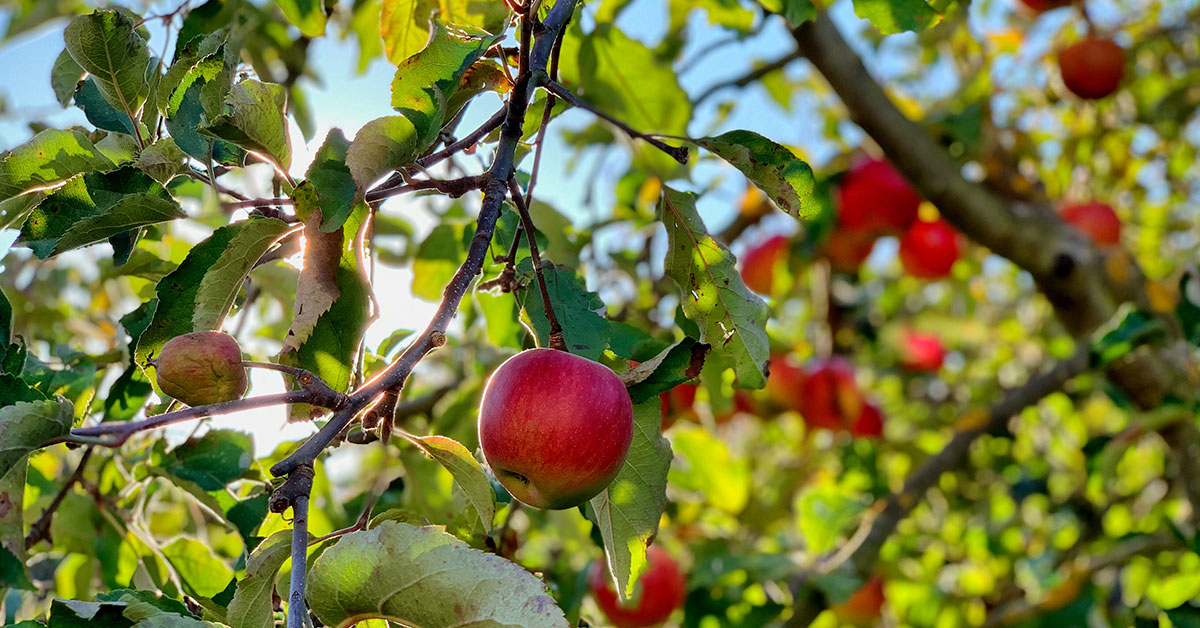

Welcome to the world of apple tree cultivation in Delaware! If you’re a gardening enthusiast or an aspiring orchard owner, you’ve come to the right place. Delaware’s moderate climate and fertile soil make it an ideal location for growing apple trees. However, timing is crucial when it comes to planting these fruit-bearing beauties. In this article, we will delve into the best time to plant apple trees in Delaware, considering factors such as weather conditions, soil preparation, and the specific apple tree varieties that thrive in this region.
Whether you’re planning to establish a small backyard orchard or simply want to add a few apple trees to your garden, understanding the optimal planting time will set you on the path to success. So, let’s dive in and discover the perfect time to embark on your apple tree planting journey in Delaware.
Best apple varieties to grow in Delaware
In Delaware, several apple varieties thrive due to the region’s climate and soil conditions. Some of the best apple varieties to grow in Delaware include:
- ‘Golden Delicious’: This variety is known for its sweet, crisp, and juicy flavor. It is a versatile apple that is excellent for eating fresh, baking, and making applesauce.
- ‘Red Delicious’: These apples are known for their bright red color, sweet flavor, and firm texture. They are great for eating fresh and adding to salads.
- ‘Fuji’: Fuji apples are crisp, sweet, and have a slightly tart flavor. They are excellent for eating fresh and also hold up well in baking.
- ‘Granny Smith’: These apples are known for their bright green color, tart flavor, and firm texture. They are great for baking, making pies, and adding a tangy flavor to salads.
- ‘Honeycrisp’: Honeycrisp apples are known for their exceptional crispness, sweet-tart flavor, and juiciness. They are excellent for eating fresh and are also suitable for baking.
- ‘Cortland’: Cortland apples are slightly tart and have a crisp texture. They are great for eating fresh, making applesauce, and adding to salads as they do not brown quickly when cut.
It’s important to note that apple trees require proper care, including regular pruning, pest control, and adequate sunlight and water. Additionally, it’s always a good idea to consult with local nurseries or agricultural extension services for specific apple varieties that are well-suited to your exact location in Delaware.
When to plant apple trees in Delaware
In Delaware, the best time to plant apple trees varies slightly depending on the specific hardiness zone. Delaware is divided into three hardiness zones: Zone 7a, Zone 7b, and Zone 8a. Here are the recommended planting times for each zone:
- Zone 7a (Northern Delaware): The best time to plant apple trees in Zone 7a is in early spring, typically between late March and early April. This allows the trees to establish their root systems before the summer heat arrives. Avoid planting too early when the ground is still frozen or too late when the trees may struggle with the summer heat.
- Zone 7b (Central Delaware): In Zone 7b, the ideal time to plant apple trees is also in early spring, around late March to early April. The planting window is similar to Zone 7a due to the similar climate conditions. Again, avoid planting too early or too late in the season.
- Zone 8a (Southern Delaware): In Zone 8a, the best time to plant apple trees is slightly different. Here, it is recommended to plant apple trees in late winter or early spring, between late February and early March. The milder climate in Zone 8a allows for an earlier planting time, taking advantage of the cooler temperatures and moist soil conditions.
Regardless of the specific hardiness zone, it is important to avoid planting apple trees during extreme weather conditions, such as during freezing temperatures or during the hottest part of summer. It is also crucial to ensure that the soil is well-drained and prepared properly before planting to give the apple trees the best chance of success.
How to grow apple trees in Delaware
Growing apple trees requires careful planning and attention to detail. Here are the steps and considerations to keep in mind:
- Site Selection: Choose a location that receives at least six hours of direct sunlight daily. Ensure the soil is well-drained, fertile, and has a pH level between 6.0 and 7.0.
- Apple Variety Selection: Select apple tree varieties that are suitable for your climate and have good disease resistance. Consider factors such as taste, size, and pollination requirements.
- Planting: Dig a hole that is wide and deep enough to accommodate the tree’s roots. Place the tree in the hole, ensuring the bud union (graft) is above the soil line. Backfill the hole with soil, gently firming it around the roots.
- Pruning: Prune apple trees during the dormant season to shape the tree, remove dead or diseased branches, and improve airflow. Pruning helps maintain tree health and encourages fruit production.
- Watering: Provide regular and consistent watering, especially during dry periods. Deep watering is essential to encourage deep root growth. Avoid overwatering, as it can lead to root rot.
- Fertilization: Apply a balanced fertilizer in early spring before new growth begins. Follow the recommended application rates based on the tree’s age and size. Avoid excessive nitrogen, as it can promote vegetative growth at the expense of fruit production.
- Pest and Disease Management: Monitor your apple trees regularly for pests such as aphids, codling moths, and apple maggots. Use organic or chemical controls as necessary. Implement disease prevention measures, including regular pruning, proper spacing, and applying fungicides if needed.
- Thinning: Thin the fruit during the early stages of development to promote larger, healthier apples. Remove excess fruit to ensure proper spacing and prevent branches from breaking under the weight of heavy crops.
- Harvesting: Harvest apples when they are fully ripe. Different apple varieties have varying ripening times, so monitor the fruit’s color, firmness, and taste to determine readiness. Gently twist or lift the apple to detach it from the tree.
- Winter Protection: Protect young apple trees from winter damage by wrapping the trunk with tree guards or using mulch to insulate the roots. Prune any damaged or crossing branches before winter to prevent breakage.
Remember, growing apple trees requires patience and ongoing care. Regular monitoring, proper maintenance, and timely interventions will help ensure healthy trees and a bountiful harvest.
When to harvest apples in Delaware
In Delaware, the ideal time to pick apples typically falls between late August and early November, depending on the specific apple variety. Different apple varieties have different ripening periods, so it is essential to know the specific variety you are growing. Here are some common apple varieties and their approximate harvest times in Delaware:
- Early-season varieties like Lodi and Paula Red are usually ready for picking in late August to early September.
- Mid-season varieties such as Jonathan, McIntosh, and Cortland are typically harvested in September.
- Late-season varieties like Golden Delicious, Rome, and Fuji are usually ready for picking in October.
- Some apple varieties, like Stayman and Winesap, can be harvested as late as November.
To determine the exact harvest time for your apple trees, it is best to consult local agricultural extension services or experienced apple growers in your area. They will have the most accurate information based on your specific location and climate conditions. Additionally, keep an eye on the color, size, and taste of the apples, as these are good indicators of ripeness.
Common apple tree problems and fixes
There are several common problems that apple trees may encounter during their growth. Here are a few of them along with their potential fixes:
- Pest infestation: Apple trees can be susceptible to various pests such as aphids, codling moths, apple maggots, and mites. To address this issue, you can use insecticidal soaps or horticultural oils to control pests. Additionally, attracting beneficial insects like ladybugs and lacewings can help keep pest populations in check.
- Disease: Apple trees can suffer from diseases like apple scab, powdery mildew, fire blight, and cedar apple rust. Proper sanitation practices, such as removing fallen leaves and pruning infected branches, can help prevent the spread of diseases. Fungicides may also be necessary in severe cases, but it’s important to choose an appropriate product and follow the instructions carefully.
- Poor fruit set: If your apple tree is not producing an adequate number of fruits, it may be due to inadequate pollination. To improve fruit set, consider planting compatible apple tree varieties nearby to ensure cross-pollination. You can also attract pollinators, such as bees, by planting flowers or installing bee houses in your garden.
- Nutrient deficiencies: Apple trees require essential nutrients like nitrogen, phosphorus, and potassium for healthy growth and fruit production. If you notice signs of nutrient deficiencies, such as yellowing leaves or stunted growth, you can apply a balanced fertilizer specifically formulated for fruit trees. Conduct a soil test to determine the specific nutrient requirements and adjust accordingly.
- Watering issues: Over or under-watering can negatively impact apple trees. Ensure that your tree receives adequate water, especially during dry periods, but avoid overwatering, which can lead to root rot. Mulching around the base of the tree can help retain moisture and regulate soil temperature.
- Sunlight requirements: Apple trees require full sun exposure for optimal growth and fruit production. If your tree is not receiving enough sunlight due to shading from nearby structures or trees, consider pruning or relocating it to a sunnier spot.
Remember, proper care, regular monitoring, and timely intervention are key to maintaining healthy apple trees.