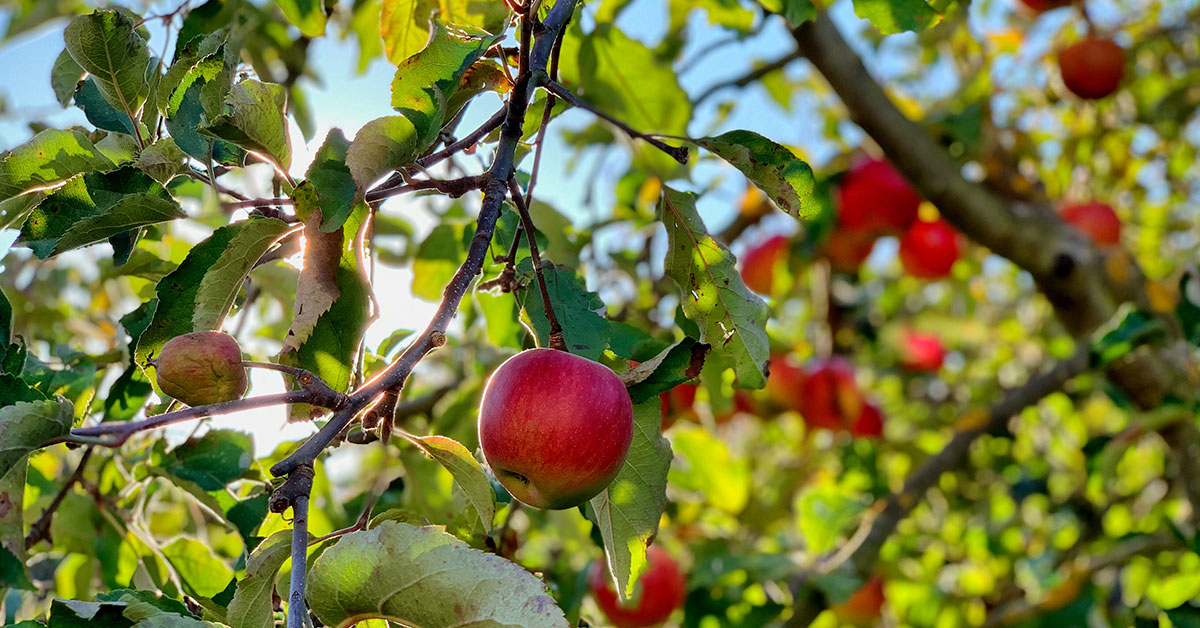

Colorado, with its diverse climate and breathtaking landscapes, is a haven for apple enthusiasts and aspiring orchardists alike. However, successfully growing apple trees in this region requires careful consideration of the unique environmental conditions and the optimal timing for planting. In this comprehensive guide, we will delve into the factors that influence the ideal time to plant apple trees in Colorado, including the state’s varying climates, frost dates, and the specific apple varieties that thrive in this region.
Whether you are a seasoned gardener or a novice looking to embark on an apple-growing adventure, this article will equip you with the knowledge to ensure your apple trees flourish and bear bountiful fruits in the remarkable Colorado soil.
Best apple varieties to grow in Colorado
In Colorado, several apple varieties thrive due to the state’s unique climate and growing conditions. Here are some apple varieties that are known to grow well in Colorado:
- Honeycrisp: Honeycrisp apples are popular for their crisp texture and sweet-tart flavor. They are well-suited to Colorado’s cooler climate and can handle the state’s temperature fluctuations.
- Gala: Gala apples are known for their mild, sweet flavor and crispness. They are an early-season apple variety and can adapt well to Colorado’s growing conditions.
- Fuji: Fuji apples are sweet and firm, making them a favorite for both eating fresh and baking. They are a late-season apple variety that can handle Colorado’s colder temperatures.
- Jonathan: Jonathan apples have a tangy-sweet flavor and are excellent for both eating and cooking. They are an early to mid-season apple variety that grows well in Colorado.
- Granny Smith: Granny Smith apples are known for their tartness and firm texture. They are a late-season apple variety that can tolerate Colorado’s cooler temperatures.
- Red Delicious: Red Delicious apples are a classic favorite with a mildly sweet flavor. They are a mid to late-season apple variety that can grow well in Colorado.
It’s important to note that Colorado’s diverse microclimates may affect apple tree growth differently across the state. It’s always recommended to consult with local nurseries or extension services to determine the best apple varieties for your specific location within Colorado.
When to plant apple trees in Colorado
In Colorado, the best time to plant apple trees varies depending on the specific hardiness zone. Colorado is divided into four main hardiness zones: Zone 3, Zone 4, Zone 5, and Zone 6. Here are the recommended planting times for each zone:
- Zone 3: This zone experiences extremely cold winters, with average minimum temperatures dropping to -40°F (-40°C). It is best to plant apple trees in late spring or early summer when the soil has warmed up. Aim for planting between late May and early June when the risk of frost has passed.
- Zone 4: This zone has cold winters, with average minimum temperatures ranging from -30°F (-34°C) to -20°F (-29°C). The recommended time to plant apple trees is in early spring, as soon as the ground thaws and becomes workable. This is typically between late March and early April.
- Zone 5: This zone experiences moderately cold winters, with average minimum temperatures ranging from -20°F (-29°C) to -10°F (-23°C). The ideal time to plant apple trees in Zone 5 is also in early spring, around late March to early April, when the soil is no longer frozen.
- Zone 6: This zone has milder winters, with average minimum temperatures ranging from -10°F (-23°C) to 0°F (-18°C). Apple trees can be planted in either early spring or late fall in Zone 6. If planting in spring, aim for late March to early April. If planting in fall, do so six to eight weeks before the first expected frost, typically in September or early October.
Regardless of the zone, it is crucial to avoid planting apple trees during the hottest part of summer or during the dormant winter period. Planting during the recommended times will give the trees the best chance to establish their roots before facing extreme weather conditions. Additionally, ensure that the selected apple tree varieties are suitable for the specific hardiness zone to maximize their chances of thriving in Colorado’s climate.
How to grow apple trees in Colorado
Growing apple trees requires careful planning and attention to detail. Here are the steps and considerations to keep in mind:
- Site Selection: Choose a location that receives full sun for at least 6-8 hours a day. Ensure the soil is well-draining and rich in organic matter. Avoid low-lying areas prone to frost or waterlogging.
- Apple Tree Selection: Select apple tree varieties that are suitable for your climate and region. Consider factors such as disease resistance, pollination requirements, and desired fruit characteristics. Purchase healthy, certified nursery stock from a reputable source.
- Planting: Dig a hole wide and deep enough to accommodate the tree’s root system. Place the tree in the hole, ensuring the bud union (the swollen area where the tree was grafted onto the rootstock) is above the soil line. Backfill the hole with soil, gently firming it around the roots. Water thoroughly after planting.
- Pruning: Prune apple trees during their dormant season (late winter or early spring) to shape the tree, remove dead or diseased wood, and improve airflow. Pruning also helps maintain a manageable size for easier fruit harvesting.
- Fertilization: Apply a balanced fertilizer in early spring before new growth begins. Follow the manufacturer’s instructions for application rates. Avoid excessive nitrogen fertilization, as it can promote vegetative growth at the expense of fruit production.
- Watering: Provide regular and consistent watering, especially during dry periods. Apple trees require about 1-1.5 inches of water per week. Water deeply to encourage deep root growth, but avoid waterlogging the soil.
- Pest and Disease Management: Monitor apple trees regularly for pests such as aphids, codling moths, and apple maggots. Use organic or integrated pest management techniques to control pests. Apply appropriate fungicides to prevent diseases like apple scab, powdery mildew, and fire blight.
- Pollination: Most apple tree varieties require cross-pollination with another compatible apple tree for fruit set. Ensure you have at least two apple trees of different varieties that bloom at the same time for effective pollination. Alternatively, you can plant a self-fertile apple tree variety.
- Thinning: Once the apple tree sets fruit, thinning is necessary to achieve larger, healthier apples. Remove excess fruit when they are about the size of a marble, leaving only one or two fruits per cluster.
- Harvesting: Harvest apples when they are fully ripe, as indicated by their color, firmness, and taste. Different apple varieties have varying ripening times, so monitor them closely. Twist or gently lift the apple to detach it from the tree.
Remember, growing apple trees requires patience and consistent care. Regular monitoring, proper pruning, and timely pest and disease management will help ensure a successful harvest.
When to harvest apples in Colorado
In Colorado, the ideal time to pick apples generally falls between late August and early October. The exact timing can vary depending on the apple variety you are growing and the specific microclimate of your location within the state. It is crucial to consider the average number of growing days required for the specific apple variety you are cultivating. Additionally, monitoring the color, firmness, and taste of the apples can help determine when they are ready for harvest. Keep in mind that weather conditions, such as early frosts, can also impact the harvest time.
Common apple tree problems and fixes
There are several common problems that apple trees may encounter during their growth. Here are a few of them along with their potential fixes:
- Pest infestations: Apple trees can be susceptible to various pests such as aphids, codling moths, apple maggots, and mites. To address this issue, you can use organic insecticides or introduce beneficial insects like ladybugs or lacewings to control the pest population. Regularly inspecting the trees and removing any affected fruit or leaves can also help prevent infestations.
- Fungal diseases: Apple trees can be affected by fungal diseases like apple scab, powdery mildew, and cedar apple rust. To combat these diseases, ensure proper air circulation by pruning the tree to improve sunlight penetration and reduce humidity. Applying fungicides at appropriate times can also help prevent or control fungal infections. Additionally, removing fallen leaves and fruit from the ground can minimize the spread of fungal spores.
- Nutrient deficiencies: Apple trees require a balanced supply of nutrients for healthy growth. Common deficiencies include nitrogen, phosphorus, and potassium. Conduct a soil test to determine the nutrient levels and apply appropriate fertilizers accordingly. Organic options like compost or well-rotted manure can also help improve soil fertility.
- Watering issues: Overwatering or underwatering can negatively impact apple trees. It is crucial to provide consistent and adequate moisture to the trees, especially during dry periods. Ensure proper drainage to prevent waterlogged soil, which can lead to root rot. Mulching around the base of the tree can help retain soil moisture and regulate temperature.
- Sunburn: Excessive exposure to sunlight can cause sunburn on apple tree bark, especially in young or newly planted trees. To prevent sunburn, apply a light-colored tree wrap or paint the trunk with diluted white latex paint to reflect sunlight. Providing shade during the hottest parts of the day can also help protect the tree.
Remember that prevention is often the best approach to maintaining healthy apple trees. Regular monitoring, proper pruning, and good cultural practices, such as maintaining clean orchard floors, can go a long way in preventing many common problems.