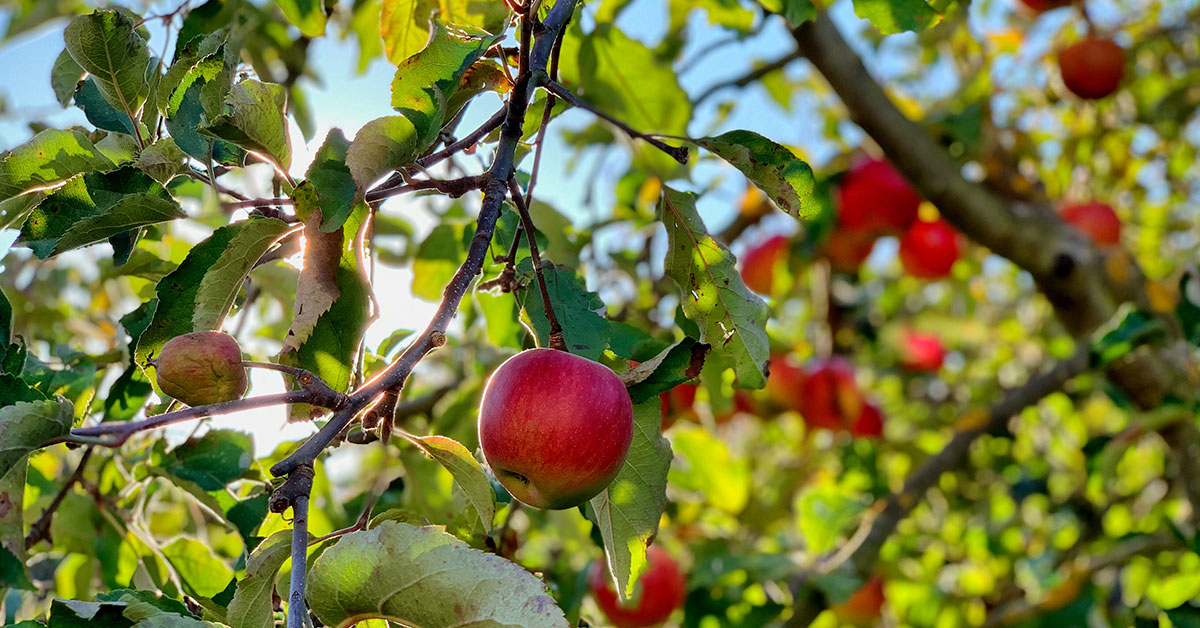

Welcome to the world of growing your very own apple trees in Arizona! If you’ve ever dreamt of harvesting your own crisp and juicy apples, then you’ve come to the right place. Arizona’s unique climate presents both challenges and opportunities for apple tree growers. With scorching summers and mild winters, it’s crucial to understand the optimal time to plant apple trees in this region.
In this article, we will delve into the intricacies of Arizona’s climate, explore the different apple tree varieties suitable for this environment, and provide you with expert advice on when to plant your apple trees to ensure a bountiful harvest. So, grab your gardening gloves and let’s embark on this fruitful journey together!
Best apple varieties to grow in Arizona
In Arizona, the climate can be challenging for growing apple trees due to the high temperatures and low humidity. However, there are a few apple varieties that have shown better adaptability to the Arizona climate. Here are some apple varieties that tend to perform relatively well:
- Anna: This variety is known for its heat tolerance and can withstand Arizona’s hot summers. It produces medium-sized, sweet apples with a crisp texture. Anna apples require cross-pollination with another apple variety for optimal fruit production.
- Dorsett Golden: Another heat-tolerant apple variety, Dorsett Golden, is well-suited for Arizona’s climate. It produces medium-sized, yellow apples with a sweet and tangy flavor. Like Anna, Dorsett Golden requires cross-pollination.
- Ein Shemer: This Israeli variety is known for its heat resistance and can thrive in hot climates like Arizona. It produces medium to large-sized apples with a sweet and slightly tart flavor. Ein Shemer is a self-fertile variety, meaning it doesn’t require cross-pollination.
- Desert Gold: As the name suggests, Desert Gold is specifically bred for arid climates like Arizona. It is a cross between Anna and Golden Delicious and exhibits good heat tolerance. Desert Gold apples are medium-sized with a sweet and crisp taste.
It’s important to note that while these varieties have shown better adaptability to Arizona’s climate, apple trees may still require additional care, such as providing shade during extreme heat, regular watering, and proper soil preparation. Consulting with local nurseries or agricultural extension services can provide more specific guidance based on your exact location within Arizona.
When to plant apple trees in Arizona
In Arizona, the best time to plant apple trees varies depending on the specific hardiness zone. Arizona has several hardiness zones, including zones 5, 6, 7, 8, and 9. Here are the recommended planting times for each zone:
- Zone 5: The best time to plant apple trees in Zone 5, which includes higher elevations in northern Arizona, is in early spring, typically between March and April. This allows the trees to establish their root systems before the heat of summer.
- Zone 6: In Zone 6, which includes areas like Flagstaff and the Mogollon Rim, the best time to plant apple trees is also in early spring, around March or April. It is important to avoid planting too early, as late frosts can damage young apple trees.
- Zone 7: For Zone 7, which covers areas like Prescott and Payson, the best time to plant apple trees is in early spring, similar to Zones 5 and 6. March or April is generally a suitable time, allowing the trees to establish roots before the summer heat arrives.
- Zone 8: In Zone 8, which includes areas like Phoenix and Tucson, the best time to plant apple trees is in late winter or early spring. This means planting in January or February, before the temperatures start to rise. Planting earlier allows the trees to establish roots before the hot summer months.
- Zone 9: Zone 9, which includes the low desert areas of Arizona, such as Yuma and Lake Havasu City, has a slightly different planting schedule. The best time to plant apple trees in Zone 9 is in late winter, around February or early March. This allows the trees to establish roots before the intense summer heat.
Regardless of the specific hardiness zone, it is crucial to provide newly planted apple trees with adequate water and protection from extreme temperatures during their first year. Mulching around the base of the tree can help retain moisture and regulate soil temperature. Regular watering and proper care will ensure the successful establishment and growth of apple trees in Arizona.
How to grow apple trees in Arizona
Growing apple trees requires careful planning and attention to detail. Here are the steps and considerations to keep in mind:
- Variety Selection: Choose apple tree varieties that are suitable for your climate, soil type, and desired purpose (eating, cooking, cider, etc.). Consider disease resistance, pollination requirements, and harvest time.
- Site Selection: Select a location with full sun exposure (at least 6-8 hours of direct sunlight per day) and well-drained soil. Avoid low-lying areas prone to frost pockets or waterlogging.
- Soil Preparation: Prepare the soil by removing weeds, rocks, and debris. Test the soil pH and make necessary amendments to achieve a slightly acidic pH level of 6.0-6.5. Incorporate organic matter like compost or well-rotted manure to improve soil fertility and drainage.
- Planting: Dig a hole wide and deep enough to accommodate the tree’s root system. Place the tree in the hole, ensuring that the graft union (the swollen area where the scion is attached to the rootstock) is above the soil line. Backfill the hole with soil, gently firming it around the roots. Water thoroughly after planting.
- Pruning: Prune apple trees during the dormant season (late winter or early spring) to shape the tree, remove dead or diseased wood, improve airflow, and promote fruit production. Prune to an open center or modified central leader shape, depending on the desired tree form.
- Fertilization: Apply a balanced fertilizer in early spring before new growth begins. Follow the manufacturer’s instructions for application rates. Avoid excessive nitrogen, as it can lead to excessive vegetative growth at the expense of fruit production.
- Watering: Provide regular and deep watering during dry periods, especially in the first few years after planting. Aim to keep the soil consistently moist but not waterlogged. Mulching around the base of the tree can help retain moisture and suppress weeds.
- Pest and Disease Management: Monitor apple trees regularly for pests such as aphids, codling moths, apple maggots, and diseases like apple scab, powdery mildew, and fire blight. Use integrated pest management techniques, including cultural practices, biological controls, and, if necessary, targeted pesticide applications.
- Pollination: Most apple varieties require cross-pollination with another compatible variety for optimal fruit set. Ensure that you have at least two apple trees of different varieties that bloom at the same time for effective pollination. Alternatively, you can use a compatible pollinator tree or graft multiple varieties onto a single tree.
- Harvesting: Harvest apples when they are fully ripe and have reached their desired size, color, and flavor. Different apple varieties have different harvest times, so monitor the fruit regularly. Twist or gently lift the apple to detach it from the tree, being careful not to damage the spur or branch.
Remember, growing apple trees is a long-term commitment, and it may take several years before you can enjoy a bountiful harvest. Patience, proper care, and attention to detail will reward you with healthy and productive apple trees.
When to harvest apples in Arizona
In Arizona, apple trees typically produce fruit in late summer or early fall, depending on the specific variety. The exact timing can vary depending on the elevation and microclimate of your specific location within the state. As a general guideline, you can expect to start picking apples in Arizona from late July to early September. It is recommended to monitor the color and firmness of the fruit to determine the optimal time for harvesting. Additionally, consult with local nurseries or agricultural extension offices for more specific information regarding apple varieties that are well-suited for your area.
Common apple tree problems and fixes
Common problems when growing apple trees include:
- Pest infestation: Apple trees can be affected by pests such as aphids, codling moths, apple maggots, and mites. To control pests, you can use insecticidal soaps, neem oil, or introduce beneficial insects like ladybugs or lacewings. Regularly inspect your trees for signs of infestation and take appropriate action.
- Disease: Apple trees are susceptible to diseases like apple scab, powdery mildew, fire blight, and cedar apple rust. To prevent diseases, choose disease-resistant apple tree varieties, practice good sanitation by removing fallen leaves and fruit, and apply appropriate fungicides when necessary.
- Poor fruit set: If your apple tree is not producing enough fruit or the fruit is dropping prematurely, it may be due to inadequate pollination. Ensure there are compatible apple tree varieties nearby for cross-pollination. You can also hand-pollinate by transferring pollen from one flower to another using a small brush.
- Nutrient deficiencies: Apple trees require proper nutrition to thrive. Common nutrient deficiencies include nitrogen, phosphorus, and potassium. Conduct a soil test to determine the nutrient levels and apply fertilizers accordingly. Organic options like compost, well-rotted manure, or balanced organic fertilizers can help improve soil fertility.
- Watering issues: Over or under-watering can cause problems for apple trees. Ensure the soil is well-drained and water deeply but infrequently, allowing the soil to dry out slightly between waterings. Mulching around the base of the tree can help retain moisture and regulate soil temperature.
- Pruning mistakes: Incorrect pruning can harm apple trees. Prune during the dormant season to remove dead, damaged, or crossing branches. Maintain an open center or modified central leader shape to allow sunlight and airflow. Avoid heavy pruning during the growing season as it can reduce fruit production.
Remember, specific problems and fixes may vary depending on your location, climate, and apple tree variety. Regular observation, proper care, and timely action are key to maintaining healthy apple trees.